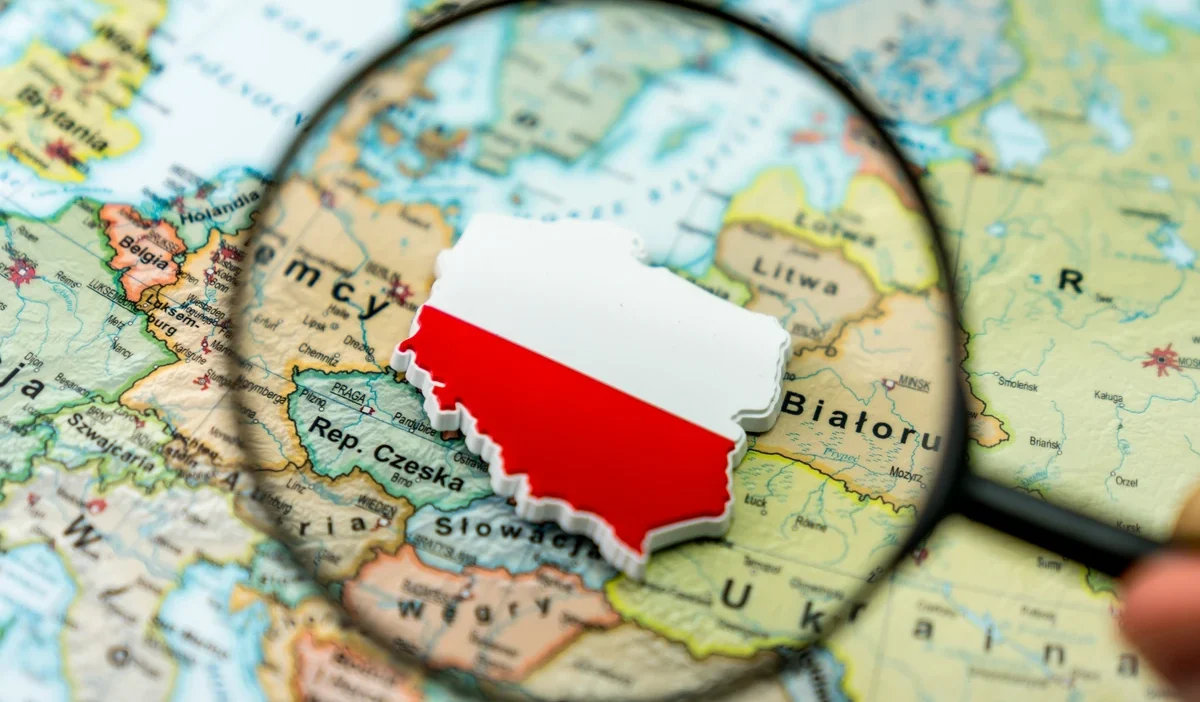
Poland’s BGK report identifies cities most at risk from military threats, highlighting Warsaw and the Suwałki Gap as particularly vulnerable.
Great Resilience Test for Poland
The Bank Gospodarstwa Krajowego presented a report on the resilience of local government units, meaning their level of preparedness for a crisis, ability to react to it, and efficiency in rebuilding during the post-crisis period. This includes natural disasters, such as floods, as well as health (e.g., pandemics) and humanitarian and military (including war) crises.
Security Depends Not Only on Authorities
The report authors note that the level of security of local communities is the result of many elements – from location, through infrastructure status, to the efficiency of public institutions. Only some factors are shaped by decision-makers, while others depend on the local community or circumstances beyond direct control.
Experience shows that in a crisis situation, smooth cooperation of all actors is important – residents, local entrepreneurs, social organizations, and authorities at all levels have their roles to play.
Warsaw as a Strategic Target
The report indicates places particularly vulnerable to military threats, especially from Russia. High risk concerns both cities near the eastern border and major economic centers.
Warsaw and Gdańsk, due to their infrastructure and economic importance, could be potential targets in case of conflict escalation. The highest military threat index was recorded in Warsaw due to its central location, strategic importance, and concentration of critical infrastructure.
Suwałki Gap Faces Communication Isolation Risk
The authors pay special attention to the Suwałki Gap, considered the most vulnerable area in Poland. Communes near the Russian and Belarusian borders are exposed not only to military threats but also to possible communication isolation. Limited infrastructure further increases the scale of risk.
Ranking of ‘Fortress Cities’
According to the report, cities with the highest resilience have developed infrastructure, efficiently functioning public services, and strong regional and national support. Good preparation helps limit the effects of armed conflicts, natural disasters, or health crises.
Among the best-prepared cities are Kraków, Poznań, Wrocław, Katowice, and Rzeszów. These cities have relatively easiest access to hospitals, energy and transport networks, increasing their chances of maintaining functionality even in difficult conditions.