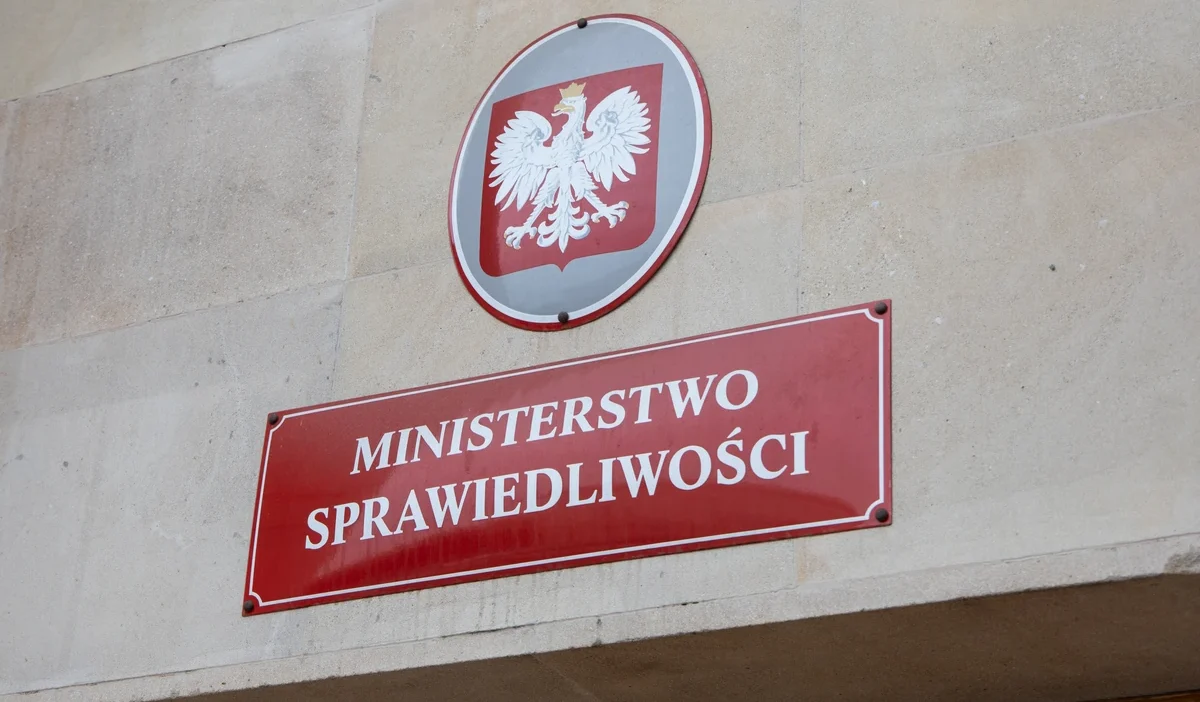
Polish prosecutors investigate corruption allegations in public tenders at the Ministry of Justice between 2010-2013.
Timeline and Investigation Scope
According to findings, crimes occurred between 2010-2013 when the Ministry of Justice was led by Krzysztof Kwiatkowski and Jarosław Gowin, ministers in Donald Tusk’s government. Key concerns involve irregularities in two public tenders commissioned by the ministry.
In both cases, ministry officials participated in procedures, and investigators are examining corruption mechanisms and financial flows related to these contracts.
Allegations and Confidential Investigation
“Wyborcza” reports charges include accepting financial benefits in exchange for influencing tender proceedings. The scale of amounts and nature of contracts led the investigation to be classified confidential at the operational stage, with a specialized prosecution unit handling the case.
The newspaper reveals details of proceedings conducted by the regional branch of the National Prosecutor’s Office in Katowice, specializing in combating organized crime and corruption.
New Leads from Existing Case
Information indicates analysis of materials from another investigation allowed detectives to identify new threads and potential abuses in public tenders at the ministry. The case proceeded outside mainstream media attention, with some actions conducted confidentially.
Officials Involved
Prosecutors confirm the corruption involved two public tenders commissioned by the Ministry of Justice. Ministry officials Małgorzata A. and Dawid P. were involved in both cases. These procedures became the focus of charges, with investigators analyzing how specific entities were favored and what benefits decision-makers received.
Legal Proceedings and Cooperation
The gathered evidence was substantial enough that both suspects decided to negotiate with the prosecution for a voluntary guilty plea, requiring court approval and full admission of guilt.
A key element is the cooperation of one defendant with law enforcement. According to “Wyborcza,” Dawid P. cooperated with investigators and now has the status of a small crown witness, eligible for extraordinary leniency in exchange for extensive testimony.
Significance of Testimony
The small crown witness status is typically used in corruption cases when prosecution determines information provided is crucial for explaining the crime mechanism and other individuals’ responsibility. Dawid P.’s testimony helped reconstruct the full picture of practices from 2010-2013.