Iranian frigate IRIS Dena sank south of Sri Lanka after being struck by a heavy torpedo from an unspecified nuclear submarine.
Location and Rescue
The sinking of the Iranian frigate occurred approximately 75 kilometers south of Galle port in Sri Lanka. Iranian authorities requested assistance between dawn and Wednesday. During the immediate rescue operation, 32 Iranians were found alive, along with 87 bodies. The frigate had approximately 180 crew members on board.
Blind, Deaf, and Unaware
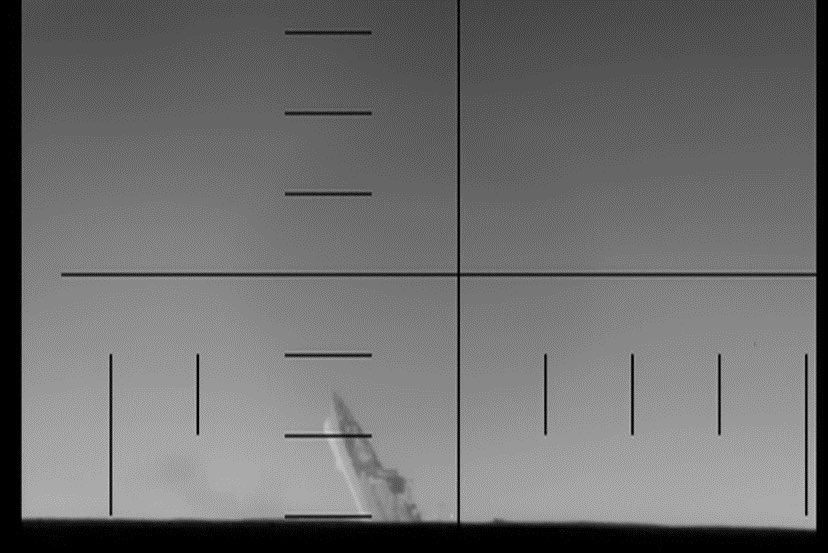
Despite the swift rescue operation, heavy casualties became evident after the Pentagon released video footage of the sinking. The footage shows a powerful explosion beneath the frigate’s stern, lifting the vessel from the water and breaking its hull. The catastrophic damage likely led to rapid sinking, with many crew members killed instantly or trapped below deck. These are the effects of heavy torpedoes deployed by submarines, especially against small vessels like the IRIS Dena.
Unaware Threat
The Pentagon confirmed that an unspecified nuclear submarine was responsible for the sinking. Periscope footage revealed black marks used for quick distance and direction assessment. Former US submarine commander Tom Shugart estimated the submarine was approximately 3,2 kilometers from its target. The Iranian vessel moved slowly, with minimal wake, suggesting crew members were unaware of the threat. A crew member is visible walking on the deck, unusual during combat alert conditions.
Propaganda vs Reality
While Iranian propaganda called the IRIS Dena a destroyer, it was actually a much smaller corvette or light frigate with a displacement of about 1,500 tons. Built in Iran since 2001 and based on old British designs, the ship was commissioned in 2021 after construction began in 2015, reflecting weaknesses in Iranian military shipbuilding. Theoretically armed with light torpedo launchers and a helicopter, it lacked reliable information about detection capabilities and couldn’t accommodate helicopters on extended voyages like the one where it was sunk.
Formidable Hunter
On the opposing side was likely a Los Angeles-class nuclear attack submarine. Though unofficial, Task and Purpose reported this, with the Pentagon declining to comment due to operational secrecy. The Los Angeles class, the oldest of three types still in US Navy service, was primarily designed to confront advanced Soviet submarines. With a surface displacement of 6,000 tons—four times larger than the Iranian vessel—these ships carry advanced sensor suites. The attack used a Mark 48 ADCAP torpedo, designed to defeat Soviet fleets, capable of traveling up to 50 kilometers and carrying nearly 300 kg of explosive.
Historic Attack
This marked the first torpedo attack by a US submarine since World War II and the second by a nuclear-powered submarine. The first was the 1982 sinking of the Argentine cruiser ARA General Belgrano during the Falklands War. Like the Iranian frigate, the Belgrano had virtually no chance of detecting or defending against the threat. The sinking of the Iranian vessel, returning from exercises in India far from Iranian waters, occurred on the fifth day of a conflict, though the ship was in a position to seek internment in a neutral port.