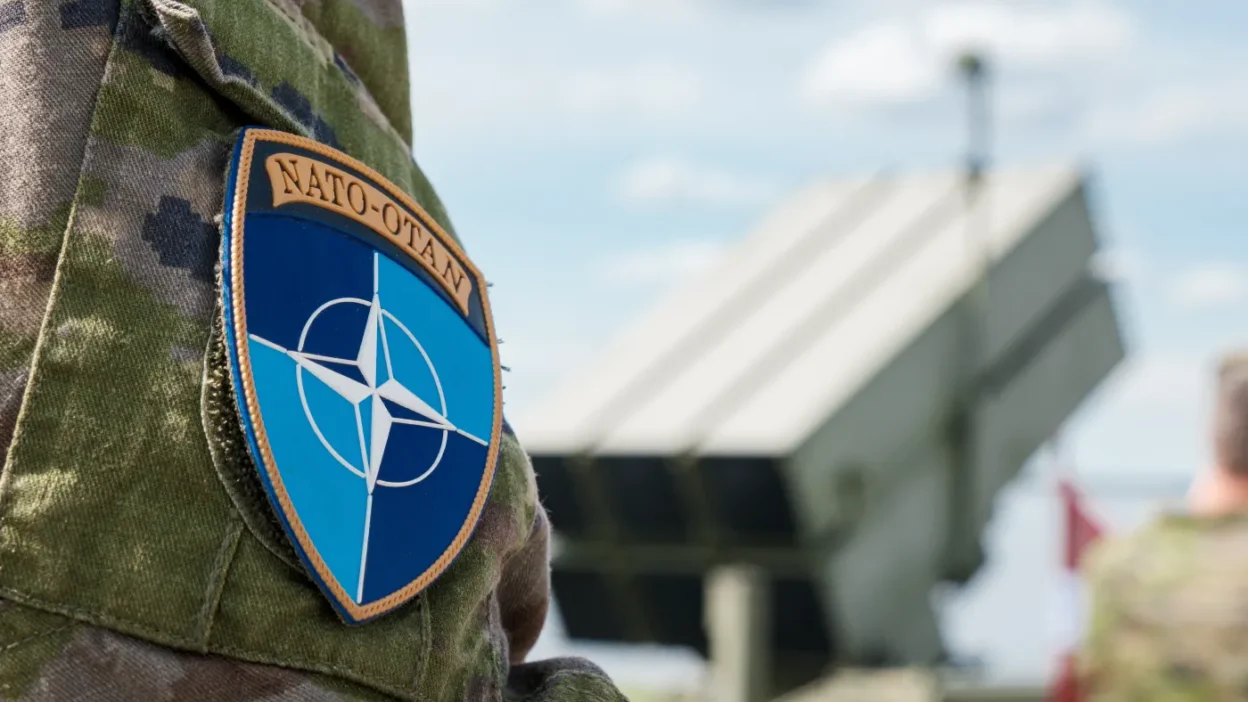
The United States’ decision to reduce its military presence in Germany has prompted a reaction from NATO and European capitals, emphasizing increased defense spending.
US Troop Reduction in Germany Triggers NATO Response
The United States’ decision to limit its military presence in Germany has immediately reacted within NATO structures and European capitals. The Alliance stresses the need for increased defense spending by European countries, while simultaneously pointing to the need for greater self-reliance in ensuring the security of the continent.
Details of the US Withdrawal
A Pentagon spokesperson announced that Secretary of Defense Pete Hegseth decided to reduce the American contingent in Germany by approximately 5,000 soldiers. This process is to be spread over a period of six to twelve months. Currently, around 36,500 US military personnel are stationed in Germany, making it one of the key points of the American army’s presence in Europe.
NATO Calls for Increased European Defense Investment
NATO spokesperson Allison Hart stated that the Alliance is analyzing the details of Washington’s decision. “This change underscores the need for further greater European investment in defense and a greater share of responsibility for our common security,” she indicated, referring to the direction of changes in security policy.
European Responsibility for Security and Defense Spending
The NATO spokesperson’s statement is part of a broader trend of strengthening the European pillar of the Alliance. During the summit in The Hague, member states committed to increasing defense spending, ultimately to a level of 5 percent of GDP. In recent years, many countries, including Poland, Germany, and the Baltic states, have significantly increased their military budgets, responding to the changing security situation in the region.
NATO Maintains Deterrence Capabilities
The Alliance spokesperson also emphasized that NATO remains capable of effective deterrence and defense despite changes in force deployment. “We remain confident in our ability to provide deterrence and defense as we continue to build a stronger Europe within a stronger NATO,” she noted.
Germany’s Position on the US Decision
German Defense Minister Boris Pistorius also commented on the decision, assessing that the United States’ move is not a surprise and is part of a long-term strategy to redefine the US military presence in the world. “We, Europeans, must take greater responsibility for our own security,” he emphasized, pointing to the need to strengthen European defense capabilities.
Strengthening the European Pillar of NATO
Pistorius also noted that NATO should become more “European” if it wants to maintain the durability of transatlantic relations. In practice, this means a greater participation of European countries in the financing and organization of the security system, while maintaining a strategic partnership with the US.
Geopolitical Context and Changes in NATO Strategy
The decision to reduce forces in Germany is part of broader changes in US military strategy, including a shift of some resources towards the Indo-Pacific region. Experts point out that growing tensions with China and the need to balance influence in Asia are influencing Washington’s decisions regarding troop deployment.
Increased Military Infrastructure and Readiness in Europe
At the same time, a process of strengthening military infrastructure and increasing combat readiness is underway in Europe. In recent years, NATO has expanded its rapid reaction forces and increased its military presence on the eastern flank, including in Poland, Romania, and the Baltic states.
Implications of the Ukraine War and Tensions with Russia
In the context of the war in Ukraine and tensions with Russia, the US decision raises questions about the future shape of the military presence in Europe. However, both NATO and German authorities emphasize that these changes do not mean a weakening of security guarantees, but rather their transformation.