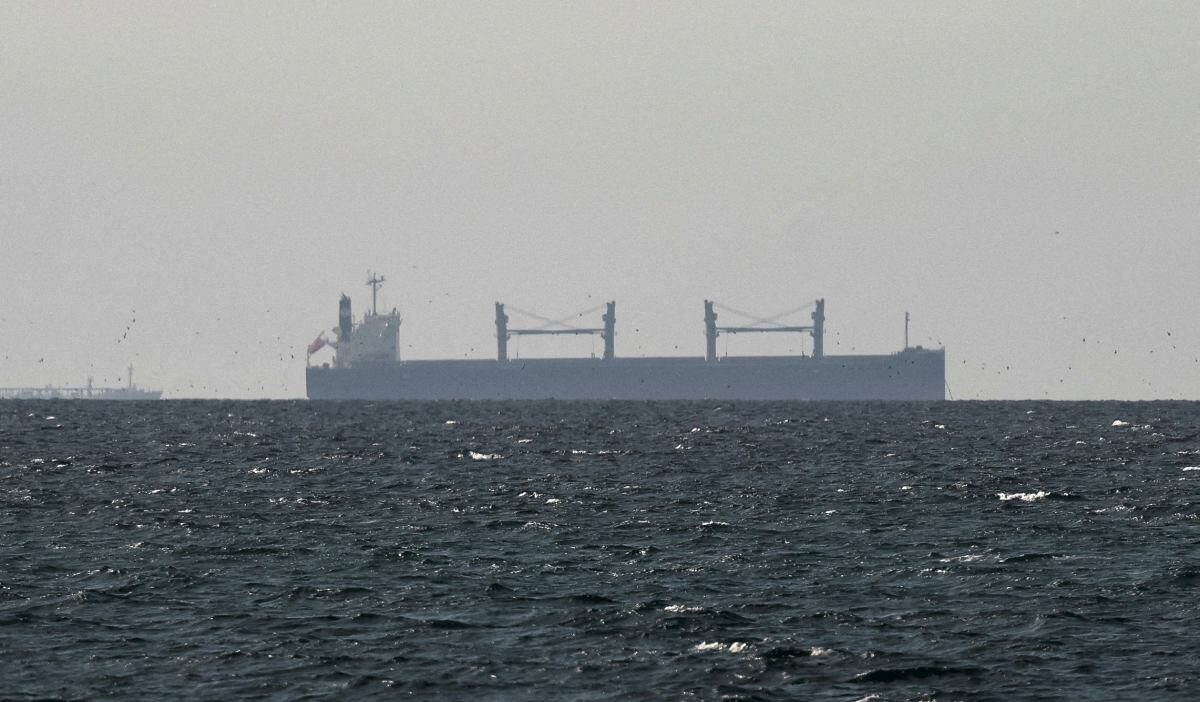
The US has temporarily removed sanctions on Iranian oil already loaded onto tankers, aiming to increase global supply and mitigate price increases amid regional tensions.
China Stockpiling Sanctioned Iranian Oil
China is currently building up reserves of sanctioned Iranian oil at low prices. By temporarily releasing these reserves to the global market, the US intends to introduce approximately 140 million barrels of oil, increasing global energy supplies and easing temporary pressure on deliveries caused by Iran.
US to Utilize Iranian Barrels Against Tehran
The US Treasury Secretary stated they will effectively use Iranian barrels against Tehran to maintain low prices, continuing “Operation Epic Fury.” The US Treasury Department issued a general license authorizing the sale of Iranian oil loaded onto tankers up to March 20th, until midnight on April 19th.
Oil Prices and Recent Actions
On Friday evening, the price of oil was around $108 per barrel, up from under $72 a month prior. The US has also lifted sanctions on 130 million barrels of Russian oil already loaded onto tankers.
Scope of Sanction Relief and Iranian Access to Funds
Scott Bessent clarified the temporary permission to sell oil applies only to crude already at sea and does not include new purchases or production. He added that Iran will have difficulty accessing any generated revenue, and the US will continue to exert maximum pressure on Iran and limit its access to the international financial system.
Decision Linked to Regional Conflict
The decision to lift sanctions aims to alleviate supply pressures amid the conflict between the US and Israel with Iran. The US has so far taken actions to introduce an additional 440 million barrels of oil onto the global market, aiming to limit Iran’s ability to disrupt shipping through the Strait of Hormuz.
Strategic Importance of the Strait of Hormuz
A small coral island, Khark, in the northern part of the Persian Gulf, could become a main battleground in a war with Iran, as it is the departure point for Iranian oil tankers, a key source of funding for the Iranian government.
Iran Offers Safe Passage to Japanese Vessels
Iran is prepared to allow Japanese ships to navigate the Strait of Hormuz, following talks with Tokyo regarding opening the strategic waterway to Japanese tankers. Iranian Foreign Minister Abbas Araghchi stated the strait is open, but Teheran is prepared to ensure safe transit for countries like Japan if they coordinate with Iranian authorities.
Iran Seeks Complete End to Conflict
Araghchi emphasized that Teheran does not seek merely a ceasefire, but a “complete and lasting end” to the war initiated by the US and Israel on February 28th, describing the attack as an “illegal and unprovoked act of aggression.”
Japan’s Reliance on Middle Eastern Oil
Japan is heavily reliant on Middle Eastern supplies, importing approximately 90% of its oil through the Strait of Hormuz. Due to the effective blockade of this shipping lane and the resulting global fuel price increases, Japan has begun releasing its own oil reserves.