A PiS vice-president announced the party will withdraw from the SAFE funding program if it gains power, raising questions about loan repayment and potential repercussions.
PiS Announces SAFE Withdrawal
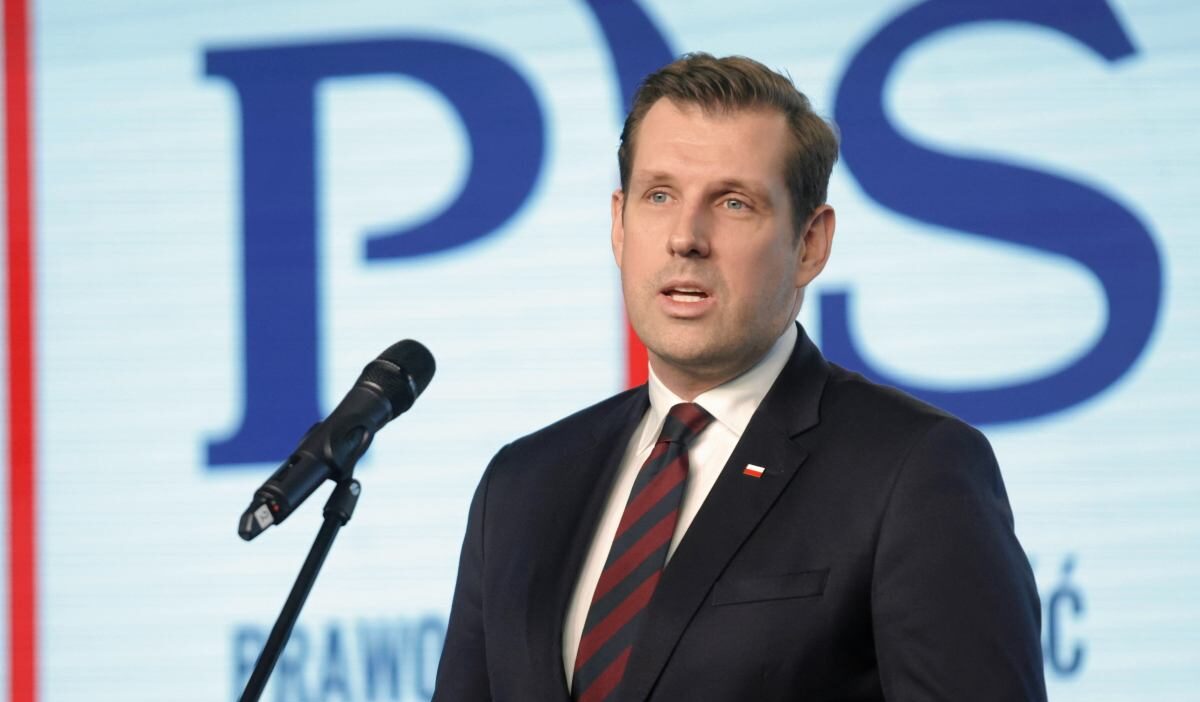
A vice-president of PiS (Law and Justice) stated that the party will reject the SAFE mechanism if it comes to power. A journalist noted the loan will already be taken out, making withdrawal difficult.
“We will exit this mechanism in a way that does not harm the reputation of the Republic of Poland on international financial markets,” stated Bocheński. “When we decide to leave, we will recognize the obligation up to that day and terminate the rest.”
Repayment and Constitutional Concerns
The program host questioned who would repay the loan if PiS were to withdraw. Bocheński suggested that if the Constitutional Tribunal ruled the government had violated the constitution by accepting the 180 billion PLN loan through a resolution rather than a parliamentary act approved by the president, Donald Tusk could be held personally liable.
Commitment to Alternative Funding
Bocheński affirmed that Poland would terminate SAFE, recognize obligations up to a specific date, and refrain from accepting further tranches. The country would seek alternative funding methods for the army, dependent solely on Poland.
SAFE Program Details
SAFE provides a total of 150 billion euros (over 630 billion PLN) in interest-free loans for military equipment purchases. Repayment is not required for the first 10 years, with a potential repayment period of up to 45 years. Poland is the largest beneficiary of the program, having submitted 139 projects totaling 43.7 billion euros (approximately 185 billion PLN).
According to government declarations, 89% of these funds were intended for Polish defense companies. President Duda vetoed the SAFE law on March 12th, prompting Donald Tusk to announce “Plan B,” a government resolution to implement the “Strong Poland” program. Tusk stated the president’s veto would not halt progress.
Alternative Funding Proposals
On March 3rd, Nawrocki and the National Bank of Poland (NBP) President Adam Glapiński presented the concept of a “Polish SAFE zero-percent” program, supported by the NBP. President Duda subsequently submitted a bill for the Polish Defense Investment Fund to the Sejm. However, Sejm Marshal Włodzimierz Czarzasty stated the bill would not be processed due to serious constitutional concerns.
PSL’s Counter-Proposal
On March 24th, the PSL (Polish People’s Party) submitted a bill for the Polish Defense Investment Fund, aiming to correct perceived flaws in the president’s proposal. Władysław Kosiniak-Kamysz emphasized the party’s interest in utilizing funds from the National Bank of Poland for national security.