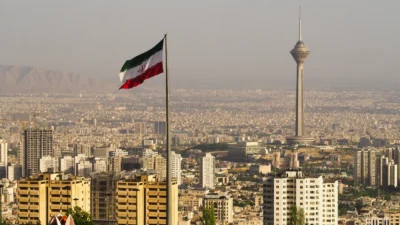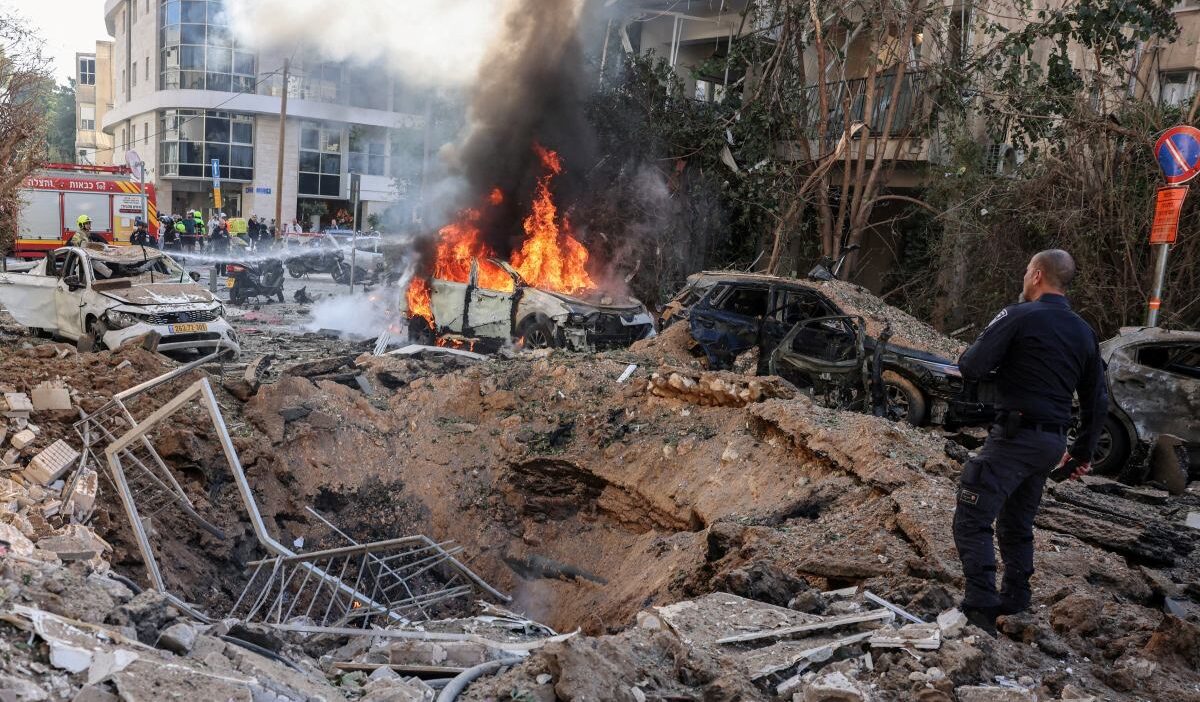
A US-Israeli operation targeting Iran began February 28th, triggering retaliatory strikes and escalating into a multi-faceted conflict with global implications.
Operation “Epic Fury” and Initial Retaliation
Operation “Epic Fury” commenced on February 28th, with the US and Israel launching extensive attacks against targets within Iran. Iran responded with strikes against strategic US and Israeli assets, including locations in the Persian Gulf, and threatened future attacks on all American bases in the Middle East.
Tragic Civilian Casualties and Rising Death Toll
One of the most devastating events of the conflict was the February 28th shelling of a girls’ primary school in Minab, Hormozgan province, resulting in the deaths of 168 children and 14 teachers. As of March 20th, the American agency HRANA reported the war’s death toll in Iran exceeding 3,180, nearly half of whom were civilians.
Decapitation Plan and Elimination of Key Leaders
A key objective of the war was reportedly a “decapitation” plan – removing Iran’s leadership. On February 23rd, Israeli Prime Minister Benjamin Netanyahu reportedly informed US President Donald Trump of a plan to target Iran’s Supreme Leader and his advisors, suggesting “one strike could kill them all.”
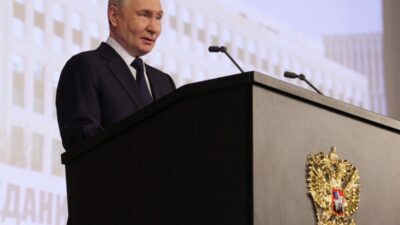
Ayatollah Ali Khamenei was reportedly killed on the first day of airstrikes when his residence was targeted, prompting 40 days of national mourning. Russian President Vladimir Putin condemned the killing as a “cynical violation of all norms of human morality and international law.”
Succession and New Leadership
The Council of Experts was tasked with selecting a new Supreme Leader. On March 3rd, Israeli Air Forces struck a building in the holy city of Qom, attempting to disrupt the process during vote counting. On March 8th, Mojtaba Khamenei, the son of the late Ayatollah, was chosen as his successor. Trump expressed dissatisfaction with the selection, and Israel threatened further attacks.
US intelligence intercepted an encrypted signal from Iran on March 9th, potentially activating “sleeper agents” following Khamenei’s death.
Targeting of Iranian Military and Security Forces
US and Israeli forces destroyed the headquarters of the Iranian Revolutionary Guard in Tehran on March 1st, stating the IRGC had killed over 1,000 Americans in the past 47 years. By March 1st, 48 high-ranking Iranian officials, including intelligence minister Esmail Khatib, had been killed.
Mojtaba Khamenei was reportedly wounded in US-Israeli airstrikes on March 11th. Later, Ali Mohammad Naini, a spokesperson for the Islamic Revolutionary Guard Corps, was killed on March 20th. Other eliminated figures included Iranian Defense Minister Amir Hatami, IRGC commander Mohammad Pakpour, and Basij leader Golamreza Soleimani.
Strait of Hormuz Blockade and Global Oil Prices
Iran initiated a blockade of the Strait of Hormuz on the first day of US-Israeli airstrikes, a tactic previously threatened in response to potential attacks. Prior to the conflict, approximately one-fifth of global oil and liquefied natural gas supplies passed through the strait.
Trump threatened to attack Iranian power plants if Iran attacked ships traversing the strait. The blockade caused a significant increase in global fuel prices, prompting Trump to pressure allies for assistance. Several nations rejected Trump’s appeals, leading him to label NATO allies as “cowards.” The International Maritime Organization (IMO) reports approximately 20,000 sailors are stranded in the Gulf, necessitating a “safe maritime corridor.”
Attacks on Regional Infrastructure and Retaliation
Iran threatened attacks on US bases in the region and targeted cities in the Persian Gulf, including the United Arab Emirates, Qatar, Kuwait, and Saudi Arabia. These countries accused Tehran of shelling non-military areas. Iran asserted it was not hostile towards its neighbors and would refrain from attacks if they did not attack Iran, also acknowledging military support from Russia and China.
Recent attacks included strikes on key gas facilities, such as the Ras Laffan LNG plant in Qatar on March 18th, and a fire at a gas plant in Bandar Kangan, Iran. Israel claimed to have acted alone. Iran also targeted the Shimon Peres Nuclear Research Center, commonly known as the Dimona Reactor, in retaliation for an attack on the Natanz enrichment facility.
Conflict with Hezbollah in Lebanon
Following an attack on an Israeli anti-rocket defense base near Haifa on the night of March 1st, Israel blamed Hezbollah, a Lebanese group supported by Iran. Israel responded with airstrikes on Lebanon, targeting a “high-ranking terrorist” in Beirut. The conflict was condemned by Lebanese Prime Minister Nawaf Salam.
Israel ordered the destruction of all bridges believed to be used by Hezbollah, beginning March 22nd, which Lebanon described as a “prelude to a land invasion.” The Lebanese Ministry of Health reported over 1,000 deaths in Israeli attacks on Lebanon as of March 22nd, including nearly 120 children, 80 women, and 40 medical personnel.
International Response and Negotiations
Mass evacuations of citizens from conflict zones are underway. Iran signaled its ability to extend military operations beyond the Middle East, threatening British military base at Akrotiri, Cyprus, and Albania. A ballistic missile fired from Iran towards Turkey was intercepted, marking the first instance of a missile targeting a NATO member state.
Spain distanced itself from the US operation, refusing to allow the use of jointly managed military bases for attacks on Iran. Germany’s President Frank-Walter Steinmeier criticized the US-Israeli attack as a violation of international law. Poland stated it would not deploy troops to Iran, focusing on its NATO commitments. Iran threatened that European countries would “pay” for their silence regarding the US-Israeli offensive.
Trump indicated a willingness to negotiate with new Iranian authorities while continuing airstrikes, predicting the operation would conclude within a month. After three weeks of war, Trump claimed objectives were near completion but threatened to destroy Iranian power plants if the Strait of Hormuz remained closed. On March 23rd, the US and Iran engaged in negotiations, with Trump stating they had reached “almost all points of agreement,” reportedly through a 15-point plan delivered via Pakistan.
US Assessment and Domestic Impact
An Ipsos poll for Reuters revealed only 27% of Americans supported the US attack on Iran, contingent on US casualties. 43% opposed the invasion, and 29% were undecided. Trump’s approval rating fell to 36%, the lowest since taking office.
The first six days of the war cost the US at least $11.3 billion. From February 28th to March 21st, the US military struck 8,000 targets in Iran.