A dead whale measuring approximately five meters was discovered on Saturday, May 9, in the Mewia Łacha nature reserve near Mikoszewo, creating a complex recovery challenge due to nearby bird nesting sites.
Discovery of the Carcass
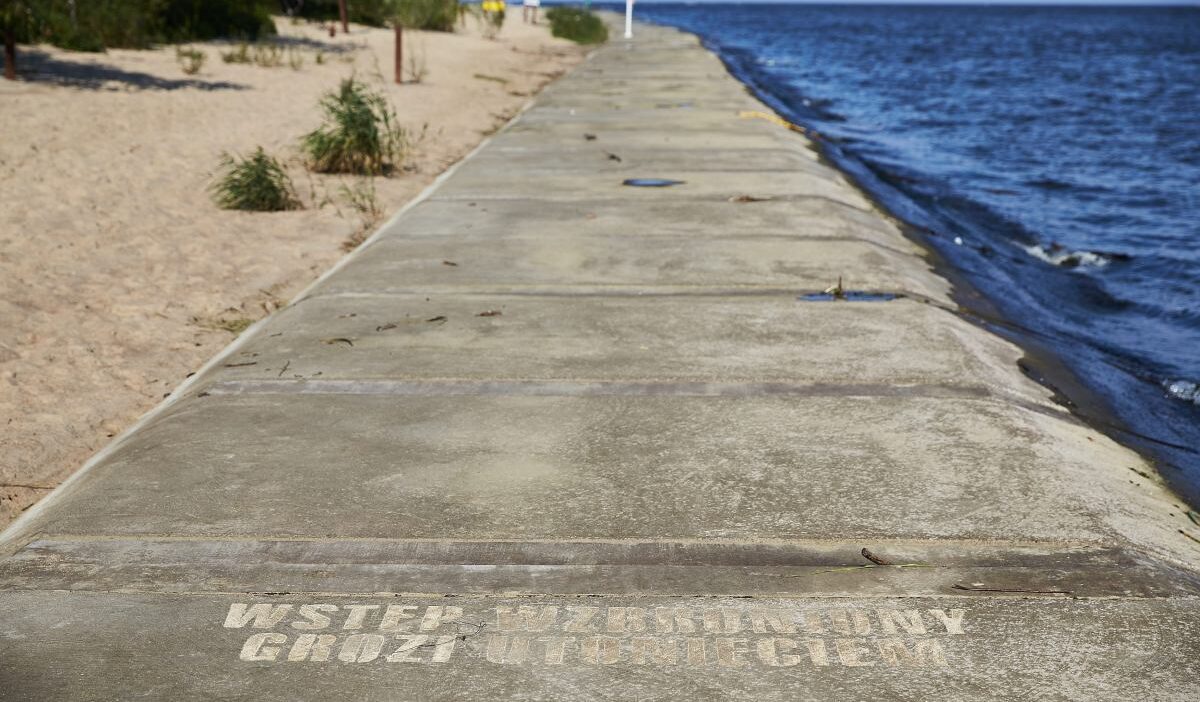
A dead whale, approximately five meters in length, was found on Saturday, May 9, on a beach within the Mewia Łacha nature reserve near Mikoszewo, Pomerania. The animal was first spotted by a guard on duty at the Vistula estuary, as well as by passengers on tourist seal-watching cruises.
According to Wilkanowski, the carcass may have been drifting in the Baltic Sea for several weeks before being washed ashore.
Species Identification and Origin
The exact species has not yet been determined, although preliminary hypotheses suggest it may be a baleen whale. These animals feed on plankton and small fish and are not native to the Baltic Sea, typically entering the region accidentally through the Danish Straits.
Wilkanowski noted that harbor porpoises are the only cetacean species naturally living in the Baltic. DNA samples, expected to be collected tomorrow, will provide a definitive identification.
Environmental Constraints and Recovery
The situation is considered exceptional because the whale lies only a few meters from bird nests during the current breeding season. This creates a dilemma regarding whether and how the body should be moved without harming the environment.
Decisions on the carcass’s fate will be made by the Hel Marine Station, the Gdynia Maritime Office, and regional or central environmental protection authorities.
Strict Access Restrictions
Due to the strict nature protection of the reserve, access to the discovery site is forbidden for unauthorized persons. Wilkanowski warned that any human interference in the area could cause significant ecological damage.
Magdalena Kierzkowska, spokesperson for the Gdynia Maritime Office, stated that no final decisions have been made as coordination between the involved institutions is still ongoing.