European leaders are hesitant to engage in a Middle East conflict, with NATO Secretary General Mark Rutte facing criticism for prioritizing U.S. involvement.
NATO Divisions Emerge Over Middle East Stance
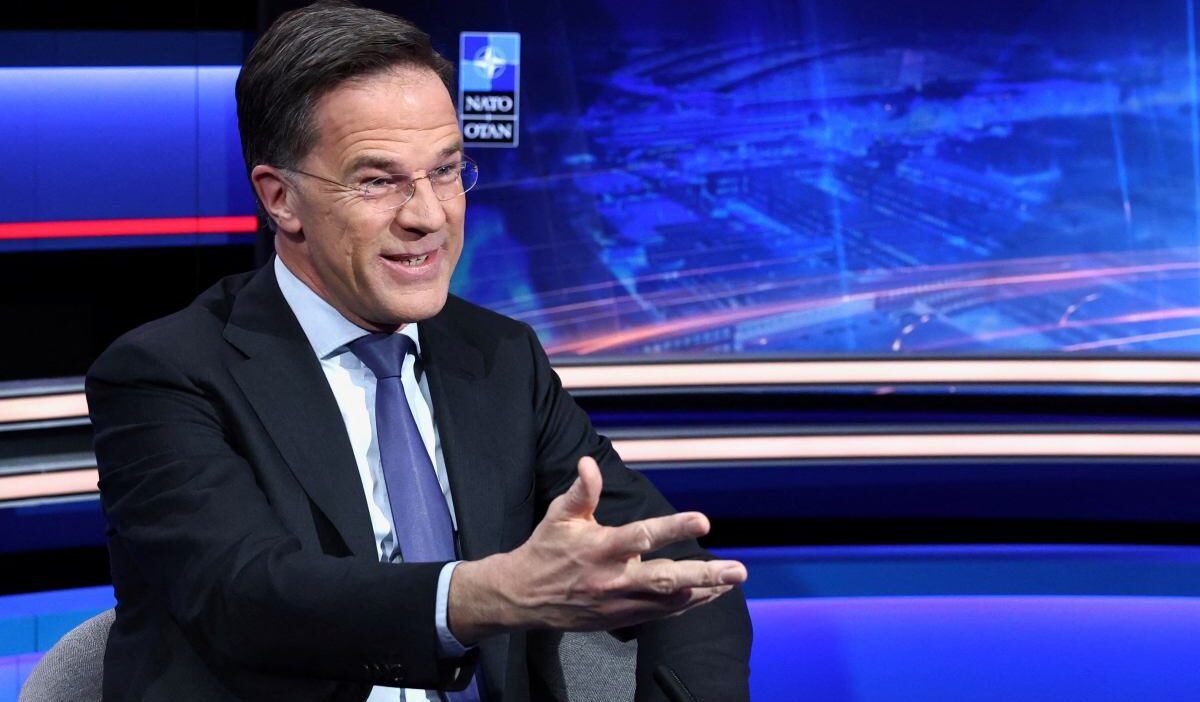
Critics accuse Mark Rutte of attempting to appease Donald Trump and secure continued U.S. engagement in the alliance, reportedly praising Trump in hopes of maintaining American support. He previously stated there was “widespread support” among allies for U.S.-Israeli attacks on Iran.
The Financial Times reported that several European diplomats expressed concern over the divergence between Rutte’s position and that of most European capitals.
Rutte Defends Trump’s Actions
During a March 22nd appearance on CBS’s “Face The Nation,” NATO Secretary General Mark Rutte stated that Trump’s actions were making the world safer. When questioned about Israel’s assessment of Iran possessing intercontinental ballistic missiles capable of reaching European cities, Rutte acknowledged the issue was under investigation.
Rutte emphasized that hindering Iran’s ability to produce ballistic and nuclear weapons was “key,” and avoided direct criticism of Trump, expressing hope for continued American support.
Efforts to Open the Strait of Hormuz
On March 23rd, Rutte announced a coalition of 22 countries – including NATO members, Japan, South Korea, Australia, New Zealand, the UAE, and Bahrain – would unite to open the Strait of Hormuz. He stressed the need for collaborative planning and action to ensure the waterway remains open.
European Discomfort and Concerns
According to the Financial Times, tensions within NATO are escalating, with Rutte’s comments on opening the Strait of Hormuz causing unease in several European capitals. One EU diplomat stated that this situation places them in a “very awkward and uncomfortable position,” expressing a desire to show willingness to help but acknowledging a lack of capacity for direct involvement.
The Trump administration is pressuring partner nations to deploy warships to the region and assist in opening the Strait of Hormuz, warning of “very bad consequences for the future of NATO” if they fail to respond. Rutte acknowledged that European nations require time to reach an agreement.
Differing European Perspectives
Not all European countries are prepared to support a military operation in the Strait of Hormuz. Estonian Foreign Minister Kaja Kallas stated, “This is not our war.” Similar sentiments were expressed by ministers from Germany, Italy, and Spain.
German President Frank-Walter Steinmeier described the conflict as a “politically catastrophic mistake” and “a truly unnecessary war that could have been avoided.”
France Expresses Security Concerns
The Chief of Staff of the French Armed Forces, Fabien Mandon, stated that the U.S. is becoming “increasingly unpredictable” and is failing to inform allies about military operations. He added that this impacts French security and interests.
Economic Considerations and Diplomacy
Some officials privately oppose labeling the conflict as “not our war,” citing the potential impact on oil and gas prices. One official told the Financial Times, “The consequences fall on us, so the war is ours.” Many European capitals are in contact with states in the Middle East, seeking a diplomatic solution.