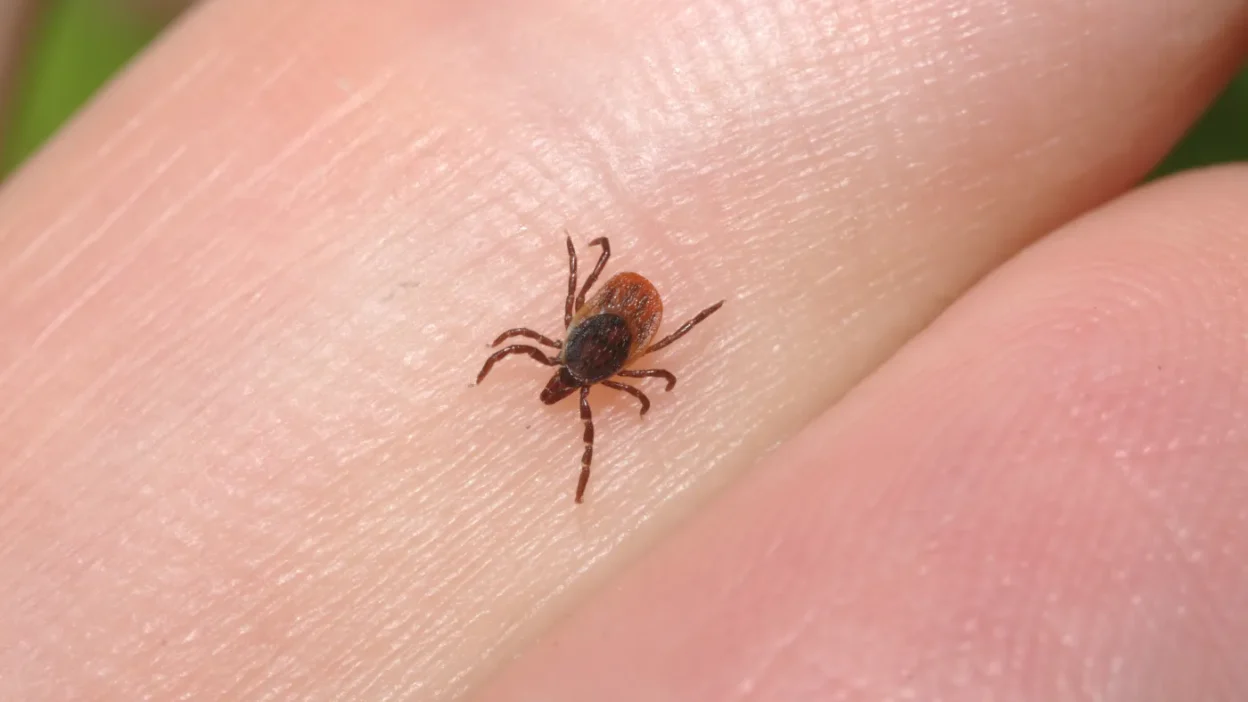
Scientists in Poland have discovered exotic bacteria in African ticks, including pathogens causing spotted fever, amid extremely low vaccination rates.
African Ticks Carrying Exotic Pathogens Found in Poland
Dangerous African ticks have been found in Poland, with all specimens examined by University of Warsaw (UW) scientists carrying exotic pathogens. Experts are warning of a potential increase in diseases transmitted by ticks, particularly as tick-borne encephalitis cases rise, while vaccination rates remain below 1%.
The “national tick collection” project (www.narodowekleszczobranie.pl) has been underway since spring 2024, encouraging Poles to regularly check themselves and their dogs for ticks after outdoor activities. Collected ticks can be submitted for research to the Eco-Epidemiology of Parasitic Diseases Laboratory at the Faculty of Biology of the University of Warsaw.
Research Aims to Map Exotic Tick Presence
Researchers aim to determine the extent of exotic tick presence in Poland and whether they carry new, dangerous pathogens. The University of Warsaw is requesting submissions of ticks and reports of sightings.
Tick Sightings Reported Across Poland
To date, 253 common ticks, 212 meadow ticks, and 12 Hyalomma ticks have been reported on a map. Hyalomma ticks are of particular interest, as they have been found regularly in various regions, including Silesia and Greater Poland, over the past two seasons.
Hyalomma Ticks Carry R. aeschlimannii Bacteria
Four Hyalomma ticks have been physically examined, and all four were found to contain *R. aeschlimannii* bacteria, a pathogen causing spotted fever-group rickettsiosis. Infection symptoms include high fever, weakness, muscle pain, and a characteristic skin lesion at the bite site. This bacterium is closely associated with Hyalomma ticks, making it a newly identified pathogen in Poland.
Fortunately, tests on Polish ticks have not yet detected the Crimean-Congo hemorrhagic fever virus, a disease with a very dangerous course.
Hyalomma Tick Characteristics and Risks
Hyalomma ticks are large (up to 2 cm when engorged), fast-moving, and can pursue victims for hundreds of meters. They prefer the blood of horses, sheep, cattle, and dogs, but also pose a threat to humans, as they can transmit the Crimean-Congo hemorrhagic fever virus.
Ideal Conditions for Tick Survival
UW scientists emphasize that the current spring – dry and warm – is ideal for the survival and development of young Hyalomma ticks brought from Africa. Thousands of larvae and nymphs arrive in Europe annually with migrating birds.
Call for Public Vigilance and Reporting
Researchers are urging the public to be vigilant and report observations. They anticipate a potential surge in these ticks this spring and summer, alongside an increase in meadow ticks ( *Dermacentor reticulatus* ) carrying canine babesiosis. Thoroughly checking oneself and pets after outdoor activities is recommended.
If a unusually large tick is found, researchers should be notified via a form with a photo. The tick should be frozen in a plastic bag at -20°C for at least 24 hours, then packaged with data including the host animal, date, and location.
Tick Submission Details
Ticks should be sent to: Eco-Epidemiology of Parasitic Diseases Laboratory, Faculty of Biology, University of Warsaw (Ilji Miecznikowa 1, 02-096 Warsaw).
Low Vaccination Rates Against Tick-Borne Diseases
The number of cases of tick-borne encephalitis (TBE), which can cause serious neurological complications, is steadily increasing in Poland. However, vaccination rates remain below 1%, experts said at a press conference in Warsaw.
Climate Change and Increasing Tick Risk
Experts highlighted that climate change is leading to more ticks and a higher proportion of ticks infected with the TBE virus. Milder winters favor the survival of small animals, which are the main hosts for ticks. This results in a yearly increase in TBE cases, and the disease is no longer seasonal.
Epidemiological models indicate a significant increase in tick-borne diseases in the coming years. The risk of epidemiological risk and the expansion of tick habitats are increasing, along with the introduction of new species.
Tick Distribution and Risk Factors
Common ticks (*Ixodes ricinus*) are found throughout Poland, and the range of meadow ticks (*Dermacentor reticulatus*) has significantly increased. Both species transmit the TBE virus and are currently more epidemiologically significant than African ticks (*Hyalomma marginatum*), which transmit Crimean-Congo hemorrhagic fever.
Anyone spending time outdoors is at risk of tick bites, including those visiting forests, parks, running, walking dogs, fishing, mushroom picking, gardening, and forestry workers. Any outdoor activity carries a risk of tick contact. Larvae and nymphs, which are smaller and easily overlooked, also transmit diseases. The TBE virus is present in saliva, so even the start of a tick’s feeding process carries a risk of infection.
TBE is closely related to viruses that cause yellow fever, dengue fever, and West Nile fever. One-third of TBE cases are asymptomatic. When symptoms occur, the initial phase can resemble the flu. The second, neurological phase involves inflammation of the central nervous system, with symptoms including fever, headache, stiff neck, seizures, paralysis, and impaired consciousness. This phase requires hospitalization and can lead to permanent neurological damage or respiratory failure.
There is currently no effective drug for TBE; treatment is symptomatic. Vaccination is the only way to prevent infection, with a 90% effectiveness rate after the first dose. Severe TBE cases occur only in unvaccinated individuals. The vaccination rate in Poland is currently 0.22% of the population, significantly lower than in other EU countries. A three-dose vaccination schedule provides nearly 100% immunity, with a booster dose recommended after 3-5 years.
The availability of TBE vaccines in pharmacies has improved access to vaccination. While the vaccine itself is paid for, administration is reimbursed. A tick bite infected with the TBE virus is a random event, so vaccination should be considered an insurance policy.
Copyright © INFOR PL S.A.