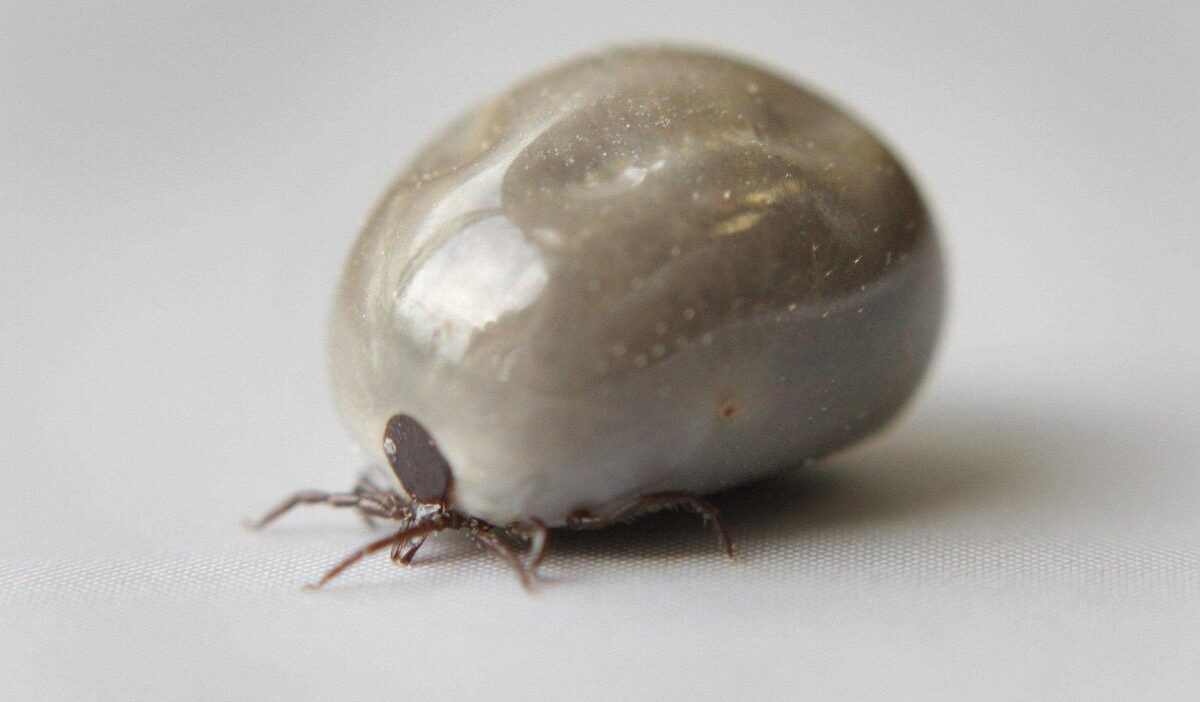
A Polish citizen science initiative tracking ticks has revealed the presence of African Hyalomma ticks carrying bacteria causing spotted fever-like illnesses.
African Ticks in Poland
The “national tick-collecting” campaign has been underway since spring 2024, encouraging Poles to regularly check themselves and their dogs for ticks after outdoor activities. Collected specimens can be submitted for research at the Department of Eco-Epidemiology of Parasitic Diseases at the University of Warsaw’s Faculty of Biology.
Preventing Tick-Borne Diseases
Researchers state that knowledge of the presence of Hyalomma ticks will aid in preventing diseases they transmit. The initiative aims to determine the extent of these exotic ticks’ presence in Poland and whether they carry new, dangerous pathogens.
Tick Collection Results
To date, 253 common ticks, 212 meadow ticks, and 12 Hyalomma ticks have been reported. The latter species is of greatest interest. Project leader Professor Anna Bajer notes that after two seasons, Hyalomma ticks are being found regularly in various regions, such as Silesia and Greater Poland.
Pathogenic Bacteria Detected
Four Hyalomma ticks were physically examined. Tests revealed that all four contained *R. aeschlimannii* bacteria, a pathogen causing rickettsiosis associated with spotted fever. Infection symptoms include high fever, weakness, muscle pain, and a characteristic skin lesion at the bite site. This bacterium is closely linked to Hyalomma ticks, making it a newly recorded pathogen in Poland.
No Crimean-Congo Hemorrhagic Fever Virus Found
Researchers have not yet detected the Crimean-Congo hemorrhagic fever virus in Polish ticks, a disease with a very dangerous course.
Hyalomma Tick Characteristics
Hyalomma ticks are large (reaching up to 2 cm when engorged), fast-moving, and can follow a host for hundreds of meters. They prefer the blood of horses, sheep, cattle, and dogs, and pose a threat to humans as they can transmit the Crimean-Congo hemorrhagic fever virus.
Ideal Conditions for Tick Survival
University of Warsaw scientists emphasize that the current spring—dry and warm—is ideal for the survival and development of young Hyalomma ticks brought from Africa. Thousands of larvae and nymphs arrive in Europe annually with migrating birds. Researchers urge vigilance and reporting of observations.
Tick Removal and Reporting
Professor Bajer encourages full mobilization and participation in the project, anticipating a significant tick population this spring and summer. She reminds the public of a current outbreak of meadow ticks (*Dermacentor reticulatus*), which transmit canine babesiosis, and advises thorough checks of themselves and their pets.
How to Properly Remove a Tick
If a unusually large tick is found, researchers should be informed (via a form) and a photo attached. Ideally, send the tick itself. When removing a tick, avoid twisting or jerking. Use tweezers, a lasso, tick removal hooks, or a suction pump, ensuring it’s grasped as close to the skin as possible to prevent crushing. Extract the tick slowly and steadily. Freeze the tick in a plastic bag at -20°C for at least 24 hours before transport, and include data such as the host animal, date, and location.
Tick Submission Address
Ticks should be sent to: Department of Eco-Epidemiology of Parasitic Diseases, Faculty of Biology, University of Warsaw (Ilji Miecznikowa 1, 02-096 Warsaw).