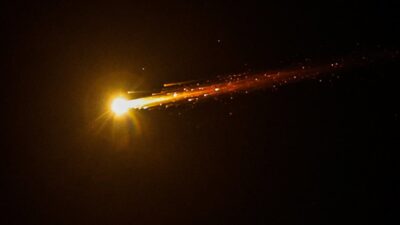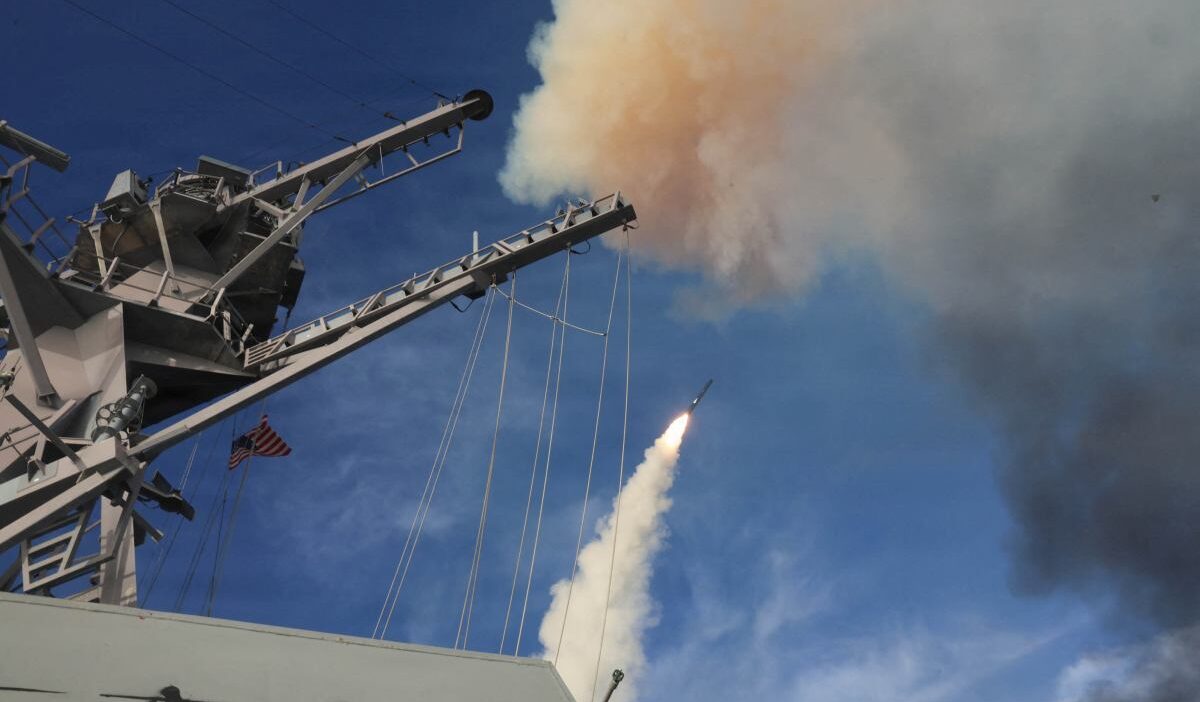
The United States is facing shrinking reserves of crucial ammunition, including Tomahawk missiles, prompting the Pentagon to consider shifting supplies and boosting production.
Tomahawk Missile Supply Concerns
Tomahawk cruise missiles, launched from both surface and submarine vessels, have been a cornerstone of U.S. military operations since their debut in 1991.
The U.S. has fired hundreds of Tomahawk missiles, but annual production is limited to only a few hundred units. The Pentagon does not disclose current stockpile levels.
Tomahawks are valued for their range exceeding 1,600 km, reducing the need to send American pilots into heavily defended areas.
Cost and Procurement
Tactical Tomahawk cruise missiles, produced by RTX, cost approximately $3.6 million each, with a warhead weighing around 450 kg.
Over the past five years, the U.S. military has purchased only 322 Tomahawk missiles, including 57 in the current fiscal year for a total of $206.6 million.
Potential Supply Adjustments
Rapid consumption of these missiles during a conflict with Iran would necessitate urgent discussions regarding the potential transfer of reserves from other regions and long-term production increases, according to American officials.
Increased Weapons Production
The U.S. is increasing production of high-end weaponry.
Pentagon and Congress Concerns
This situation has exposed concerns within the Pentagon and Congress regarding the risks posed by ammunition shortages, particularly in the event of escalation involving ground operations in Iran.
White House Response
White House spokesperson Karoline Leavitt has recently assured that the United States has sufficient ammunition. The administration convened a meeting with representatives from the defense industry, including Raytheon, the manufacturer of Tomahawks.
President Donald Trump subsequently announced on social media that companies would quadruple weapons production, with further meetings planned within two months.
Escalation in the Middle East
The conflict in the Middle East began on February 28th with Israeli and U.S. strikes against Iran. Tehran retaliated with attacks on both Israel and Arab nations in the Persian Gulf region, targeting American military bases and civilian infrastructure, including airports and petrochemical facilities.
Iran also blocked free navigation through the Strait of Hormuz, halting oil exports from the Middle East.