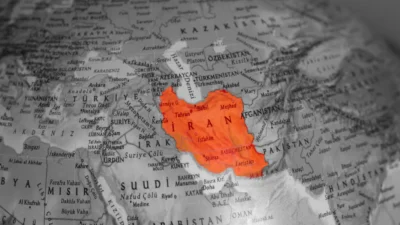
Following attacks by an Iranian ally, a recent poll reveals overwhelming reader concern about further escalation of the Middle East conflict as of April 3, 2026.
Initial Reader Response
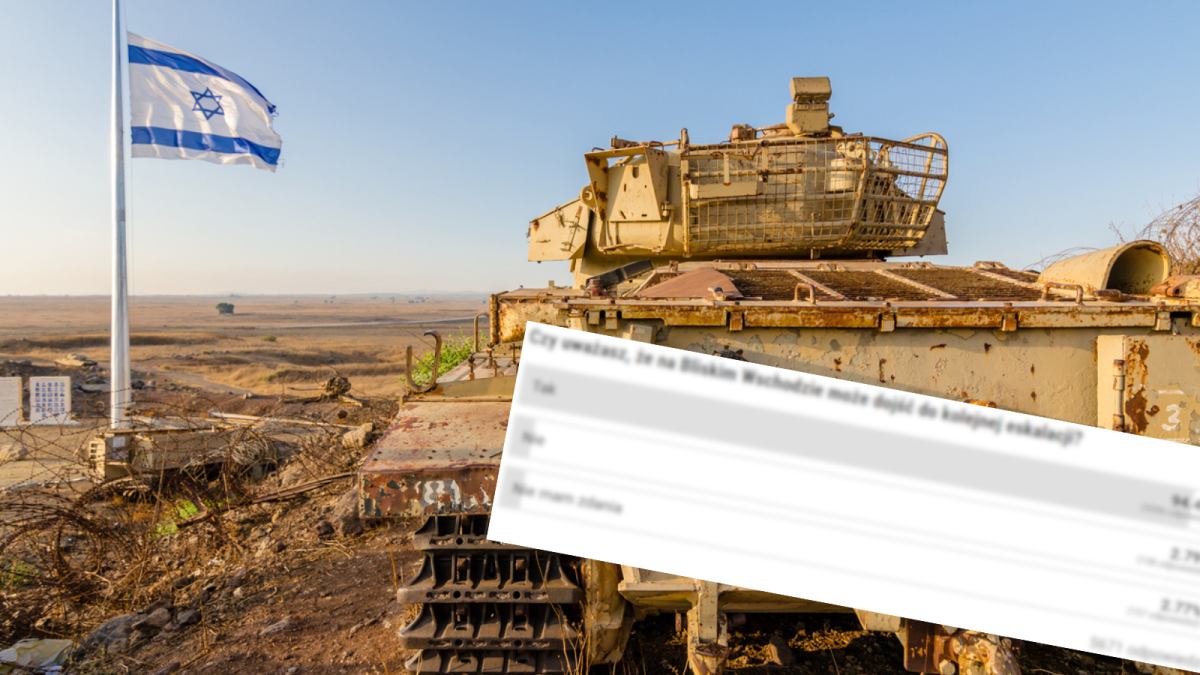
On March 28, 2026, we reported on the developing situation in the Middle East, including the involvement of additional actors and military actions in the region. We then asked readers for their opinions on the future course of events.
The results of the poll, available here, showed a clear consensus.
Overwhelming Expectation of Escalation
A significant majority of respondents anticipate further escalation of the conflict. As of April 3, 2026, 94.45% of voters indicated that another escalation in the Middle East is possible. Only 2.79% answered “no,” and 2.77% stated they had no opinion. A total of 5671 votes were cast, demonstrating strong reader engagement.
Rapidly Developing Conflict
The beginning of the clashes revealed a rapid pace of events, with actions spreading to various parts of the region.
Conflict Begins in February 2026
The conflict involving Iran began at the end of February 2026 and was multi-faceted from the outset. Early on, there were reports of airstrikes, rocket attacks, and strikes on infrastructure in several locations across the Middle East simultaneously.
In the following days, information emerged about airspace closures, attacks on military installations, and reactions from Iran. The events encompassed successive countries and influenced the dynamics of the entire situation.
Simultaneously, voices emerged on the international stage. The UN Security Council convened an emergency meeting on the escalation, and Secretary-General António Guterres appealed for an immediate cessation of hostilities. At the same time, NATO Secretary-General Mark Rutte stated that the Alliance does not plan direct involvement in the conflict.
Further Information
More information about the situation in the Middle East is available.