Serbian President Aleksandar Vučić announced the discovery of an explosive device near a gas pipeline supplying Russian gas to Hungary, prompting accusations and investigations.
Serbia Announces Explosive Found Near Gas Pipeline
Serbian President Aleksandar Vučić announced on Sunday, April 5th, the discovery of a “large-force” explosive device near a gas pipeline delivering Russian gas to Hungary, potentially threatening numerous individuals and disrupting gas supplies.
Vučić informed Hungarian Prime Minister Viktor Orbán, who subsequently convened an emergency defense council and deployed troops to protect the pipeline on the Hungarian side of the border. Orbán stated the pipeline covers 60% of Hungary’s gas needs.
Orbán Accuses Ukraine, Kyiv Denies Involvement
Orbán accused Ukraine of attempting to cut off Europe from Russian energy supplies, labeling Ukrainian plans a threat to Hungary. Hungarian Foreign Minister Péter Szijjártó characterized the incident as a “terrorist attack” fitting a pattern of recent Ukrainian attacks.
Ukrainian Foreign Ministry spokesperson Heorhiy Tychyj rejected any connection to the incident, suggesting it was likely a Russian false flag operation.
Journalists Find No Evidence at Site
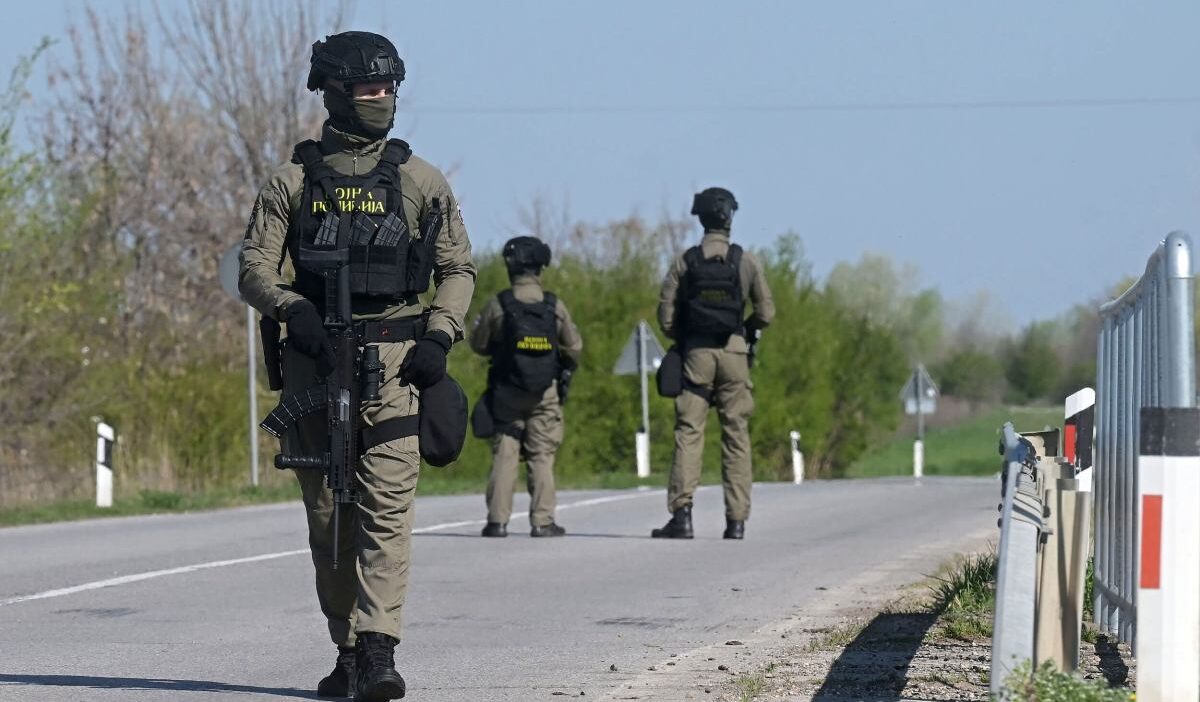
Serbian authorities reportedly located a significant amount of explosives in the Kanjiža municipality, near the pipeline. Hungarian news portal HVG identified the location as a compressor station based on photos and footage of the operation.
However, HVG journalists arriving at the site on the day of the alleged incident found no personnel present – no police, military, or explosives experts. Local residents also reported not seeing any security forces in the area.
Explosives Traced to the United States
Djuro Jovanić, Director of Serbia’s Security and Intelligence Agency, revealed that intelligence gathering preceded the discovery, indicating information about a migrant attempting to sabotage the gas infrastructure. He dismissed claims of Serbian military involvement in framing Ukraine.
Jovanić stated that markings on the explosives indicated they were manufactured in the USA, but emphasized that the manufacturer does not necessarily equate to the perpetrator.
Hungarian Opposition Suggests Government Operation
The incident occurred a week before Hungary’s parliamentary elections, where the opposition TISZA party currently leads Fidesz in most independent polls. Recent polling data shows TISZA with 58% support among decided voters, compared to Fidesz’s 35%.
TISZA leader Péter Magyar suggested the incident could be a false flag operation orchestrated by the government, stating Hungarians have reason to fear the outgoing prime minister, guided by Russian agents, attempting to instill fear through such operations.