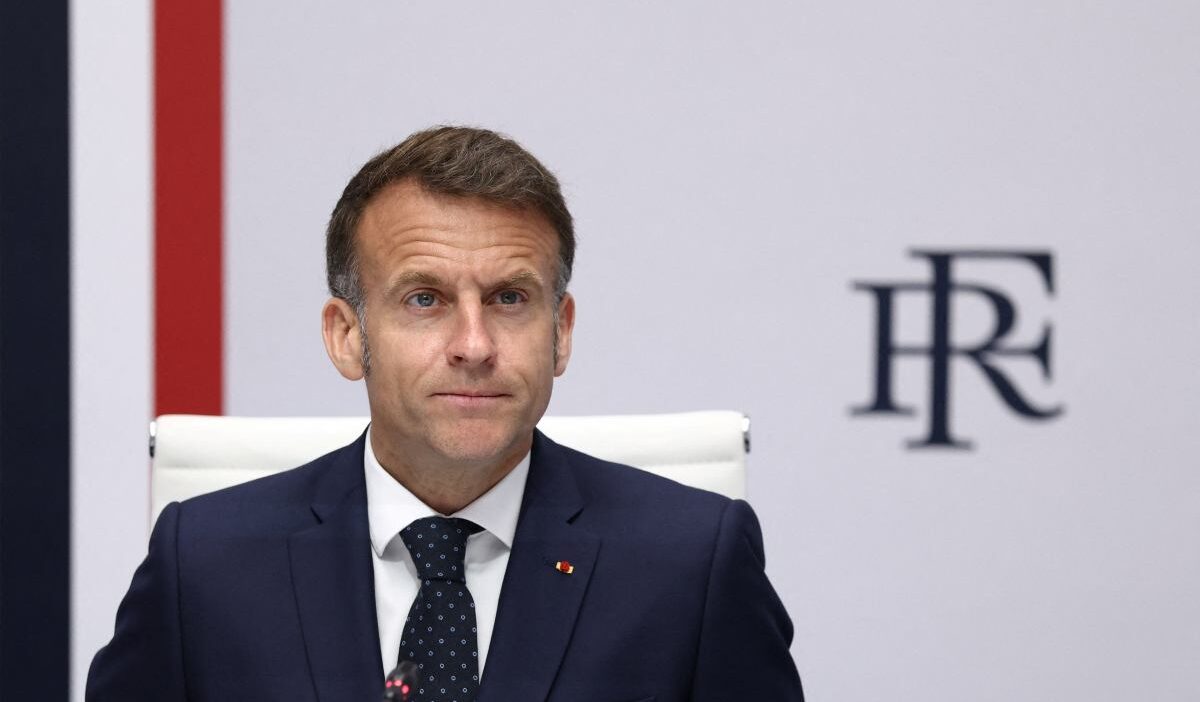
Following a US-Iran ceasefire, France’s Macron stated numerous countries wish to participate in securing the Strait of Hormuz, contingent on adherence to the truce.
US-Iran Ceasefire and Strait of Hormuz Reopening
The United States and Iran agreed to a two-week ceasefire on the night of April 7-8, just before a deadline set by President Donald Trump. A key element of the Pakistan-mediated truce is the reopening of the Strait of Hormuz.
UK Prime Minister to Visit Persian Gulf States
British Prime Minister Keir Starmer will travel to Persian Gulf countries to discuss restoring navigation in the Strait of Hormuz, his office announced Wednesday morning. He welcomed the ceasefire and emphasized the need to support and solidify it into a lasting agreement.
Details of Starmer’s Visit
Starmer will hold bilateral meetings with “partners from the Persian Gulf” and “regional leaders” on Wednesday, focusing on “practical actions” to restore freedom of navigation in the Strait of Hormuz. He will first meet with Royal Air Force personnel in the region who participated in intercepting Iranian retaliatory attacks.
Turkish Reaction to Ceasefire
Turkey’s Foreign Ministry called on all parties involved in the conflict to respect the ceasefire agreement. The ministry stated that a lasting peace can only be achieved through dialogue, diplomacy, and mutual trust, and Ankara declared its willingness to support further peace negotiations.
Turkey’s Involvement and Defense Systems
Turkey is not a party to the conflict between Israel, the US, and Iran, but Iran launched several ballistic missiles towards its territory during the recent hostilities. All missiles were intercepted by air defenses without causing damage. Additional US Patriot missile defense systems were deployed in southeastern Turkey near the NATO Kurecik radar base in Malatya, and a Spanish contingent with Patriot systems is also stationed at Incirlik Air Base.