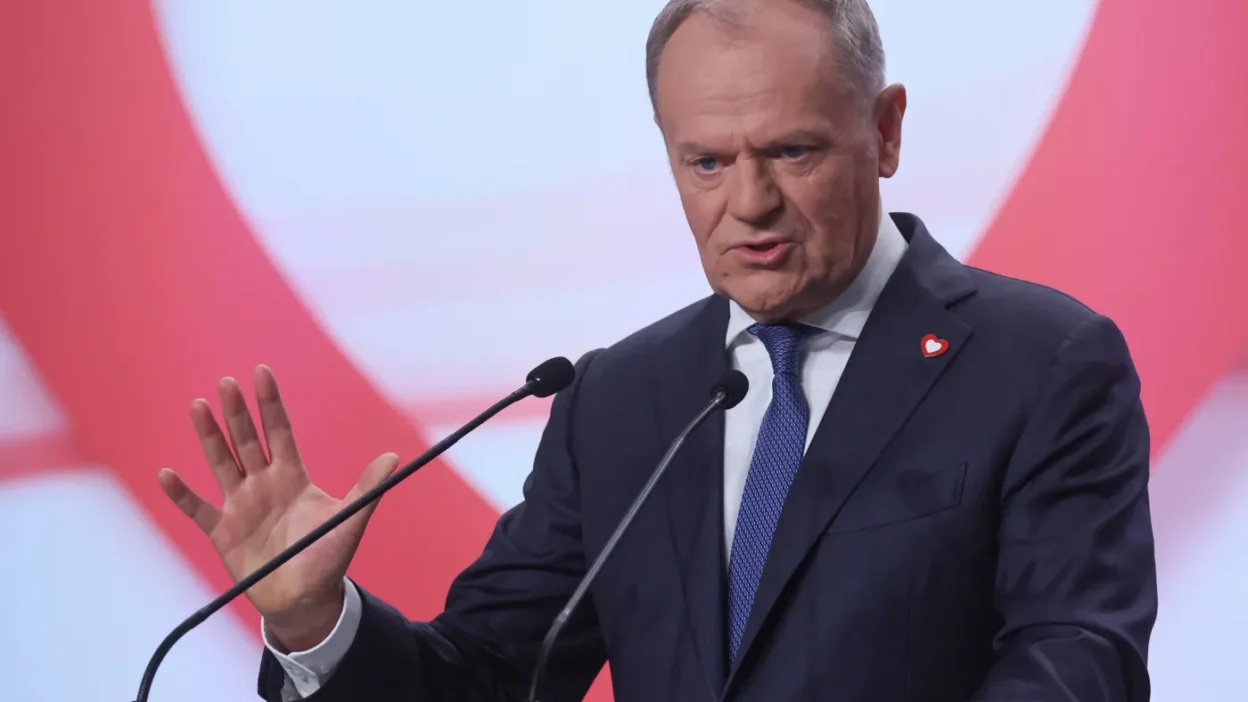
Polish Prime Minister Donald Tusk outlined a five-point strategy allegedly used by Russia to destabilize the West, drawing parallels to actions within the Polish opposition.
Weakening the European Union
Prime Minister Tusk identified attempts to weaken the European Union as the first element of what he termed “Putin’s fifth column.” He stated Russian actions focus on fueling anti-EU sentiment and bolstering political groups that question European integration, a systemic strategy visible across the EU.
Undermining Polish-Ukrainian Relations
The second pillar of this concept involves disrupting Polish-Ukrainian relations. Despite the social and economic costs of accepting refugees, Tusk emphasized that supporting Ukraine remains crucial for Poland’s security, arguing that weakening solidarity between Warsaw and Kyiv would be a strategic win for Moscow.
Conflict with Germany and Eroding Alliances
Tusk highlighted that a third objective of Russian policy is to create tensions between Poland and Germany. He underscored the importance of regional cooperation – encompassing Scandinavian, Baltic, and Romanian countries – as a foundation for European security.
Blocking Defense Funding and Security
According to the Prime Minister, the fourth element of “Putin’s fifth column” is blocking funds for defense development. Tusk referenced European initiatives to finance armaments, stating that delaying or sabotaging them serves Russian interests. Increased defense spending has become a central debate in Europe since Russia’s full-scale invasion of Ukraine in 2022.
Weakening Democratic Institutions
The fifth point concerns weakening democratic institutions. Tusk noted that undermining the independence of courts and disputes over bodies like the Constitutional Tribunal align with broader actions targeting liberal democracy. Destabilizing the rule of law, he argued, advances Kremlin interests by diminishing the cohesion and responsiveness of Western nations.
Drawing Parallels to the Kaczyński Camp
The most controversial aspect of Tusk’s speech was equating Russian actions with those of the Polish opposition, particularly the group around Jarosław Kaczyński. Tusk asserted that elements of “Putin’s fifth column” are reflected in the actions of his political opponents.
He cited criticism of the EU, disputes with Ukraine, and conflicts with Germany as examples of actions that, in his view, benefit Russia’s strategy, prompting immediate condemnation from opposition politicians who dismissed the accusations as a political campaign tactic.
Regional Context and Hungary
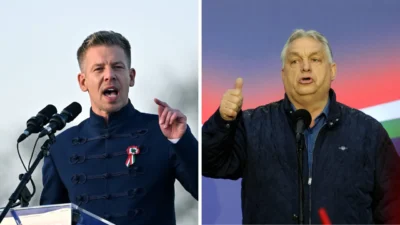
Tusk also referenced the political situation in other regional countries, including Hungary. Relations between Hungary and EU institutions have been strained, frequently appearing in analyses concerning EU unity regarding Russia. Experts suggest Budapest’s policies toward Moscow challenge a unified European strategy, particularly concerning sanctions and support for Ukraine.