High-stakes negotiations between US and Iranian representatives are taking place in Pakistan, as President Trump asserts military dominance and addresses the critical Ormuz Strait.
US-Iran Negotiations in Pakistan
Negotiations between the US and Iran commenced in Pakistan on Saturday, April 11th, six weeks after the start of the conflict. Representatives from both sides are discussing potential steps toward ending the war, with CNN characterizing the talks as “high-stakes” given the broader implications for the Middle East.
Initial reports of the negotiations came from US and Iranian media, including CBS News, Iranian state television, and the Fars News Agency, which is affiliated with the Islamic Revolutionary Guard Corps.
Delegation Composition and Mediation
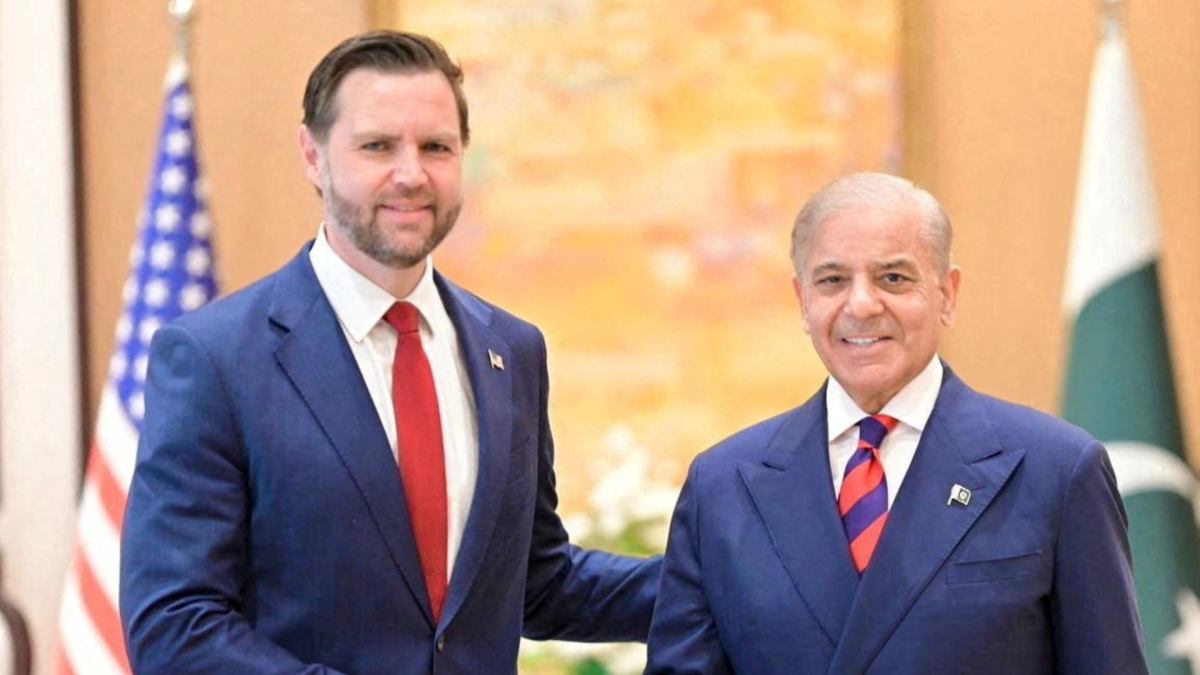
The Iranian delegation is led by Parliament Speaker Mohammad Bager Ghalibaf and includes Foreign Minister Abbas Aragczi. The US delegation consists of Vice President J.D. Vance, Donald Trump’s special envoy Steve Witkoff, and the President’s son-in-law Jared Kushner.
Pakistan is serving as the mediator and host of the negotiations, with Prime Minister Shehbaz Sharif holding separate meetings with both delegations to establish the agenda and format of the discussions. CNN and AP note this direct engagement represents a shift from previous talks conducted primarily through intermediaries.
Trump’s Claims Regarding the Ormuz Strait
During the ongoing negotiations, President Trump posted on Truth Social, claiming Iran is “losing badly” and has suffered significant military setbacks, including the loss of naval and air forces, air defense systems, and missile/drone production facilities.
Trump’s Assertions on Iranian Capabilities
Trump further stated that Iran’s “seniors” are no longer present, and their remaining threat is limited to naval mines, all of which he claims have been sunk. He announced that the US Navy has begun “clearing” the Strait of Hormuz.
Ormuz Strait “Clearing” as a Global Service
Trump characterized the clearing of the Strait of Hormuz as a benefit to countries worldwide, including China, Japan, South Korea, France, and Germany.
Iranian Denial of US Claims
An anonymous Iranian military official refuted Trump’s claims, stating that no US warships entered the Strait of Hormuz on Saturday. According to Reuters, US vessels reportedly withdrew in response to a warning from Iranian command.
Impact of the Conflict on Global Economy
Iran’s blockade of the Strait of Hormuz, a critical waterway for global oil transport (approximately 20% of the world’s supply), is a major economic consequence of the conflict between Iran and Israel/US, which began on February 28th. The blockade has led to significant increases in fuel and fertilizer prices globally. The US is demanding Iran immediately end the blockade.