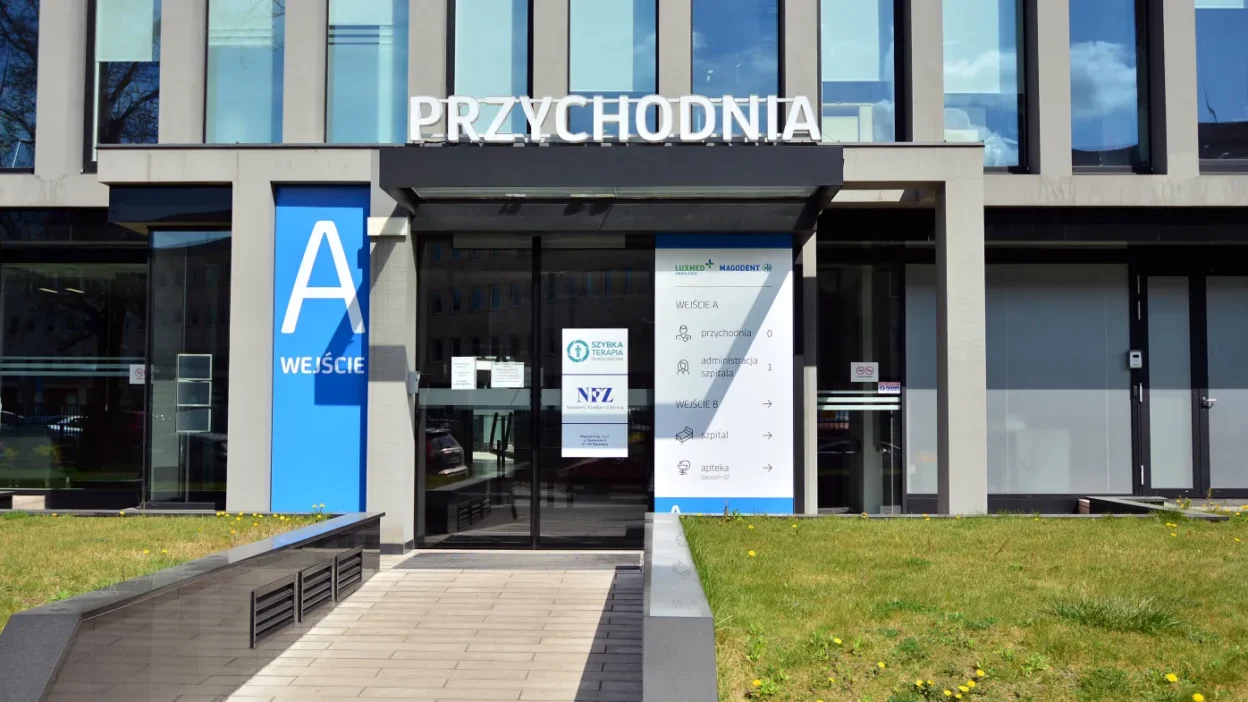
New regulations governing emergency medical kit contents in Poland came into effect today, tailoring requirements to the type and location of care provided.
Five Equipment Variants
The Ministry of Health has differentiated equipment requirements, establishing five main areas of medical activity with separate kits: ambulatory care provided at a patient’s location, dental services, ambulatory care in facilities, non-hospital 24/7 care, and hospital care.
Basic and Comprehensive Kit Contents
The most basic kit, used during home visits, includes essential life-saving medications like adrenaline, captopril, nitroglycerin, glucose solution, hydrocortisone, saline, and a solvent for preparing medications. Standard clinic kits require 15 items, while hospital kits contain 26.
Pharmacotherapy Changes
Naloxone hydrochloride, used to reverse opioid effects, has been removed from ambulatory kits. Conversely, morphine has been added to hospital kits, with strict stipulations for use under qualified supervision and patient monitoring.
A Step Forward, with Logistical Challenges
Medical professionals generally welcome some of the new regulations, but highlight implementation difficulties. Wojciech Pacholicki, of the Federation Porozumienie Zielonogórskie, praised the removal of controversial medications from ambulatory lists, aligning the law with daily practice.
Oxygen Access Concerns
The new regulations impose new obligations on facilities, requiring swift reorganization. The mandatory provision of oxygen is a major concern, extending beyond purchasing cylinders to storage, maintenance, and specialized transport access.
Logistical Barriers to Oxygen Supply
Providing oxygen requires more than just purchasing tanks; it necessitates proper storage, regular servicing, and specialized delivery. Many clinics face technical barriers, such as locations inaccessible to medical gas transport.
Balancing Safety and Practicality
The Federation Porozumienie Zielonogórskie emphasizes that while patient safety is paramount, regulations must consider the practical conditions of healthcare providers. Many primary care clinics operate in buildings lacking extensive infrastructure, creating logistical obstacles.