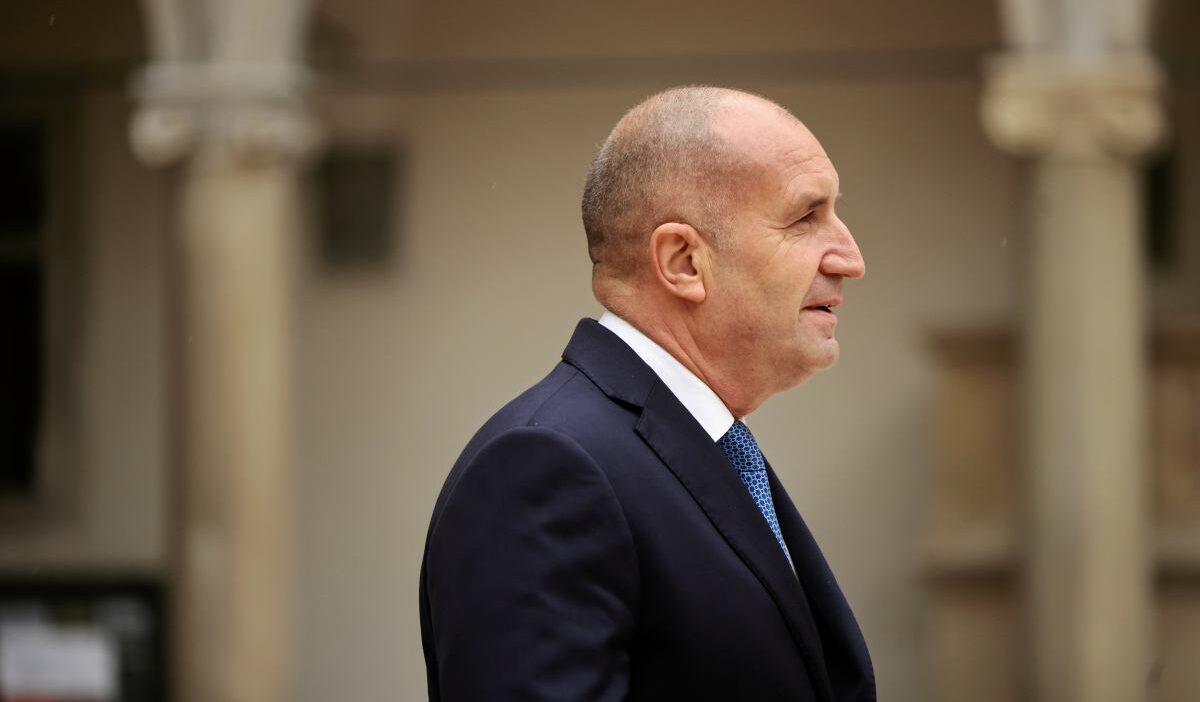
Bulgarians are voting for 240 members of the National Assembly, with early polls indicating a strong lead for former President Rumen Radev and his Progressive Bulgaria coalition.
Parliamentary Elections Underway in Bulgaria
Bulgarian citizens are selecting deputies for the 240-seat National Assembly – a unicameral parliament. Candidates from 14 parties and 10 coalitions are competing for seats.
Leading Polls: Progressive Bulgaria and Rumen Radev
Recent polls from Alpha Research, Myara, and Trend agencies predict an advantage for the Progressive Bulgaria coalition, garnering between 32 and 34 percent support. The coalition is led by Rumen Radev, who recently served as Bulgaria’s president.
Other Key Players and Potential Coalition Formation
The center-right GERB party, formerly led by Prime Minister Bojko Borisov, trails with approximately 19 percent support. The center and pro-Western Continue the Change–Democratic Bulgaria formation is expected to receive around 11 percent of the vote. Polls suggest the new parliament will be comprised of five to six parties and coalitions.
Radev Rules Out Alliances with Controversial Figures
Radev has already excluded alliances with GERB and the DPS-New Beginning party, associated with oligarch Delian Peevski, who is subject to sanctions in the US and UK due to corruption allegations.
Eighth Parliamentary Election in Five Years
These elections mark the eighth parliamentary vote in Bulgaria in five years. Numerous coalitions have formed during this period, but none have lasted longer than a year, often lacking sufficient votes to establish a stable governing majority.
Bulgaria’s Electoral System and the Rise of Smaller Parties
Bulgaria’s electoral system favors smaller parties. Combined with a 4 percent electoral threshold, this has led to the emergence of numerous small parties based around strong leaders, often with short-lived political presence. Jan Nowinowski, an analyst at the Centre for Eastern Studies, explains this dynamic.
Concerns Over Voter Turnout and Growing Disengagement
Recent elections have seen voter turnout below 40 percent, indicating potential voter fatigue. Turnout has consistently decreased since 2021, reaching only 39 percent in October 2024.
Potential for Increased Turnout Due to Recent Protests
However, experts anticipate a potential increase in turnout, influenced by last year’s mass protests in Bulgaria. These protests are estimated to mobilize previously non-voting citizens, and the high turnout in Hungary may also encourage participation. Current forecasts suggest at least 50 percent turnout, representing a noticeable increase.
Corruption Concerns and Radev’s Appeal
Frequent reports of corruption discourage Bulgarian citizens from voting. However, Radev enjoys high public trust, around 40-45 percent during his presidency, while other politicians struggle to exceed 15 percent. Progressive Bulgaria’s campaign has focused on promises to combat corruption.
Allegations of Vote Buying and Government Response
The Bulgarian Ministry of Interior reports instances of vote buying ahead of the elections. Over 500 individuals have been detained in connection with this practice, and authorities have confiscated over 1 million euros in cash. The price of a single vote is estimated to be between 50 and 100 euros.
Vote Buying Tactics and Targeting of Vulnerable Populations
Vote buying frequently occurs in stores frequented by Bulgaria’s poorest citizens, where debts are forgiven in exchange for votes. Transactions also occur through transfers to payment cards. While not new, the scale of vote buying is reportedly five times larger than in the 2024 elections, prompting the launch of dedicated hotlines and email addresses for reporting.
DPS-New Beginning and the Problem of Vote Buying
The DPS-New Beginning party, associated with oligarch Delian Peevski, is reportedly a leading participant in vote buying, particularly in regions with significant Roma and Turkish minorities. However, the current technical government of Bulgaria, composed of experts rather than politicians, is actively addressing the issue, with frequent reports of confiscated funds.
Potential for Pro-Russian Shift Under Radev’s Leadership
There are concerns that a Radev-led government could lead Bulgaria towards closer ties with Russia, or at least a normalization of relations. Radev has been compared to Viktor Orbán for his avoidance of criticizing Russia’s full-scale aggression against Ukraine and his opposition to Sofia’s military support for Kyiv.
Radev’s Pragmatism and Focus on Domestic Policy
However, analysts suggest Radev’s rhetoric regarding Russia may be geared towards attracting pro-Russian voters and may not reflect his actual intentions. He is considered a pragmatist and is unlikely to engage in open conflict with the EU, focusing more on domestic policy during his campaign.