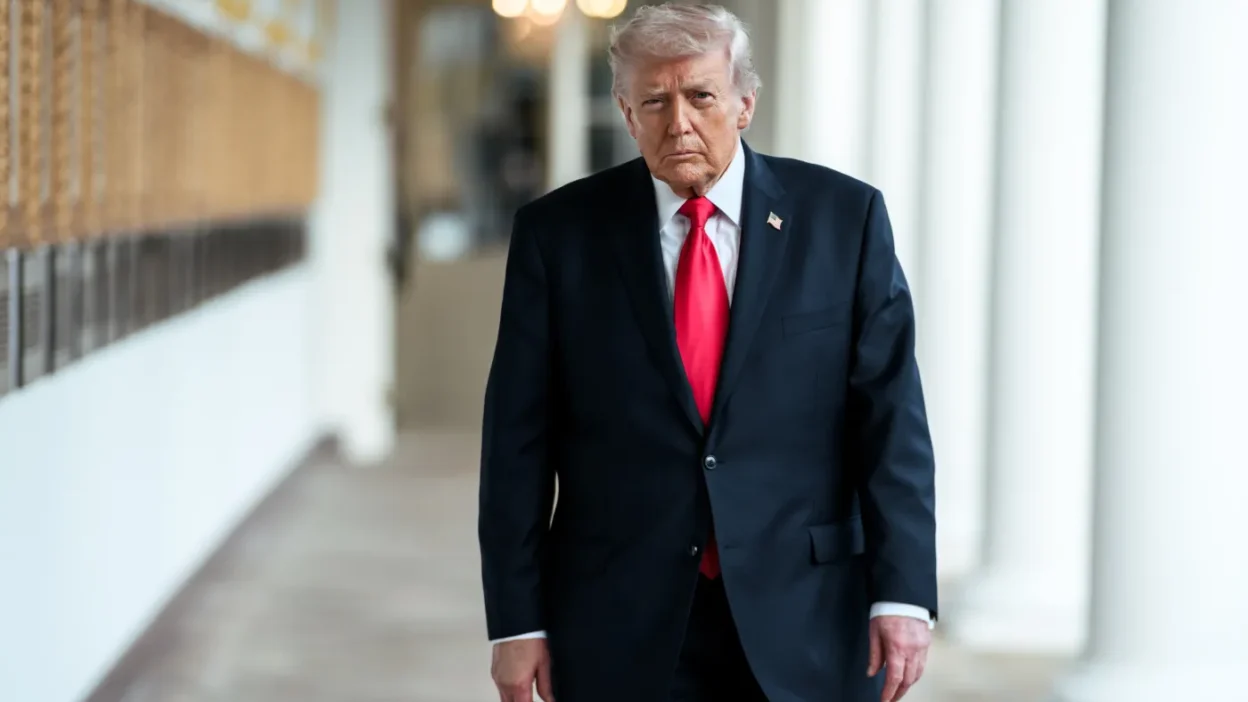
During a critical operation to rescue an American aviator in Iran, top U.S. military advisors deliberately isolated President Trump due to concerns about his unpredictable reactions.
Trump Feared a Repeat of 1979
Sources close to the administration indicate that Trump was deeply agitated, spending hours yelling at staff in a nearly empty West Wing. His primary concern stemmed from the historical trauma of the 1979 hostage crisis, which contributed to Jimmy Carter’s electoral defeat.
The President privately expressed fears that a similar scenario could cost him re-election, a concern advisors believed impaired his ability to rationally assess the tactical situation.
Generals’ Decision to Limit Trump’s Access
U.S. military advisors made a deliberate decision to exclude Donald Trump from real-time monitoring of the secret operation to extract the aviator from Iran. Instead of minute-by-minute updates, the President received briefings only at “key moments.”
Military officials feared his growing irritation and tendency toward impulsive intervention could destabilize the high-risk rescue mission.
Operation Faced Technical and Logistical Challenges
The operation, conducted over the Easter weekend, was fraught with significant technological and logistical risks. Rescue aircraft briefly became stuck in Iranian sand, echoing historical complications known as the “blood and sand” syndrome.
Despite these difficulties and the need for complex diversionary maneuvers, U.S. forces successfully evacuated the aviator. Vice President JD Vance and Chief of Staff Susie Wiles monitored progress from separate locations, away from the main decision-making center.
Contradictory Messaging from Trump
The report reveals a disconnect between President Trump’s public rhetoric and his private strategic decisions. While Trump threatened Iran with “hell” and the destruction of its civilization on social media, he internally acted as a key restraint against a land invasion and the capture of the strategic island of Kharg.
The President firmly rejected military plans, fearing high casualties and describing American soldiers as “easy targets.” This private caution contrasts sharply with his public image, where he readily speculates about awarding himself the Medal of Honor for alleged bravery.
Rising Tensions and Shifting Priorities
The situation in Washington is increasingly tense as the conflict with Iran surpasses the six-week deadline Trump promised for its resolution. Instead of focusing on a unified exit strategy, the President reportedly spends considerable time tracking statistics on destroyed targets and overseeing the construction of a new ballroom at the White House.
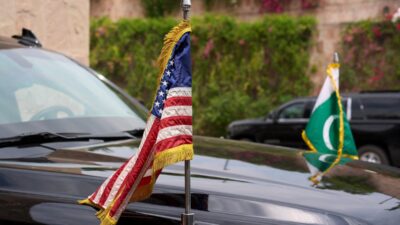
While U.S. allies in Europe, including Prime Minister Keir Starmer and President Emmanuel Macron, view U.S. actions skeptically, the administration hopes for peaceful talks mediated by Pakistan.