Poland commemorated the 83rd anniversary of the Warsaw Ghetto Uprising with ceremonies, while facing attempts to disrupt the symbolic daffodil distribution.
83rd Anniversary of the Warsaw Ghetto Uprising
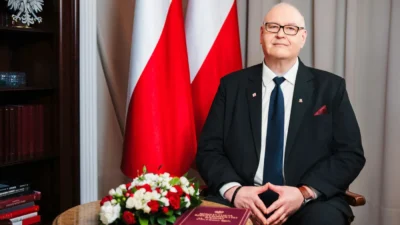
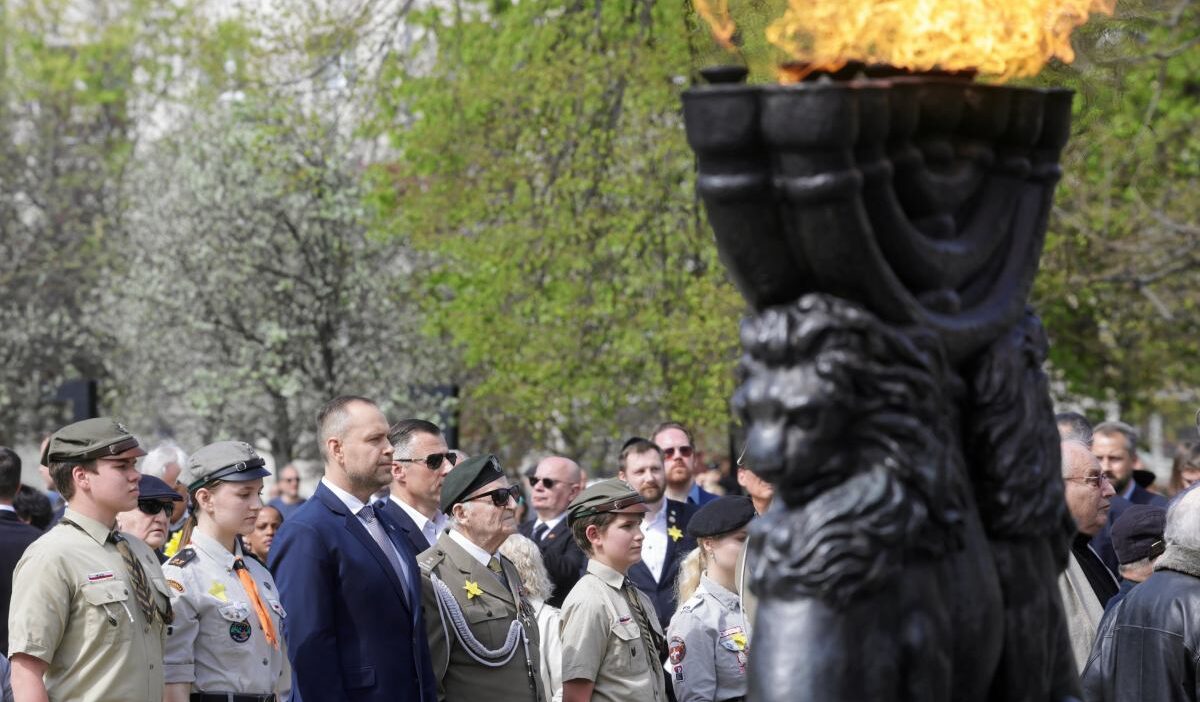
Today marks the 83rd anniversary of the outbreak of the Warsaw Ghetto Uprising. The event was commemorated with a ceremony attended by President Karol Nawrocki, Sejm Marshal Włodzimierz Czarzasty, and Senate Marshal Małgorzata Kidawa-Błońska.
The “Daffodils” Campaign and Attempts at Disruption
The POLIN Museum of the History of Polish Jews once again organized the “Daffodils” campaign, part of the anniversary observances. Museum staff and volunteers distributed daffodils, symbolizing remembrance of the fighters and civilians who hid in the ruins of the ghetto.
Right-wing groups attempted to boycott the campaign, seeking to link the tragedy of World War II with the current situation in Palestine. Despite this, 400,000 daffodils were distributed, with nearly all attendees wearing them—except President Nawrocki, who did not display one.
The Largest Armed Uprising of Jews During WWII
The Warsaw Ghetto Uprising is remembered as the largest armed uprising of Jews during World War II and the first urban uprising in German-occupied Europe. Politicians and institutions shared commemorative posts on social media.
Remembering the Uprising and its Participants
The uprising, which began on April 19, 1943, saw a few hundred young people from the Jewish Combat Organization (ŻOB) and the Jewish Military Union (ŻZW) confront 2,000 German soldiers attempting to liquidate the ghetto. Led by Mordechai Anielewicz, the insurgents were outnumbered and poorly armed, but chose to fight rather than surrender.
Approximately 50,000 civilians hid in bunkers and shelters during the four-week suppression of the uprising. The Germans systematically destroyed the ghetto, killing those captured or deporting them to extermination camps.
Anielewicz and dozens of fighters committed suicide on May 8th when surrounded. Few managed to escape through the sewers. The Great Synagogue was blown up on May 16th, marking the end of the Warsaw Ghetto. Only a small number of Jews remained hidden in the ruins, with the last leaving in January 1944.