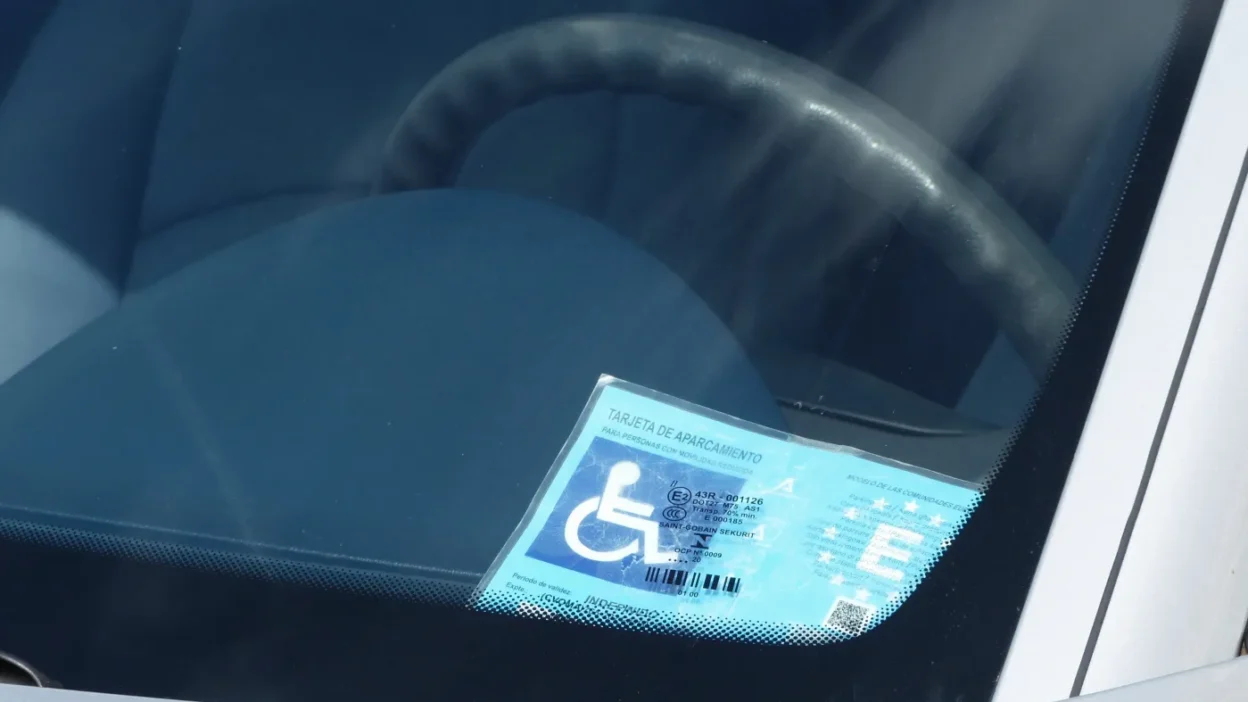
Poland’s Ministry of Family, Labour and Social Policy has proposed changes eliminating the requirement for severely disabled individuals to apply for parking permits in person.
Key Changes to the Regulations
The proposed changes aim to remove a bureaucratic barrier for individuals with significant mobility limitations. Currently, those with severe disabilities were required to appear in person at the County Team for Disability Assessment (PZON) to apply for a parking permit.
The new regulation, drafted by Secretary of State Maja Nowak, will eliminate this requirement, with exceptions previously limited to minors and legally incapacitated individuals now extended to adult citizens with mobility impairments.
Why the Changes Are Being Introduced Now
The current system, implemented in 2013, was intended to prevent fraud and tighten the permit issuance process. However, the Ministry acknowledges that this “tightness” negatively impacted those most in need, receiving numerous complaints from individuals unable to physically reach the offices.
The Ministry states that the existing requirement “constitutes a significant barrier for people with the most severe mobility limitations, in many cases preventing them from exercising their entitlement.”
Poland Follows European Examples
An assessment of the regulations indicates that Polish rules were among the most restrictive in the European Union. Most EU countries offer more flexible application procedures, including options for postal, email, or proxy submissions.
Here’s a comparison of application methods across several European countries:
Germany: By mail, email, or through a proxy
Who Will Be Affected by the Amendment?
The changes are expected to benefit nearly one million Polish citizens. The Biuro Pełnomocnika Rządu do Spraw Osób Niepełnosprawnych estimates that the new rules will simplify the process for a large segment of the population.
For the 295 county teams, the change is expected to reduce in-person visits, potentially leading to shorter queues and more efficient service for other matters.
When Will the Changes Take Effect?
The draft, dated March 2026, is currently undergoing public consultation, with input expected from organizations such as the Polish Association of the Deaf, the Active Rehabilitation Foundation, and the Integration Foundation. If the legislative process proceeds as planned, the new regulations could be in effect this quarter.
Applications submitted before the new rules take effect will continue to be processed under the existing regulations. Individuals planning to apply are advised to monitor official announcements from the MRPiPS.