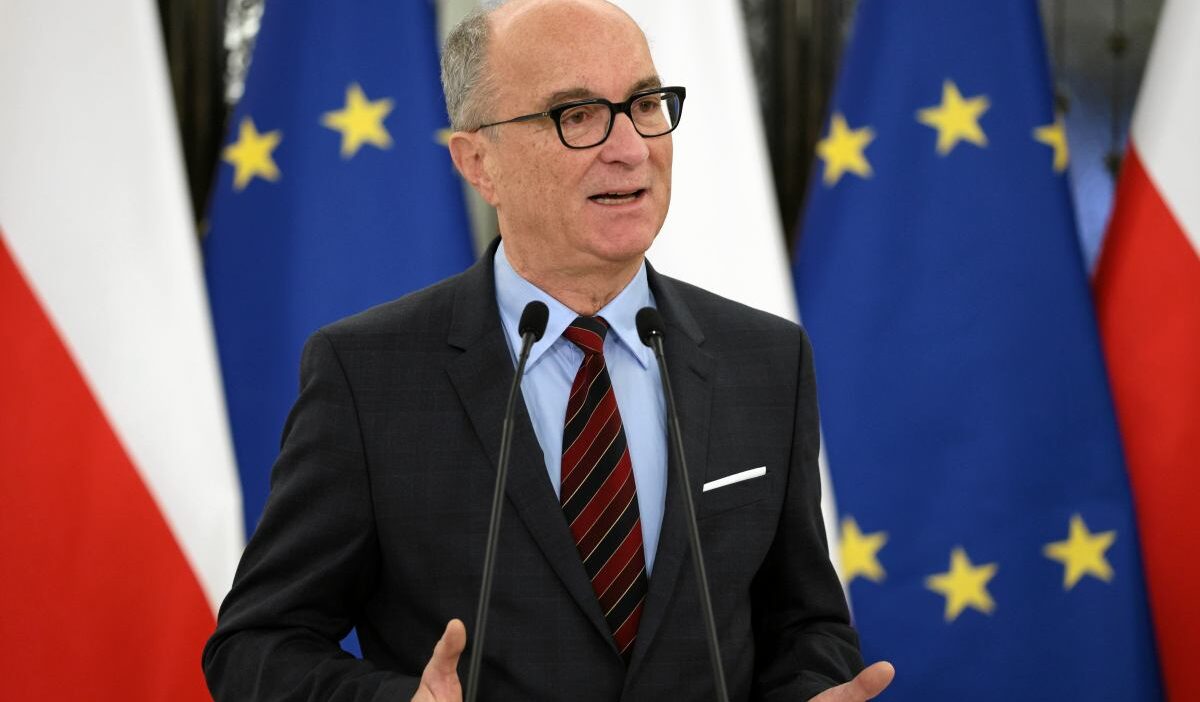
A motion to dismiss Climate and Environment Minister Hennig-Kloski, signed by around 100 lawmakers, is scheduled for debate in the Polish Sejm on April 30th.
Motion for Dismissal of Hennig-Kloski Submitted
A motion to dismiss Hennig-Kloski from her position as Minister of Climate and Environment, supported by approximately 100 members of parliament including those from Konfederacja and PiS, was submitted to the Sejm in late March.
Regulations stipulate that the motion must be considered during a session scheduled for April 28-30. Marshal Czarzasty confirmed it is on the agenda for Thursday, April 30th.
Left Coalition Expresses Loyalty
The Chairman of the New Left party stated that he does not need to persuade members of his faction to defend the ministers of the government, which the Left is a part of.
Concerns Raised Over “Clean Air” Program
Marshal Czarzasty also addressed reports of potential irregularities surrounding the “Clean Air” program, stating that the prosecutor’s office and courts should investigate any ambiguities.
He added that those responsible, if necessary, should be punished.
Konfederacja’s Motion Creates Coalition Discord
Commentary suggests Konfederacja underestimated the disruption their motion would cause within the coalition, with Polska 2050 reportedly outmaneuvered.
Government Support for Minister Hennig-Kloski
Czarzasty characterized the motion as “currently a political motion.” He affirmed the coalition’s loyalty to the government and its implementation of Left party programs.
He stated the importance of taking responsibility for the government’s ministers.
Allegations Against Hennig-Kloski Detailed in Motion
The motion for Hennig-Kloski’s dismissal cites a lack of action to mitigate the negative impacts of EU climate policy on Poland, particularly regarding the ETS system, chaos surrounding the “Clean Air” program, and neglect in preparing the energy and wood sectors for pellet availability during the 2025/26 heating season, as well as alleged “sabotage of the state” by attempting to base energy sovereignty on renewable energy sources.