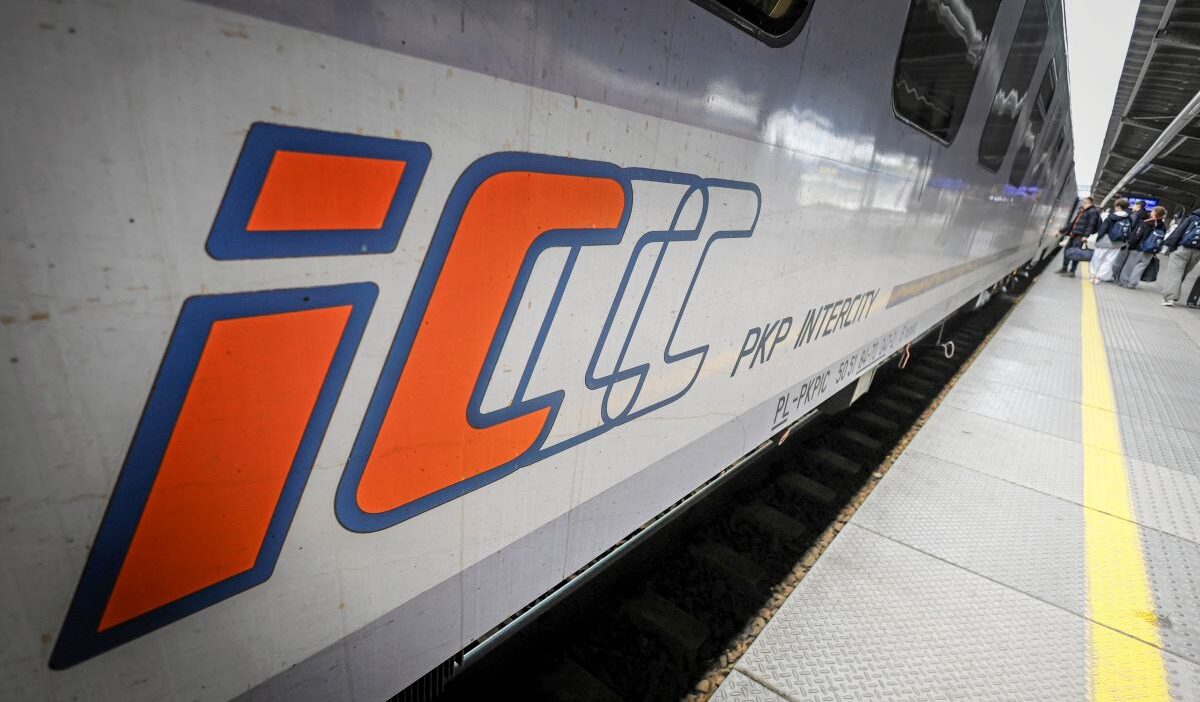
PKP Intercity reduced the speed of some trains after a wheel rim cracked on a Sunday journey between Iłowo and Działdowo, prompting safety checks.
Incident on Iłowo-Działdowo Line
PKP Intercity initially reported the incident occurred around 2:30 PM on Sunday on the Iłowo-Działdowo section. A wheel rim on a second-class carriage fractured. Railway Portal reports the quick reaction of the train crew likely prevented a disaster similar to the 1998 Eschede train crash, which was also caused by a wheel rim failure.
The Eschede Disaster
The 1998 Eschede train disaster remains Germany’s worst rail accident. The high-speed ICE 884 train, carrying 287 people, derailed while traveling at 200 km/h. The accident involved a collapsed viaduct and crushed carriages, resulting in 101 fatalities and over 100 injuries. A cracked wheel rim was determined to be the cause.
Preventative Measures Taken
PKP Intercity responded swiftly, deploying a replacement train that arrived at the scene at 5:30 PM. Approximately 600 passengers were transferred within an hour, and the original train continued its journey. Detailed technical inspections of all wheelsets have been ordered as a preventative measure.
Service Disruption and Restoration
Services were restored after a complex operation. The first three carriages were moved to Działdowo station, a special trolley was placed under the damaged wheelset during the night, and the final four carriages were removed from the line. The technical team completed the work before 2:00 AM. During the disruption, PKP Intercity and Kolei Mazowieckie honored each other’s tickets between Warsaw Wschodnia and Działdowo.
Speed Restriction Details
As a precaution, PKP Intercity has limited the speed of trains with the affected wheelsets to 140 km/h until further notice. The company confirmed the incident involved IC 1514 “Żeglarz”. A railway commission, including representatives from PKP Intercity and PKP PLK, has been established to investigate the cause, considering potential material defects.
Impact on Train Schedules
The speed restriction currently affects 189 out of 531 trains daily, potentially causing delays of several minutes. The largest recorded delay due to the restriction was approximately 10 minutes.