Russia’s Putin faces a September decision on potential mass mobilization, balancing military needs against the risk of public backlash before parliamentary elections.
Potential for Large-Scale Mobilization
Russia possesses a mobilization potential of millions, but the decision to activate it is primarily political. Putin must decide whether to increase army size at the cost of internal stability or maintain the current force while controlling public sentiment before key September elections.
Ukrainian estimates suggest Russia’s mobilization potential could reach 23 million, far exceeding Ukraine’s estimated 5 million.
Societal and Logistical Constraints
Scale of potential does not automatically translate to capability. Social, economic, and logistical factors are crucial. A modern army requires training, equipment, and support, areas where the Russian military currently faces shortages and rotation issues.
September Elections and Kremlin Concerns
September parliamentary elections are a key political factor. Putin is avoiding actions that could cause public discontent before the vote, despite the elections being controlled.
Lessons from the 2022 Mobilization
The Kremlin remembers the mass exodus following the partial mobilization in 2022, with 1 to 1.5 million people, mainly young and educated, leaving the country. This outflow negatively impacted the economy and demonstrated public reaction to forced state action.
Avoiding a Repeat of 2022
Authorities are now trying to avoid a repeat scenario, making a full or further partial mobilization unlikely before the elections.
Russian Losses and Protest Risks
Russian casualties, including killed and wounded, may reach approximately 1.3 million. This high level of loss, combined with a lack of strategic gains, is affecting public mood.
While open protests are suppressed, the Kremlin fears a build-up of discontent, particularly if mobilization affects broad segments of the population in major cities. Authorities are attempting to limit visibility of the issue and control information flow through internet restrictions.
“Quiet” Mobilization as the Dominant Approach
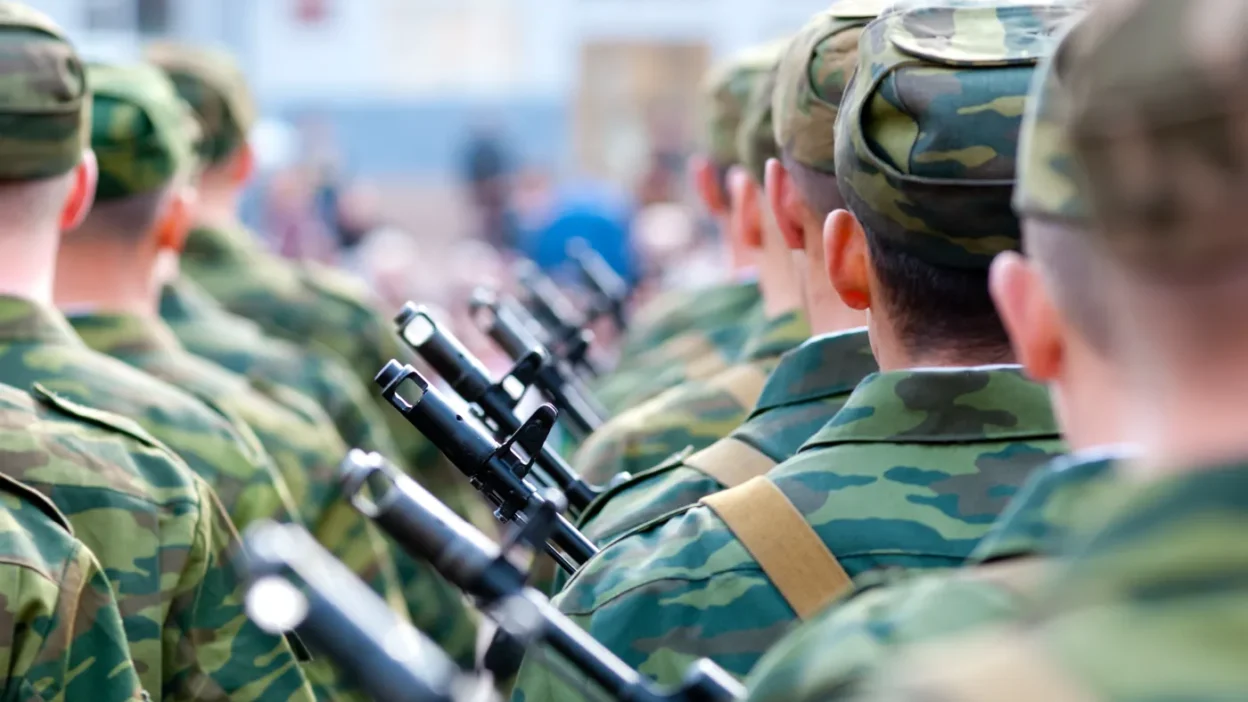
Instead of official decisions, Russia is developing a system of “quiet” army replenishment. This relies on internal reserves and recruitment in occupied territories, limiting social pressure within Russia itself.
Other sources include prisoners recruited into a “special contingent,” often under pressure, and foreign mercenaries, currently numbering around 30,000 with plans to increase to 50,000, primarily from Asia and Africa.
Contract soldiers remain the most significant source, with 420,000 to 450,000 recruited annually, though reports of coercion, especially among conscripts, are increasing.
Year-Round Recruitment System
Russia has moved away from traditional seasonal conscription to a continuous recruitment process, allowing for constant replenishment of losses without major political announcements.
This model is more flexible and less visible, allowing authorities to maintain the narrative of “limited” military operations despite the large-scale engagement.
Impact of Full Mobilization
Experts believe even a full mobilization may not guarantee a military breakthrough, as modern conflicts require advanced technology, logistics, and training.
Currently, Russian society does not appear ready for open revolt, allowing the Kremlin to continue its strategy of gradual, covert force increases without risking internal destabilization.