The ongoing conflict involving Israel, the US, and Iran is causing major oil supply disruptions, pushing prices to levels not seen in four years.
Critical Point on the World Map
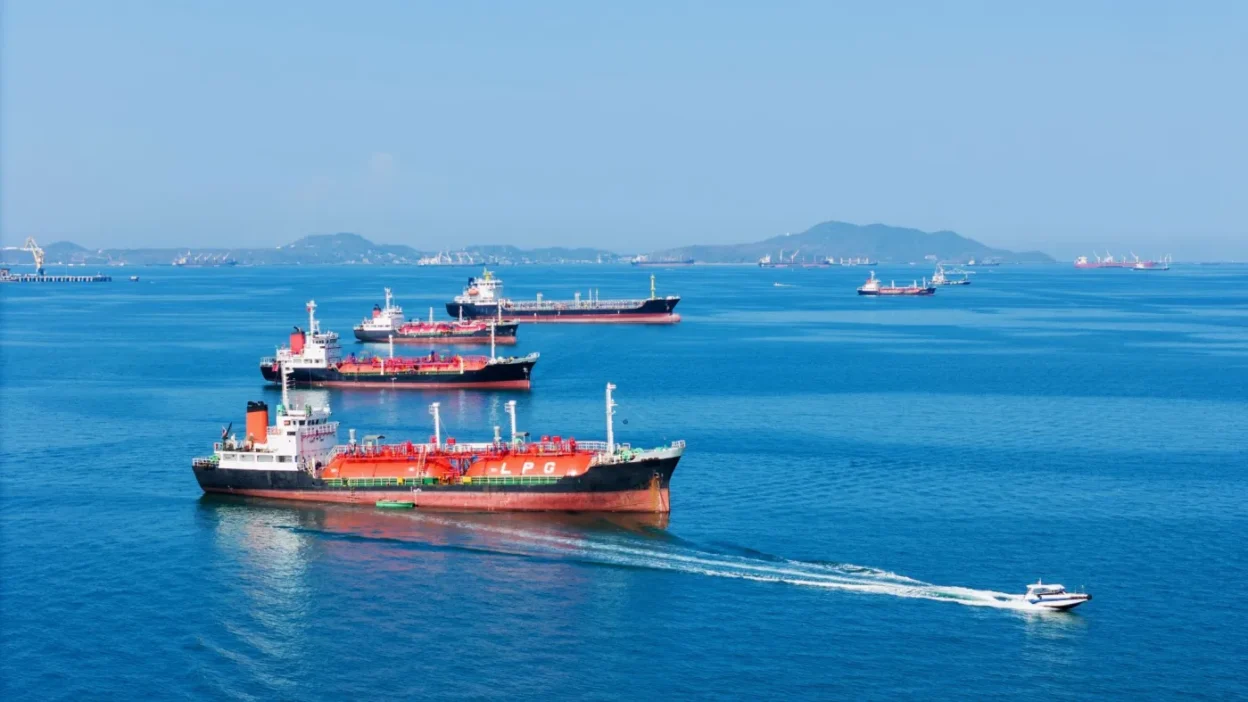
The Strait of Hormuz, a vital waterway for global oil transport handling around 20% of the world’s seaborne oil trade, has experienced actual traffic stoppages during the conflict. The blockade’s consequences are catastrophic for global supply.
Prior to the war, approximately 20 million barrels of oil transited the strait daily. Saudi Arabia is attempting to redirect exports through the Yanbu oil terminal on the Red Sea—exports via this infrastructure have increased to 5 million barrels daily, up from roughly 770,000 barrels before the war, but this remains insufficient.
“Project Freedom” and Escalating Tensions
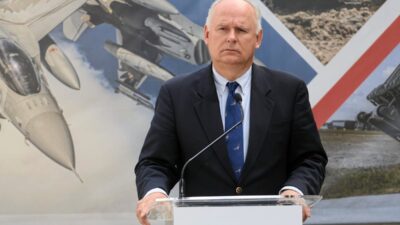
President Trump announced “Project Freedom,” involving the US Navy escorting commercial vessels through the strait, calling it a “humanitarian gesture” and promising a “decisive response” to any interference. Iran has condemned these announcements.
Tanker Traffic Plummets
Despite assurances, transport data from Kpler shows only one oil product tanker entered the Persian Gulf on Sunday, illustrating the significant slowdown in maritime traffic. The Persian Gulf currently holds 31 tankers with 53 million barrels of Iranian oil, valued at at least $4.8 billion; two units have been seized by US forces.
Rising Costs on Both Sides
The conflict’s costs are mounting for both sides. The Pentagon estimates Iran’s losses at nearly $5 billion due to halted oil exports. The Center for Strategic and International Studies calculates US losses at $2.3 to $2.8 billion in aircraft and reconnaissance equipment—excluding damage to bases or naval losses.
Global Economic Forecasts Downgraded
The World Bank forecasts a 24% increase in energy prices in 2026, calling it a historic shock to global markets. Global commodity markets face the most unstable period in four years, with overall raw material costs potentially rising by 16% annually. The IMF has lowered its 2026 global GDP growth forecast to 3.1%, warning that continued tensions could reduce global growth to just 2% in 2027.
OPEC+ Faces Structural Crisis
Amid these events, OPEC+ is experiencing a serious structural crisis. The United Arab Emirates withdrew from OPEC on May 1st, criticizing other Arab nations for inaction regarding Iranian attacks. This is the largest departure in the coalition’s history—Abu Dhabi produced around 3.4 million barrels daily before production cuts, nearly 3% of global oil supply.
Saudi Arabia, Russia, and five other OPEC+ nations increased production limits for June by 188,000 barrels per day, but increased production will largely remain on paper until the blockade of the Strait of Hormuz hinders transport. The organization did not address the UAE’s departure.
UAE production has fallen to 2.16 million barrels per day—the lowest level in 17 years. After leaving OPEC, the country intends to increase production to 5 million barrels per day. Rystad Energy experts indicate that the Emirates accounted for about 25% of OPEC+’s total production reserves, and their departure significantly limits the remaining members’ ability to collectively respond to future supply shocks.
Analyst Warnings and Diplomatic Deadlock
Analysts warn that if other countries follow the UAE’s lead, the supply coordination system could collapse, making the market more vulnerable to political and economic events. Iran stated it is analyzing the US response to its 14-point conflict resolution proposal, delivered via Pakistan.
Iranian media reported the conflict could end if the US lifted the naval blockade in the Strait of Hormuz, agreed to new legal frameworks for transit, and guaranteed a cessation of further military action. Previously rejected by Trump, the plan allowed navigation through the strait and lifted the blockade while simultaneously initiating talks on Iran’s nuclear program. Secretary of State Marco Rubio publicly assessed that Iran is serious about negotiations and wants a peace agreement, while acknowledging that internal divisions within the Tehran regime remain the biggest obstacle.
Price Forecasts Raised
Goldman Sachs raised its fourth-quarter oil price forecasts to $90 per barrel for Brent and $83 for WTI, citing limited production in the Middle East. Analysts warned of extremely high refined product prices and the risk of jet fuel shortages. Rebeka Babin of CIBC Private Wealth Group noted that markets still believe flows in the Persian Gulf will normalize in May and June, helping to keep oil prices at a certain level, but each additional day of the blockade tightens the situation in physical oil markets, reduces necessary buffers, and increases the risk of sharper price increases.