Decisions by the Donald Trump administration to reduce U.S. military presence in Europe have triggered alarm in Warsaw and across NATO’s eastern flank, raising questions about Washington’s long-term security commitments.
The Shift in U.S. Strategy
The Swiss newspaper Neue Zürcher Zeitung (NZZ) reports that signals from Washington regarding military reductions could be interpreted by Russia as a sign of waning U.S. commitment to European security. Poland, a key ally that has consistently invested in its partnership with the United States, feels particularly exposed by these developments.
While discussions regarding military adjustments initially focused on Germany, they have expanded to include countries bordering Russia and Belarus. Recent friction following comments by German Chancellor Friedrich Merz on U.S. policy toward Iran has further complicated the situation.
Concerns Over Indo-Pacific Pivot
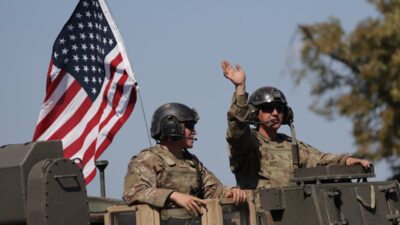
NZZ notes that President Trump has suggested withdrawing at least 5,000 troops from Germany, potentially relocating some to Poland. However, there is growing concern within the U.S. administration about shifting military resources toward the Indo-Pacific region to focus on competition with China.
For Poland, which has treated the U.S. presence as a cornerstone of its defense against Russia, this broader strategic pivot creates significant uncertainty. The country has spent years building logistical hubs and infrastructure specifically to host American forces.
Poland’s Commitment to Defense
NZZ describes Poland as likely the most loyal ally of the U.S. in Europe, maintaining close military cooperation regardless of which party is in power. Unlike other nations criticized by the Trump administration for low defense spending, Poland plans to allocate 4.8% of its GDP to the military in 2026, significantly exceeding the NATO 2% target.
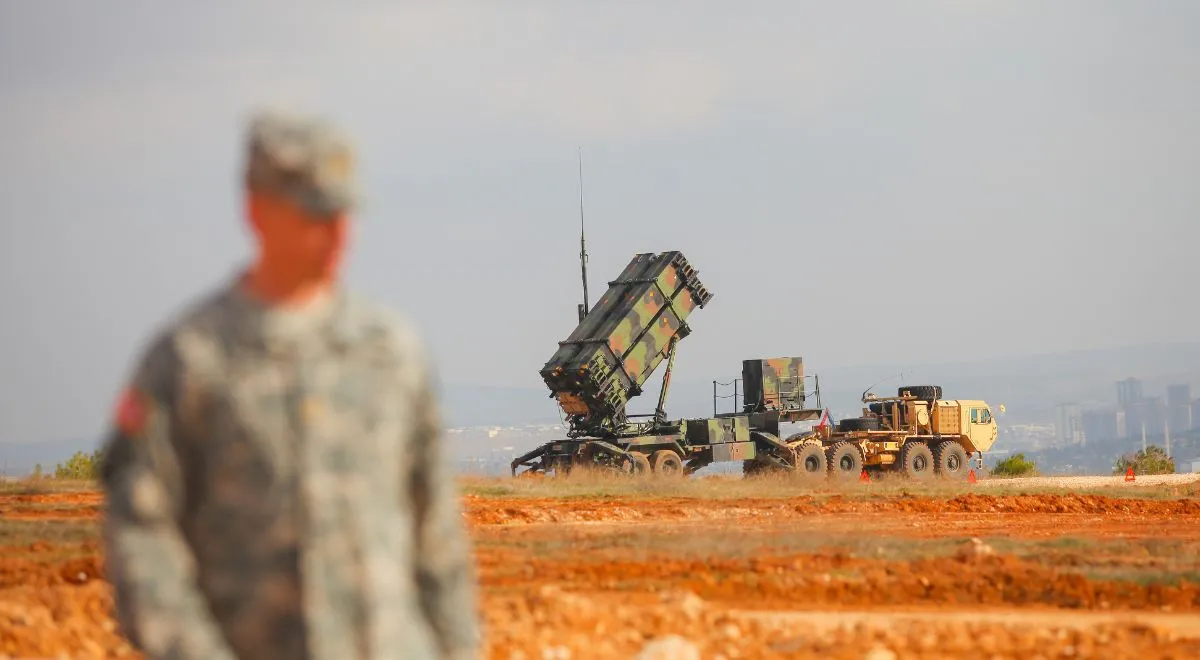
Poland has also finalized massive procurement deals for U.S. and South Korean hardware, including Abrams tanks, HIMARS launchers, Apache helicopters, and Patriot systems, cementing the integration of its national security with American technological and military support.
Managing Diplomatic Tensions
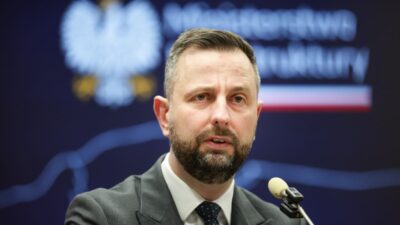
The Polish government, led by Donald Tusk, is attempting to downplay concerns, characterizing the potential troop movements as logistical adjustments that should not undermine NATO’s deterrence. Some military experts agree, emphasizing that overall alliance cohesion on the eastern flank is more critical than individual unit locations.
Despite these reassurances, NZZ highlights that the symbolic impact of such decisions may outweigh the actual military shifts. Any withdrawal from nations bordering Russia risks being perceived as a decline in American resolve.
Political Division in Washington
The debate is not limited to Europe; the U.S. political landscape is increasingly divided. Congressman Don Bacon has publicly warned that reducing forces would be a fatal signal to allies and a slap in the face to the Polish and Baltic people, cautioning that such moves could be leveraged for propaganda by the Kremlin.
Current U.S. law mandates that the Pentagon must notify Congress if troop levels in Europe drop below 76,000 for more than 45 days. With roughly 80,000 troops currently stationed in the region, any significant reduction faces legislative oversight.