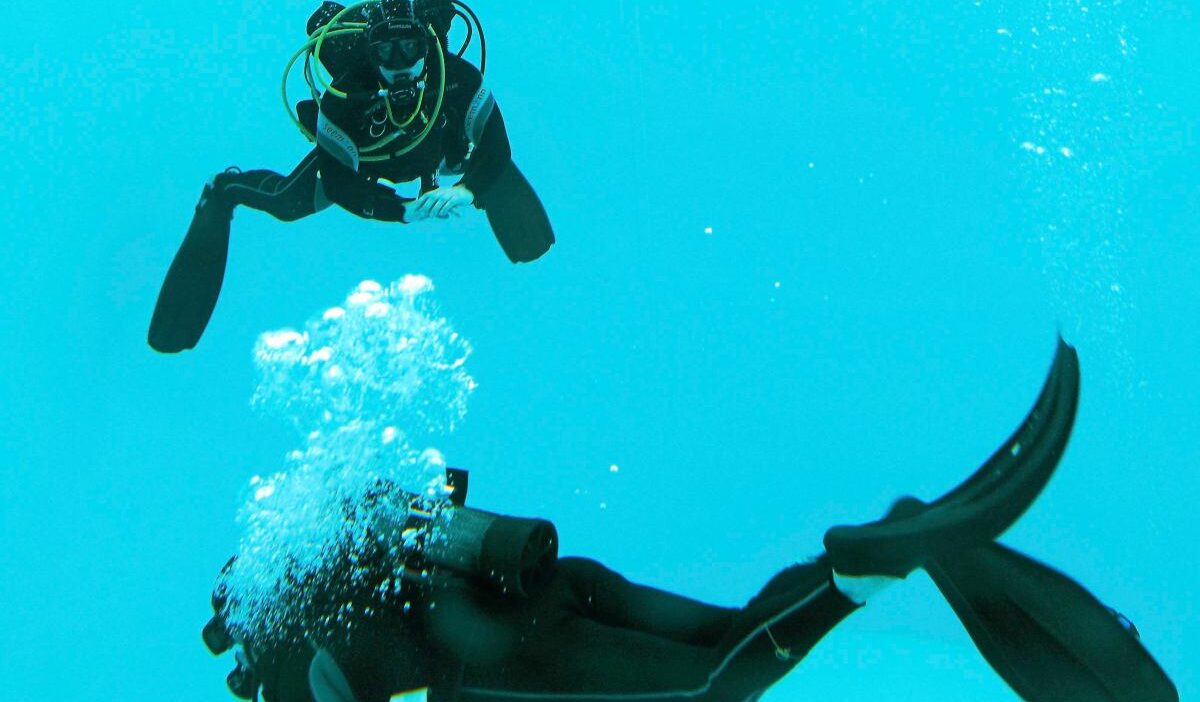
Authorities have recovered the bodies of four Italian divers in a deep-sea cave near Alimathà, marking the largest diving tragedy in the history of the Maldives.
Recovery Operation in Vaavu Atoll
The tragedy occurred last week during a diving expedition near the Alimathà island caves. Search efforts were hampered by adverse weather conditions until a joint team of specialized Finnish and Maldivian divers located the four remaining bodies at a depth of 60 meters. The first victim was recovered shortly after the accident on May 14.
While the bodies have been located in the third section of the cave, the extraction process is still ongoing, requiring further dives. Tragically, a Maldivian military diver also lost his life in the hospital after suffering from decompression sickness while participating in the search operation.
Victims and Circumstances
The victims included four members associated with the University of Genoa—Professor Monica Montefalcone, her daughter, and two researchers—alongside a manager and instructor from the Albatros Top company. A young student from the group was saved by the decision not to participate in the dive.
Investigators are analyzing potential causes, including equipment failure, oxygen toxicity, and depth-related hazards. Reports indicate that one diver’s tank was found completely empty. While the group aimed to collect coral samples, the expedition exceeded the 30-meter limit for recreational diving allowed in the Maldives.
Institutional Response and Investigation
The University of Genoa clarified that this was not an official scientific mission, and the tour operator stated they had not authorized any dives beyond the 30-meter depth limit. The government of the Maldives has suspended the license of the vessel involved in the trip.
Diplomatic services are assisting the victims’ families while authorities in the Maldives and the public prosecutor’s office in Rome conduct separate investigations. This incident has been officially designated as the deadliest diving accident in the nation’s history.