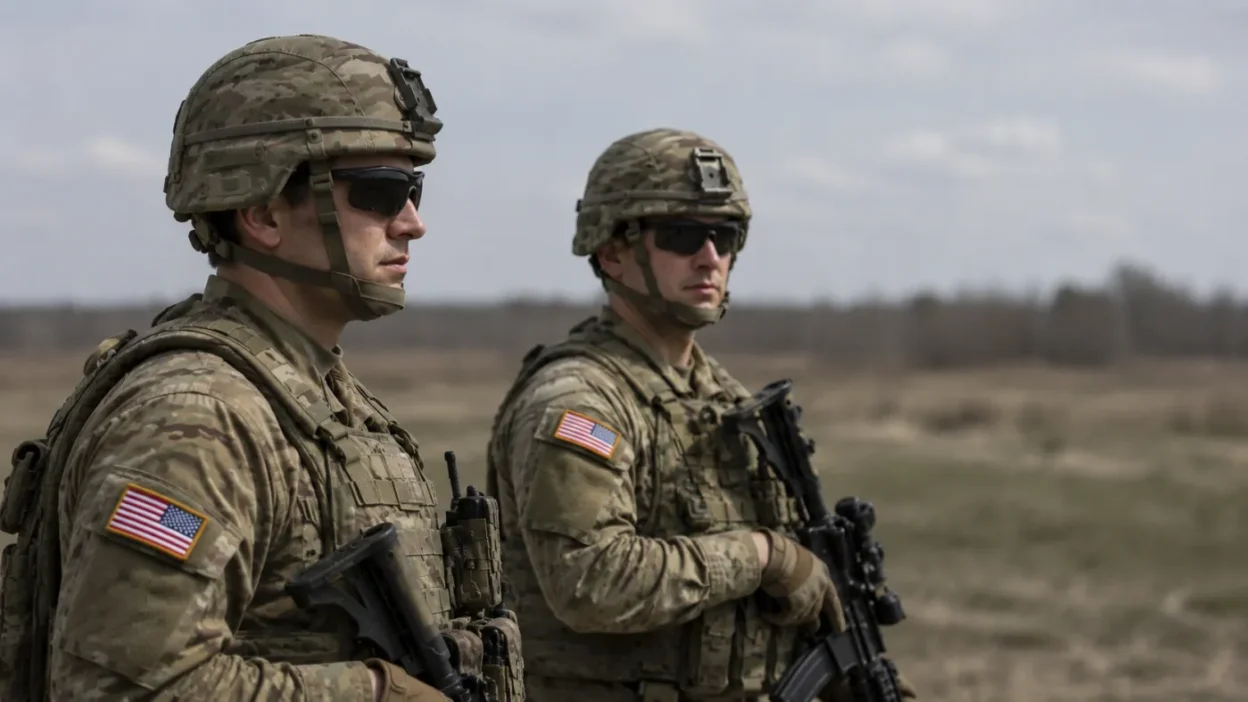
The U.S. Department of Defense has confirmed a reduction of rotational armored brigade combat teams in Europe from four to three, resulting in a temporary deployment delay for forces in Poland.
Pentagon Realigns European Force Structure
The U.S. Department of Defense has officially announced a reduction in the number of rotational Armored Brigade Combat Teams in Europe from four to three. Pentagon spokesperson Sean Parnell stated that this decision follows a comprehensive review of the U.S. military footprint on the continent.
Parnell emphasized that this move aligns with the “America First” policy under the Donald Trump administration, aimed at increasing the security responsibilities of European nations and reducing the burden on the United States. This adjustment returns the number of rotational brigades to 2021 levels.
Impact on Polish Security Commitments
The Pentagon confirmed that this strategic shift will result in a temporary delay in the scheduled deployment of U.S. forces to Poland. Despite this adjustment, Washington continues to label Poland a “model ally” that has consistently bolstered its own defense capabilities.
The Department of Defense affirmed it remains in close contact with Polish counterparts to ensure a continued, robust U.S. military presence in the country. Following the 2022 Russian invasion of Ukraine, U.S. forces in Poland had previously increased to approximately 10,000 personnel.
Diplomatic Consultations and Future Outlook
Reports indicate that Polish Minister of National Defense Władysław Kosiniak-Kamysz was briefed on the decision by U.S. Secretary of Defense Pete Hegseth prior to the public announcement. Minister Kosiniak-Kamysz subsequently maintained that no decision has been made to permanently diminish the operational capabilities of U.S. forces in Poland.
Sean Parnell clarified that the current force posture in Europe is not final. Further strategic and operational reviews are ongoing, meaning future decisions regarding U.S. troop levels on NATO’s eastern flank may follow in the coming months.