A Paris court has overturned its previous acquittal, convicting Air France and Airbus of involuntary manslaughter following the 2009 crash of flight AF447 that claimed the lives of all 228 people on board.
The Legal Ruling
The Paris court ruled that both Air France and Airbus are guilty of involuntary manslaughter, reversing an April 2023 decision that had cleared both companies of criminal charges. Following an appeal, the court imposed the maximum fine of 225,000 euros on each company.
While some families of the victims criticized the financial penalty as merely symbolic, reports indicate the verdict serves as a significant blow to the reputations of both corporations. Both Airbus and Air France have consistently denied the charges, and legal analysts suggest further appeals are likely.
The 2009 Atlantic Disaster
Flight AF447 disappeared from radar during a storm over the Atlantic on June 1, 2009, while traveling from Rio de Janeiro to Paris. The aircraft entered a stall and plummeted 11.5 kilometers into the ocean, resulting in no survivors among the 216 passengers and 12 crew members.
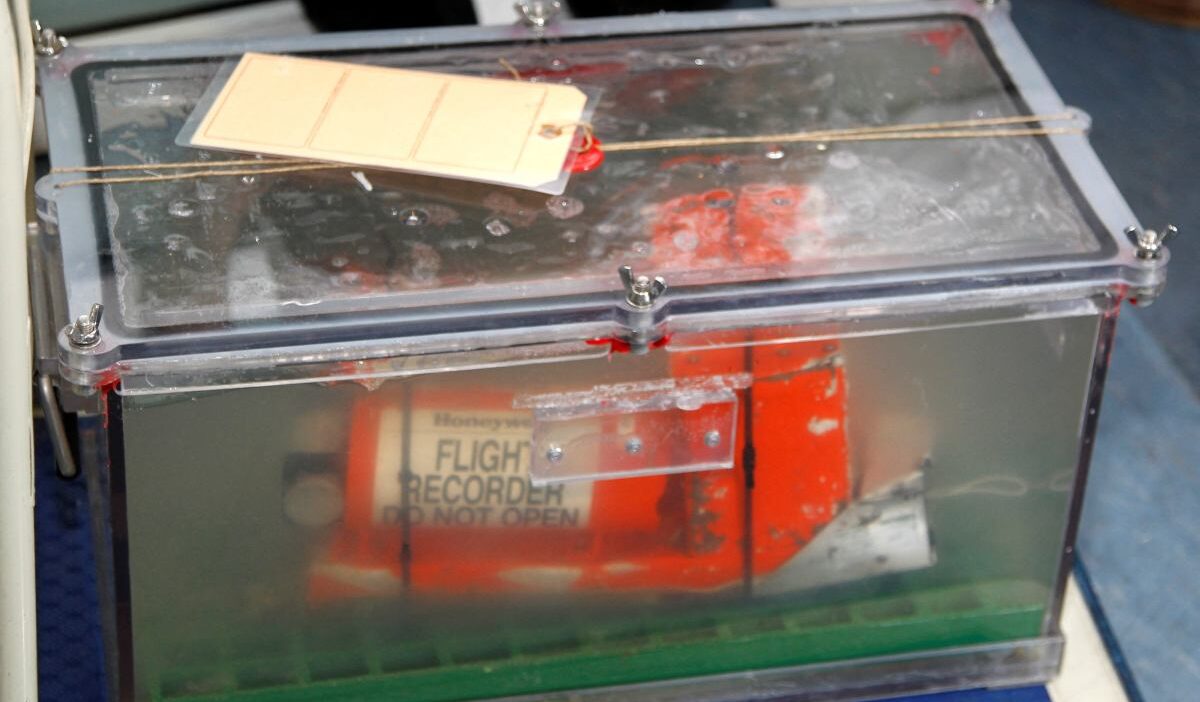
The wreckage and black boxes were only recovered after extensive, difficult deep-sea search operations spanning a 10,000 square kilometer area. In the initial 26 days of the search, 51 bodies were found, some still strapped to their seats.
Negligence and Technical Failure
The court determined the disaster was not caused solely by pilot error, but also by previous negligence from the carrier and the manufacturer. Investigators focused on the Pitot tubes—sensors measuring airspeed—which were found to have iced over and transmitted faulty data to the crew.
Airbus was faulted for failing to adequately warn carriers about the risks associated with these sensors despite prior warnings of technical issues. Air France was found to have failed in providing sufficient training for pilots to handle a scenario involving the loss of reliable speed data, which led to crew disorientation and the subsequent stall.
Years of Seeking Justice
The conclusion of the legal process follows nearly 17 years of waiting for the victims’ families, many of whom attended the final verdict reading. Prosecutors had characterized the companies’ behavior during the trial as unacceptable, citing unconvincing arguments regarding their responsibility for the disaster.