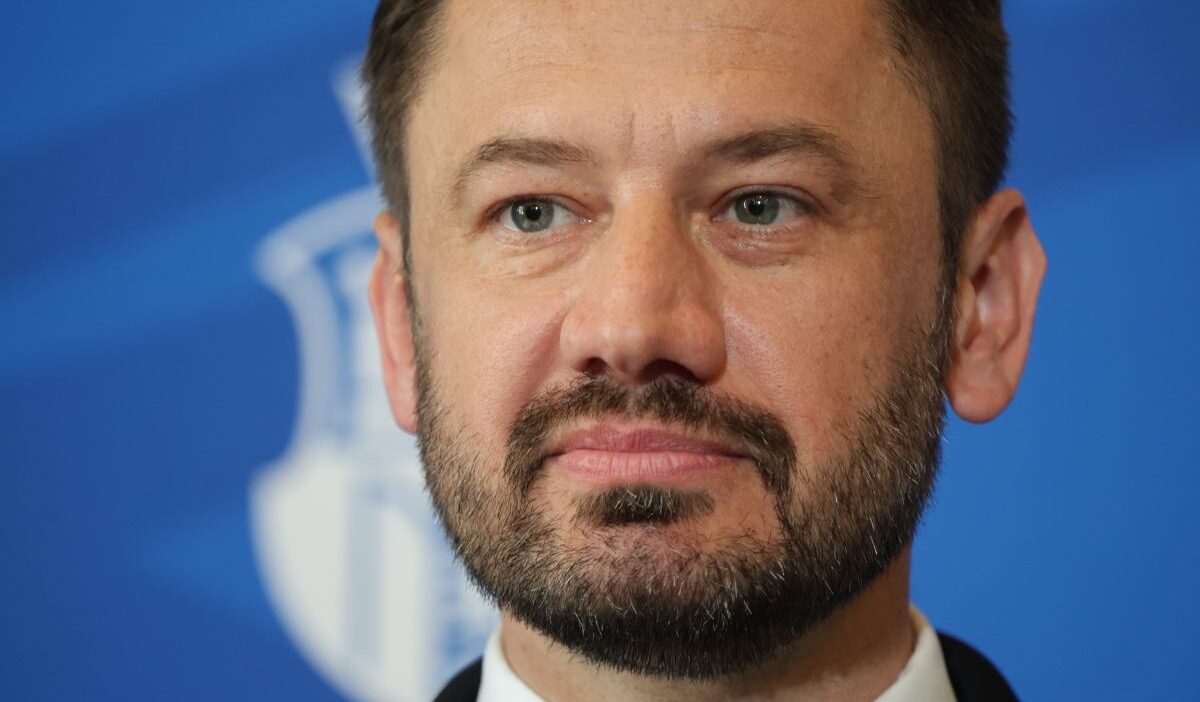
Following his removal from office via a local referendum, former Krakow Mayor Aleksander Miszalski announced he would actively campaign in the upcoming snap elections while reflecting on his tenure.
The Transition of Power
Aleksander Miszalski expressed that while he is not happy with the outcome, the city remains in stable hands under Commissioner Kracik, whose experience will ensure continuity during this transition. Miszalski stated he would remain available to assist Kracik with the handover process if required.
Reflecting on the result, the former mayor thanked both his supporters and his adversaries, as well as those who participated in the referendum and those who chose to abstain.
Failure to Communicate Policy
Addressing the reasons for his recall, Miszalski argued that the city was not managed poorly, but rather that his administration failed to effectively explain key decisions to residents. He highlighted the Clean Transport Zone, municipal finances, and staffing controversies as areas where negative, often manipulated, narratives proved more persuasive than his own.
He defended his record, asserting that Krakow had been moving in the right direction over the past months and defended city employees against what he deemed unfair criticism.
Key Achievements and Future Campaigning
Miszalski cited significant accomplishments, including the initiation of metro construction, the “Krakow Estates Pact,” and improvements in the city’s financial health. He remains the chairman of the Civic Coalition in the Malopolska region and pledged to engage fully in the upcoming campaign to prevent the city from falling into irresponsible hands.
While he did not name a specific candidate for the Civic Coalition, he noted that the field is open and expects the electoral process to be highly competitive, with potential for cooperation with the PSL.
Warning of Political Instability
The former mayor warned that Krakow may face two and a half years of “storm and chaos” if the next president lacks a majority in the city council. He argued that it is unrealistic to expect a complete program implementation within two years and urged a focus on correction rather than dismantling previous efforts.
Miszalski concluded by acknowledging the brutal nature of democratic processes, stating he would accept the referendum results with full respect while considering his future professional options.