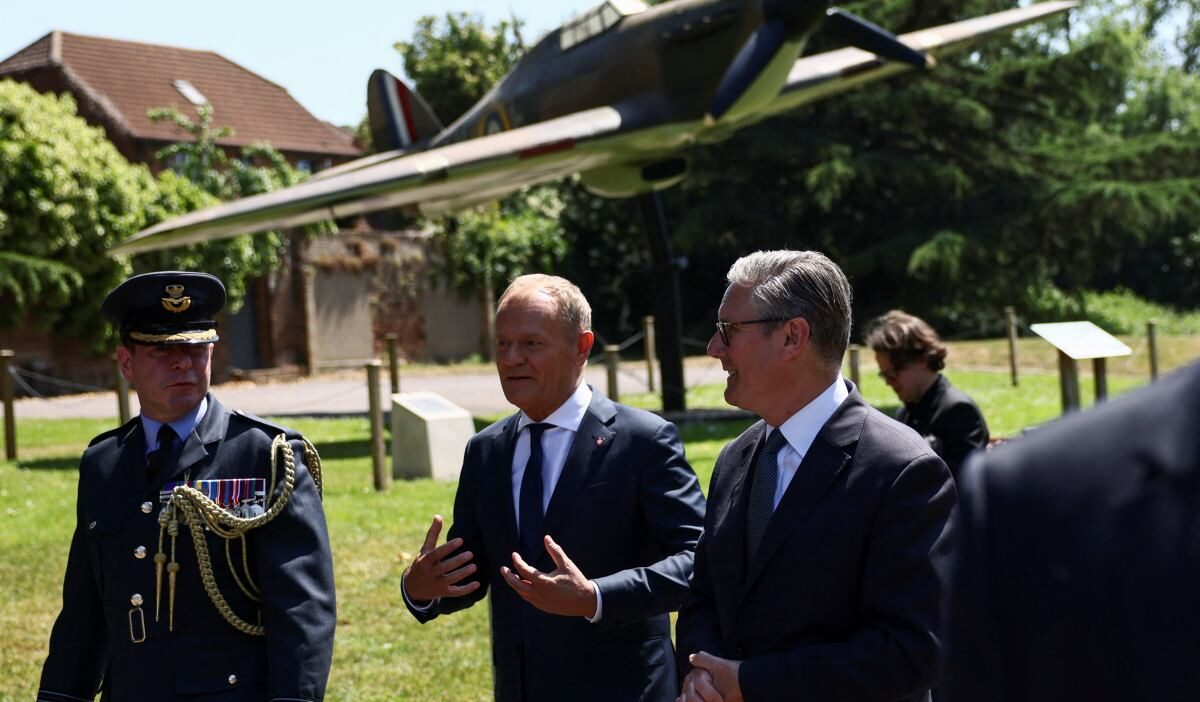
Following an agreement with France in 2025 and ahead of a planned pact with Germany, Prime Minister Donald Tusk and Keir Starmer have signed a new security treaty at RAF Northolt.
A Strategic Safety Net
The recently signed “Northolt Treaty” serves as a core component of the Polish government’s strategy to deepen security cooperation with key European democratic powers. While it echoes the historical significance of RAF Northolt—the base for Polish squadrons during World War II—its primary purpose is the consolidation of bilateral defense ties.
These agreements are not alliances in the colloquial sense of automatic military intervention. Instead, they provide flexible, diplomatic frameworks that complement the existing NATO and EU structures, acknowledging the current geopolitical uncertainty surrounding the United States.
The Currency of Diplomatic Narratives
While these treaties lack ironclad guarantees, they serve to align the political interests of the signatories. By codifying Russia as a long-term threat and institutionalizing regular consultations, these documents help shape international narratives and ensure a higher degree of coordination between states.
Industrial and Military Synergy
The British-Polish agreement focuses heavily on defense industry integration, particularly regarding the Narew air defense system and Miecznik frigates. Cooperation on MBDA-produced CAMM missiles and the development of new medium-range variants are central to the pact.
The treaty also targets joint advancements in drone technology, electronic warfare, and cybersecurity. By elevating these technical collaborations to a governmental level, the agreement aims to lower barriers for industrial cooperation and foster an economic interdependence that reinforces the mutual commitment to defense.