Following the expiration of a resignation ultimatum, Hungarian Prime Minister Peter Magyar has announced plans to initiate formal proceedings to remove President Tamas Sulyok from office.
The Demand for Resignation
After securing a parliamentary victory with the Tisza party, Prime Minister Peter Magyar demanded the resignation of President Tamas Sulyok. In an April 15 Facebook post, Magyar stated that Sulyok is unfit to represent the Hungarian nation, describing him as a failure both as a guardian of the rule of law and as a moral authority.
The deadline for the President to step down passed at midnight on June 1. Shortly before, Sulyok released a video statement on Facebook declaring his refusal to resign, citing his oath to the nation and the dignity of his office as reasons to remain in his position.
Formal Proceedings Initiated
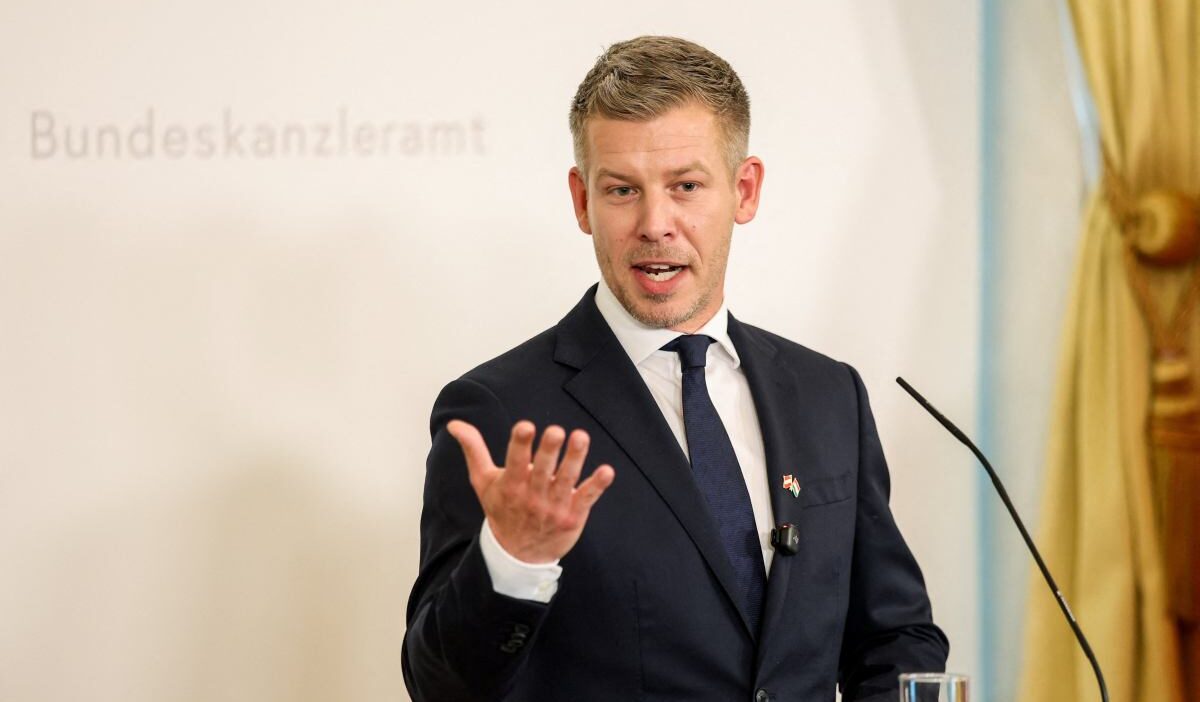
On Monday, June 1, Magyar held a press conference alongside Justice Minister Marta Gorog. The Prime Minister announced that since Sulyok would not resign voluntarily, he would consult with Tisza party representatives to launch necessary removal procedures.
Magyar emphasized that while the constitution provides methods to remove the president, he will not pursue an impeachment process to avoid undermining the status of the presidency. Instead, he intends to restore democratic standards through legislative reform, which will include the removal of officials appointed by the previous regime.
Constitutional Hurdles
President Sulyok’s term is scheduled to run until March 4, 2029. Under the Hungarian Constitution, a president can typically only be removed for intentional constitutional violations or criminal activity, with the final decision resting with the Constitutional Court, which remains largely composed of Fidesz appointees.
To bypass these barriers, Magyar stated in April that his government would seek to amend the Fundamental Law. This legislative process is expected to take approximately one month, facilitating the removal of officials whom the Prime Minister characterizes as puppets of the Orbán era.