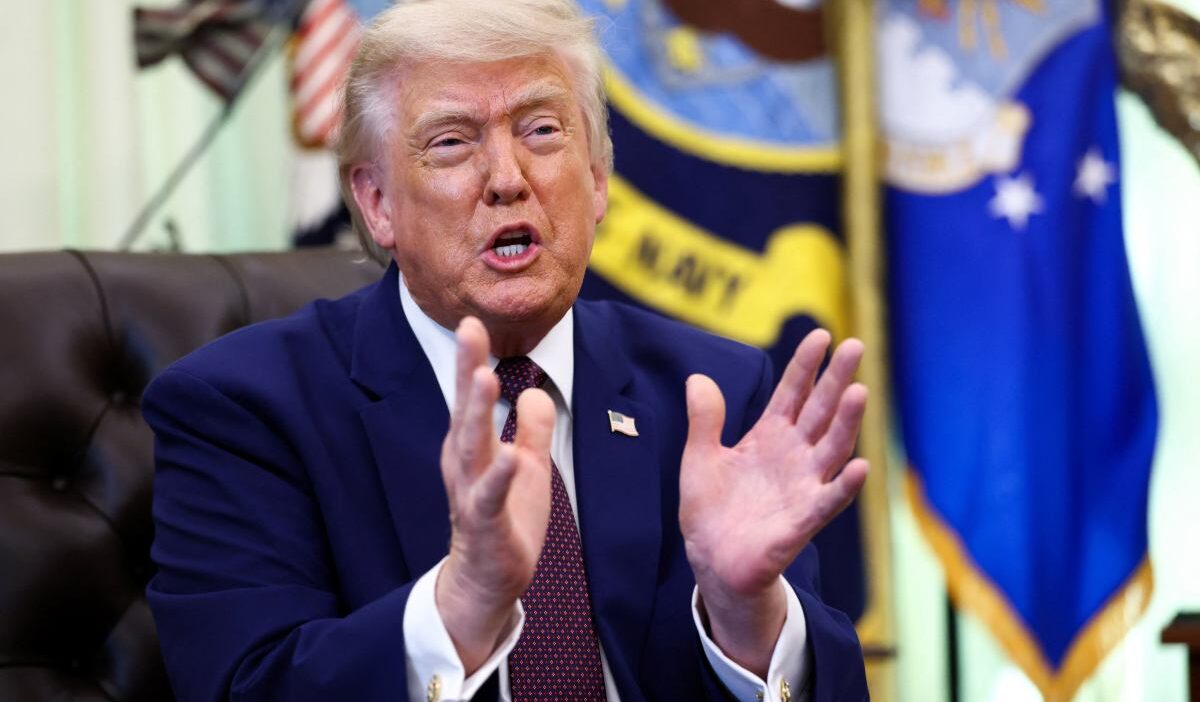
The U.S. House of Representatives voted to restrict President Trump’s war powers, prompting an angry rebuke from the president, who labeled the bipartisan effort unpatriotic amid sensitive negotiations with Iran.
Trump’s Scorched-Earth Response
President Trump slammed the House vote on Thursday, June 4, via Truth Social. He characterized the move as a “senseless” action involving four “bad” Republicans and Democrats, claiming it interfered with his final negotiations to end the war with the Islamic Republic of Iran.
Trump expressed particular disdain for the four Republicans who broke ranks, labeling them “attention seekers” and insisting they should be ashamed for prioritizing political opposition over national success.
A Bipartisan Defiance
The resolution passed with the support of all Democrats and four Republicans. The GOP dissenters included Thomas Massie and Warren Davidson, both long-standing critics of intervention in Iran, alongside centrist representatives Brian Fitzpatrick and Tom Barret.
White House Dismissal
The White House maintains that the vote is purely symbolic, as the resolution requires Senate approval and a presidential signature to become binding. Furthermore, the administration considers the 1973 War Powers Resolution, which serves as the legal basis for the current measure, to be unconstitutional.
Legislative Significance
While the vote holds no immediate legal weight, it marks the first successful congressional attempt to curb Trump’s military actions out of four recent efforts. Under the 1973 act, a president must secure congressional authorization for military engagements exceeding 60 days.
The 60-day limit expired a month ago, but the White House argues that a ceasefire with Iran effectively concluded the conflict before the deadline, rendering further congressional approval unnecessary.