A former government director details the challenges and limitations of Poland’s civil service, comparing it to a precarious game and contrasting it with the “Mortal Kombat” of corporate leadership.
The Bureaucratic Game
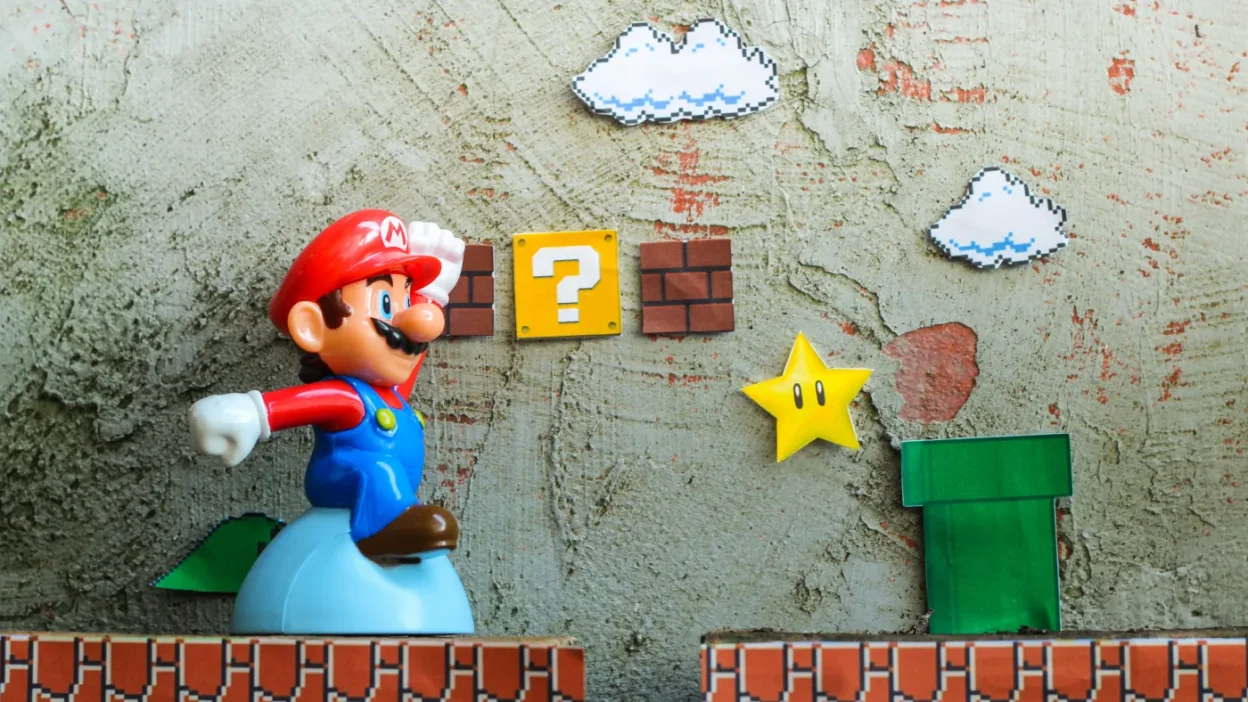
Working in the Polish administration is likened to playing Super Mario: periods of calm are interspersed with bonus opportunities, only to have progress undone. In contrast, leading a state-owned company is described as more akin to Mortal Kombat.
The interviewee, a lawyer with a doctorate and experienced civil servant, explains his departure from the government sector, acknowledging its benefits but also its inherent constraints.
Erosion of the System
The civil service, originally modeled after military structures, has evolved and become less rigid. While military officers consistently advance, opportunities for promotion and stability are less assured in the civil service.
There is a growing reluctance among civil servants to pursue director-level positions, due to the risk of being sidelined or dismissed.
The “Syndrom Odstawienia” and Survival Mechanisms
Higher-level civil servants face a risk of being marginalized and quickly losing their positions, even with a strong record. Some adapt by employing various survival strategies, while others avoid advancement to maintain their status and avoid political repercussions.
Experienced officials, known as “eternal chiefs,” deliberately avoid promotion to preserve their seniority and avoid upsetting successive governments.
Financial Considerations and Career Paths
Advancement in the civil service doesn’t always translate to financial gain. “Eternal chiefs” with significant experience can earn comparable salaries to directors.
The interviewee, after two decades in the civil service, felt his legal expertise and MBA from the University of Warsaw, along with experience on supervisory boards, could be better utilized elsewhere.
Infrastructure and Defense Projects
The interviewee approached infrastructure projects for the military on the eastern flank of NATO with a project-based mindset, fostering collaboration with the military but encountering difficulties in interactions with investors and local authorities.
Visits to military units revealed a lack of oversight for decades, leading to accelerated and streamlined investment processes that facilitated the creation of new military units and modernization of existing garrisons.
The Shortage of Appointed Officials
There is a continuing shortage of appointed officials within the civil service. State institutions should actively seek qualified professionals, but this is not consistently happening.
The ethos of the National School of Public Administration has diminished, and there’s a lack of a clear plan to revitalize the civil service and make it more attractive.
Business vs. Bureaucracy
Business prioritizes effectiveness and problem-solving, while the civil service is often constrained by political decisions and procedural complexities. Economic shocks and unemployment tend to increase the appeal of public sector employment.
New Challenges in Local Government
From September 2025, the interviewee will be the CEO of the Public Communication Enterprise in Międzyrzec Podlaski, viewing this as a new challenge rather than a fallback position.
He emphasizes the importance of embracing challenges and believes his managerial skills can transform the transport company.
Presez vs. Director: A Stark Contrast
Working in the administration is like playing Super Mario: sometimes calm, sometimes you get bonuses, then someone takes your lives. Being a company president is more like Mortal Kombat.
A president actively creates and implements processes, while the administration operates within a fixed budget. Profit must be generated in a company, requiring proactive client acquisition and market awareness.
Current Responsibilities
The interviewee is focused on building business relationships, optimizing processes, and developing the potential of the workforce. The transport sector demands constant attention to equipment, personnel, passengers, and road conditions.
Recent winter weather highlighted the limitations of diesel fuel with biocomponents at extremely low temperatures.
Government Intervention in Fuel Prices
Government intervention in regulating fuel prices and lowering VAT is seen as a positive, though not optimal, step. While lower prices are welcome, the scale of the reduction is limited.
A 30% increase in diesel prices poses significant costs for the transport industry and increases the risk of bankruptcies. The government’s actions are considered a temporary solution to a structural crisis.
The Role of Alternative Fuels
It’s positive that buses aren’t primarily running on gas, as there’s less government intervention in that area. The government should incentivize the development of natural gas (CNG) transport, which is considered environmentally friendly within the EU.
Domestic biomethane could be a viable fuel source, reducing dependence on global events. Other countries, like Italy and Norway, widely use CNG.
Background
Dr. Marcin Mazuryk is the CEO of the Public Communication Enterprise in Międzyrzec Podlaski, an appointed official, lawyer, and former government director in various ministries, including Justice, Internal Affairs and Administration, and National Defense. He also served on the supervisory board of Warsaw Modlin Airport.