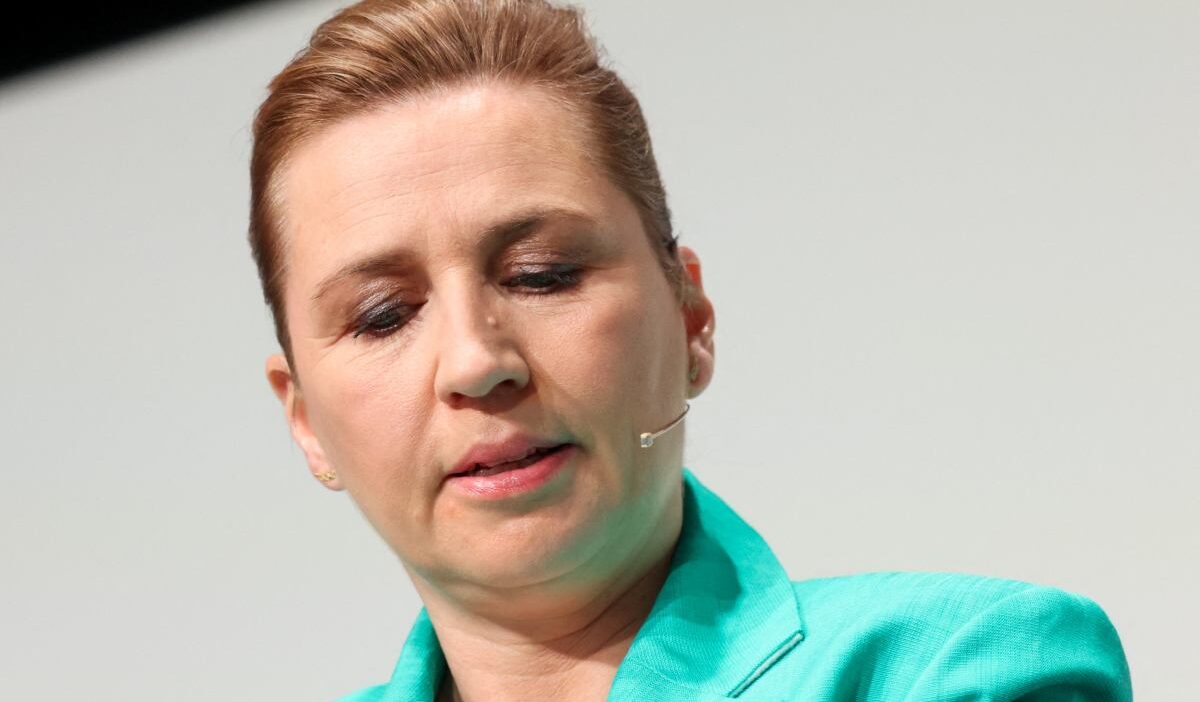
Mette Frederiksen tendered her resignation as Denmark’s Prime Minister on Wednesday after her Social Democratic party won parliamentary elections but failed to secure a majority.
Parliamentary Election Results
Tuesday’s parliamentary elections in Denmark were won by the Social Democratic Party with 21.9% of the vote. However, neither the Social Democrats nor the right-wing parties secured a majority. The left-wing bloc can count on 84 seats, while the right-wing parties hold a combined 77 seats in the 179-seat Folketing.
The centrist Moderate Party, with 7.7% (14 seats), will be crucial in forming a government, as pre-election polls predicted.
Frederiksen Submits Resignation
On Wednesday, Reuters reported that Prime Minister Mette Frederiksen submitted her government’s resignation to the King. The Danish Royal Palace confirmed the resignation in a statement, noting that Frederiksen presented the election results and the political situation before tendering her resignation and recommending that parties elected to the Folketing be given the opportunity to discuss forming a new government.
Social Democrats’ Historic Low
Despite winning the election, the Social Democratic Party’s 21.9% result is considered a historic low, marking its lowest support since 1901. In 2022, the party secured 27.5% of the vote. Frederiksen attributed the weak result to the burden of responsibility.
Frederiksen stated she was prepared to lead the government for another four years.
Political Negotiations to Determine Next Government
Analysts emphasize that, in line with Danish political tradition, Frederiksen had to resign given the election outcome. However, she still has a chance to lead the next government. She met with the King on Wednesday evening to discuss the matter. She is expected to remain as a caretaker prime minister until a new government is formed and remains a leading candidate for the position.
Expert Analysis: Coalition Formation Crucial
Danish election expert Rune Stubager stated that political negotiations will determine whether a new, centrist coalition will emerge or if the government will be based primarily on votes from the “red bloc.” He believes concessions will be necessary from all sides, and no party will be able to fully implement its campaign promises.
Election Results for Other Parties
The Socialist People’s Party came in second place with 11.6% of the vote, followed by the Liberal Party with 10.1% – its worst result in history. The Alliance Liberals achieved 9.4%, while the far-right Danish People’s Party surprisingly secured 9.1%.
Current Governing Coalition Lost Majority
A coalition of Social Democrats, the Liberal Party, and the Moderates has governed Denmark since 2022. The coalition lost its majority in parliament following Tuesday’s elections. The Liberal Party’s poor performance is seen as a setback for its leader, current Defense Minister Troels Lund Poulsen. The Moderates’ success is attributed to the dynamic campaign led by Foreign Minister Lars Lokke Rasmussen.
Voter turnout was 84%, the lowest since 1990.
No Impact on Greenland and US Relations Expected
Politologist Rune Stubager from Aarhus University believes the election results will not affect Copenhagen’s relations with Greenland or the conflict with the US regarding the territory. He also expects continued spending on defense and aid to Ukraine.
Stubager added that regardless of who ultimately governs Denmark, the outgoing government’s policy of maintaining ties with Greenland and mitigating the conflict with the US over President Donald Trump’s claims will continue.
Greenland Issue Not Central to Campaign
Stubager noted that while the issue of Greenland significantly influenced Danish voters, with many participating in solidarity demonstrations with Greenlanders, it was not a central theme in the election campaign. Danish parties held similar positions on the matter.
Potential Delays in US-Denmark Talks on Greenland
The researcher from Aarhus University expressed concern that prolonged coalition negotiations could potentially hinder talks with the US regarding Greenland. While the outgoing government would formally remain responsible for foreign policy, it would not operate as freely as before.
Parliamentary Representation for Greenland and Faroe Islands
The Danish parliament, with 179 seats, allocates two seats to politicians from Greenland and two to representatives from the Faroe Islands.