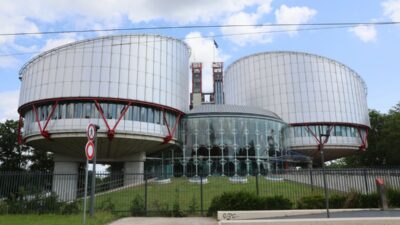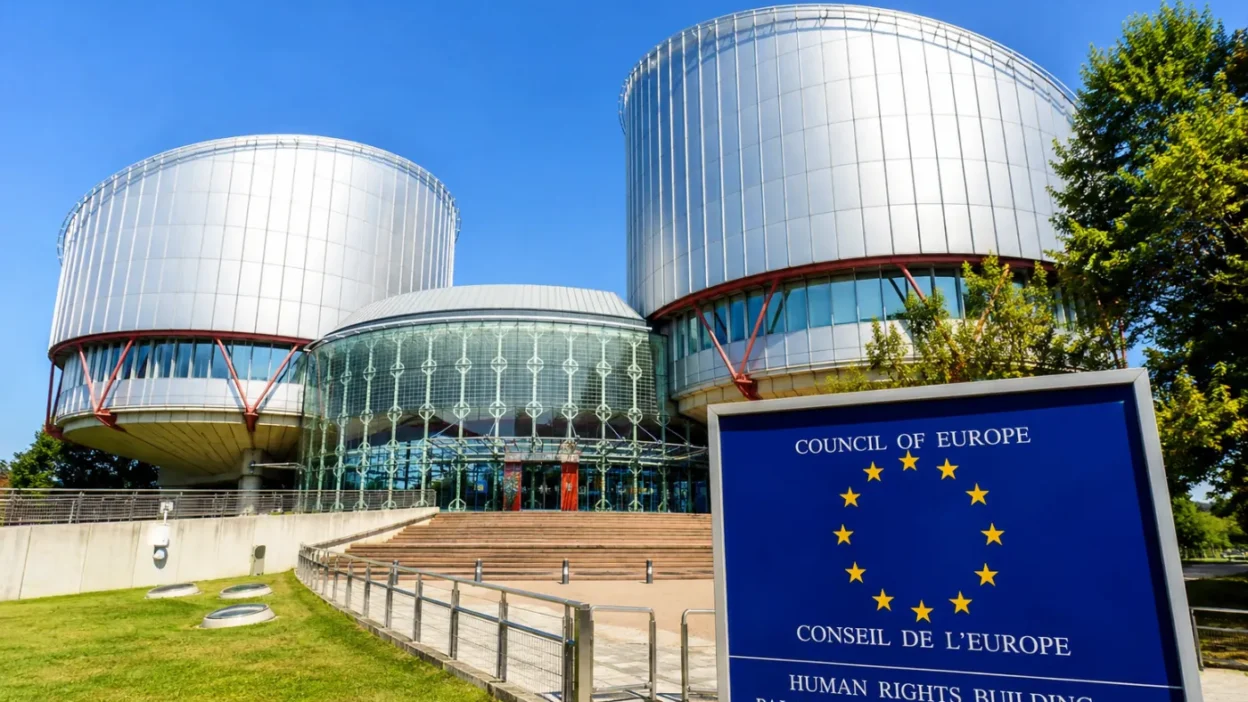
The European Court of Human Rights has ruled that Poland violated the European Convention on Human Rights by denying candidates for judicial positions the right to an effective judicial review of presidential decisions.
The Origins of the Judicial Appointment Dispute
The case dates back to 2008, during the presidency of Lech Kaczyński, when several candidates recommended by the National Council of the Judiciary were not appointed as judges despite completing the full selection process. The president’s decision lacked justification, and the candidates—Aleksandra Sobczyńska, Adrian Klepacz, and Rafał Brukiewcz—spent years attempting to seek redress through domestic and international institutions.
The applicants argued that Polish courts refused to substantively examine their appeals against the president’s refusal to appoint them. They cited Article 6 of the European Convention on Human Rights, which guarantees the right to a fair trial, and Article 13, regarding the right to an effective remedy, claiming the state provided no real opportunity to challenge the decisions.
Court Assessment of Polish Procedures
The European Court of Human Rights ruled that Poland violated Article 6, paragraph 1 of the Convention, which guarantees the right to a fair and public hearing by an independent court. The Court clarified that the issue was not the president’s prerogative to appoint judges, but rather the total lack of any real possibility for judicial verification of a refusal decision.
Judges in Strasbourg emphasized that individuals seeking judicial office who have passed a formal procedure and obtained a recommendation from the National Council of the Judiciary must be guaranteed minimum standards of procedural protection. The Court concluded that a state cannot completely exclude such decisions from judicial oversight.
A Recurring Issue in Polish Jurisprudence
This ruling is part of a broader series of judgments regarding the Polish justice system and rule of law standards. In recent years, the ECHR has frequently addressed matters related to the functioning of the Supreme Court’s Disciplinary Chamber, the status of the new National Council of the Judiciary, and judicial reforms implemented since 2017.
The decision aligns with ongoing conflicts between Polish authorities and European institutions. Previous landmark rulings in cases such as those of Joanna Reczkowicz and Grzegorz Grzęda have consistently highlighted the importance of independent nomination procedures and the necessity of ensuring effective judicial protection for citizens.