On December 5, a new automated station for gathering used cooking oil opened at Wola Park shopping centre in Warsaw, marking Poland’s first of its kind.
Launch of Poland’s First “Olejomat” in Warsaw
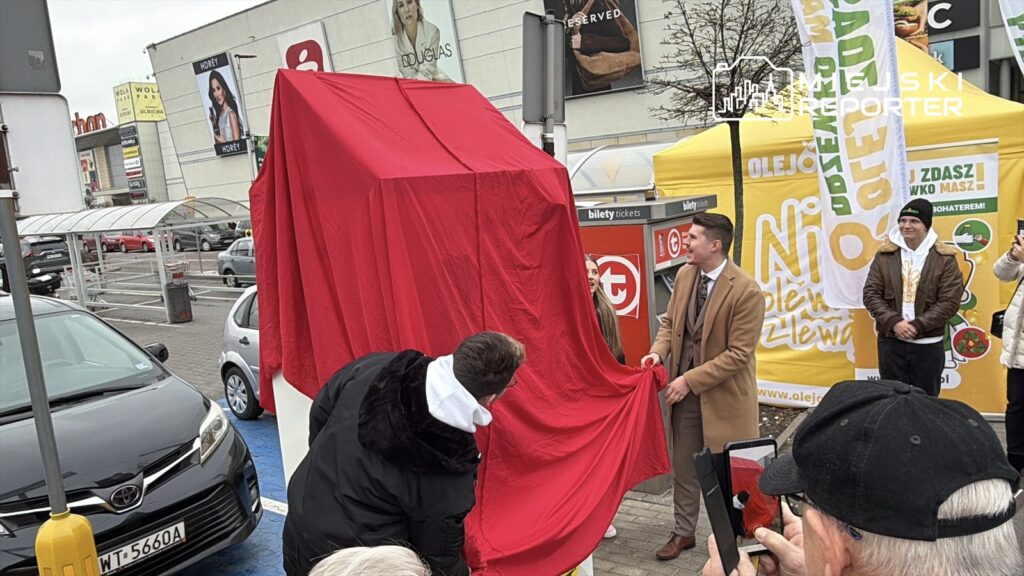
Today, December 5, the first automated collection point for used cooking oil in Warsaw – and the hundredth in Poland – was inaugurated at Wola Park. The “Olejomat” allows residents to easily hand over waste cooking oil for further processing instead of pouring it down the drain.
How the Collection Machine Operates
The device, placed by Wola Park, accepts bottles of used cooking oil, which is treated as waste that requires selective collection. The system was developed in Poland, and, according to its creators, is unique at a European and global scale. The project combines a technical solution with broad education on proper disposal of used cooking oil.
User Registration and Incentive System
Using the Olejomat requires prior registration in a dedicated app. After creating an account, the user can approach the machine, which issues a free bottle for used cooking oil. Filled, the bottle is returned to the collection point and accepted by the device.
Oil Verification and Reward Points
Collected oil undergoes quality verification, which, according to the operator, takes about two weeks. After a successful process, the user receives points on their account that can be exchanged for prizes offered by the system. This links ecological concerns with a motivational element for regular contributors.
Logistics Managed by Emka‑Oil
The opening of the Olejomat at Wola Park results from an agreement between the shopping centre’s management and Emka‑Oil, the company that developed and operates the entire system. Emka‑Oil is responsible for collection logistics, verification of the quality of the handed‑in raw material, and its subsequent processing.
The Importance of Proper Oil Disposal
Used cooking oil – full of unexpected and sometimes shocking stories about what goes down our sinks, drains and the environment – can be described in detail, showing how consumers actually handle it and what consequences improper disposal can have for the city and nature.