Former Orlen chief Daniel Obajtek testified before Warsaw’s Regional Prosecutor’s Office on Wednesday, insisting he defended the company’s interests while refusing to answer police questions.
Obajtek’s Statement
Former Orlen president Daniel Obajtek said he heard the allegations and did not admit guilt, claiming he did nothing but protect the company’s interests. The europarliamentarian, a PiS member, declined to answer questions from the prosecutor’s office. He described the investigation as “political” and maintained that he had the right to safeguard the firm’s economic welfare.
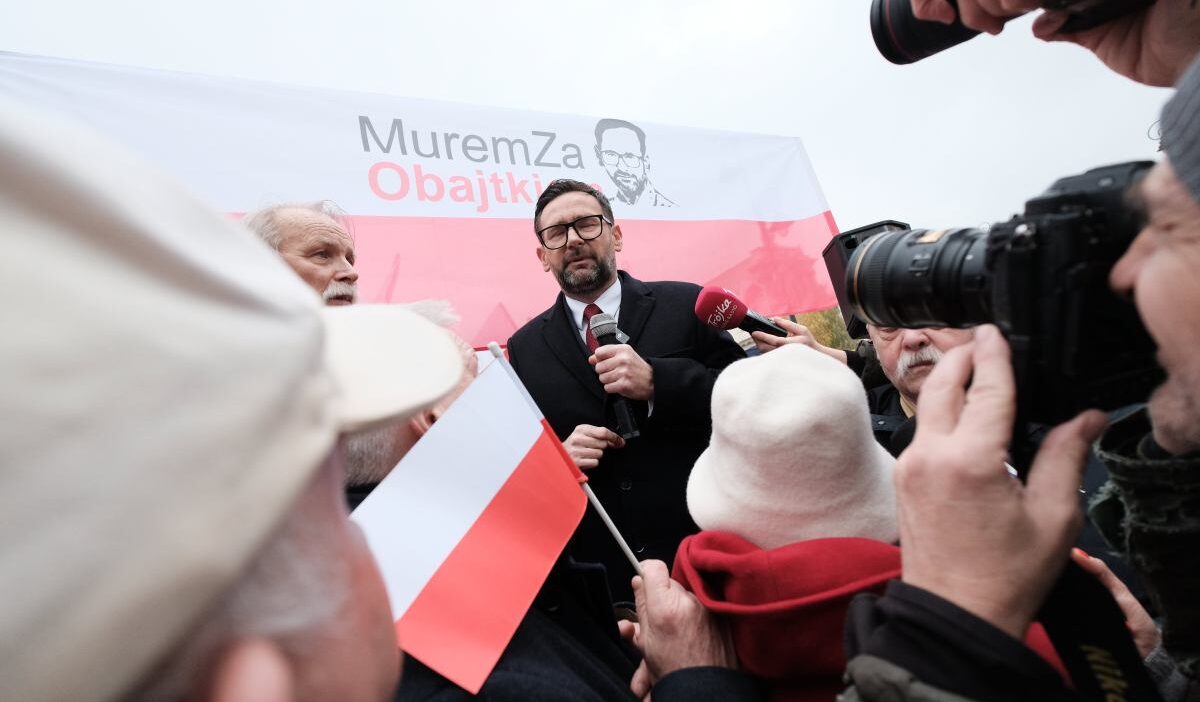
Protest Outside Prosecutor’s Office
Before the interview, a group held a demonstration outside Warsaw’s Regional Prosecutor’s Office under the slogan “Wall for Obajtek.” Obajtek addressed present observers, arguing that the present day is dominated by political decisions and that results, corporate power, and investments were irrelevant. He criticised the legal process, suggesting that the prosecutor’s office acted as a suspect rather than a witness, claiming that certain checks were not performed when confidential company data was disclosed or funds were routed to illicit PR operations.
Investigation Details
The prosecutor’s office is examining alleged breaches of duty by individuals responsible for Orlen’s assets and business activities. Evidence gathered includes witness statements, suspect explanations, and documents such as contracts, reports and VAT invoices. The probe focuses on contract agreements totaling almost 400 000 Polish zlotys for detective services supposedly aimed at serving Obajtek’s private interests. The investigation also covers reports of a 14 million‑zloty consultancy arrangement that allegedly led to missing documents when company data was released or when funds were transferred to covert public relations efforts.
Surveillance Claims by Prime Minister
In March, Prime Minister Donald Tusk said the Orlen‑appointed detective had mainly tracked opposition MPs, naming Marcin Kierwiński, Jan Grabca and Andrzej Halicki among others. Tusk added that state‑affiliated companies had also been involved in the extensive monitoring of opposition parliamentarians, implying that such material could surface in the future.