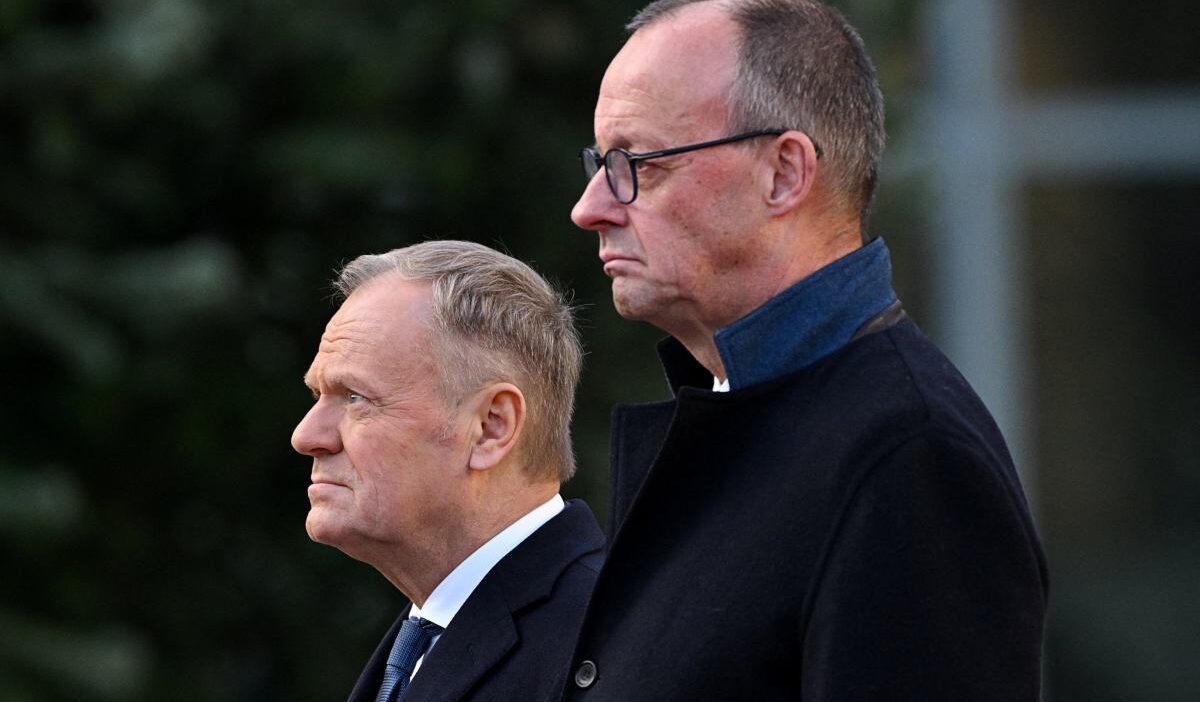
German journalist Jonas Klimm writes in the Bavarian daily Augsburger Allgemeine that Poland, with its growing economy and infrastructure, may serve as a model for Germany, despite lingering German superiority attitudes.
Germany’s Stance Toward Poland
Some Germans still view their neighbor with a sense of superiority, a perspective highlighted by Klimm’s commentary. He notes that jokes about Poles stealing cars were common twenty years ago but are now considered outdated. Yet many Germans continue to look down on Poland even as it catches up in key areas.
Poland’s Economic and Infrastructural Gains
Poland has maintained steady GDP growth while Germany languishes in recession, according to Klimm. Military spending in Poland is streamlined, streets are cleaner, and train schedules are more reliable. The country’s rail network and digital services—purchased with EU funds—have been praised for efficiency, with retirees able to use cards or smartphones to pay for city services.
Migration Dynamics and Public Attitudes
Last year, for the first time, more Poles returned from Germany than left, a trend Klimm attributes to the perception of Germany as a bureaucratic labyrinth. Illegal migration is said to help avoid negative consequences, as reported by the Augsburger Allgemeine, and the Polish Jewish community reportedly feels safe despite rising resentment. The country also faces demographic and economic pressures, with increasingly visible migrants from Bangladesh and Nepal in its cities.
Defence Spending and Technological Focus
Poland’s defence investment is twice that of Germany, placing it at the forefront of NATO’s eastern flank. However, experts caution that the emphasis on heavy equipment is disproportionate, with drone capabilities receiving less attention.
Political Polarisation and Russian Disinformation
Klimm describes Poland as politically divided, noting a clash between urban and rural areas. Russian disinformation campaigns have intensified, and figures such as Grzegorz Braun, who deny the Holocaust, spread antisemitic, anti‑German, and anti‑Ukrainian rhetoric that reaches a sizable part of society. This climate threatens social cohesion and the credibility of public institutions.