Germany pushes for provisional implementation of the EU-Mercosur trade deal as European Parliament seeks legal review.
Council Decision Provisional Implementation
The EU Council authorized Ursula von der Leyen to sign the trade agreement with Mercosur on January 9, with provisional application provisions detailed in Article 3. The agreement was formally signed in Asunción on January 17.
European Parliament Challenges Agreement
The European Parliament has not initiated the ratification process and has instead requested an opinion from the Court of Justice of the EU regarding the agreement’s compatibility with EU treaties. This has frustrated supporters of the deal.
German Pressure for Accelerated Implementation
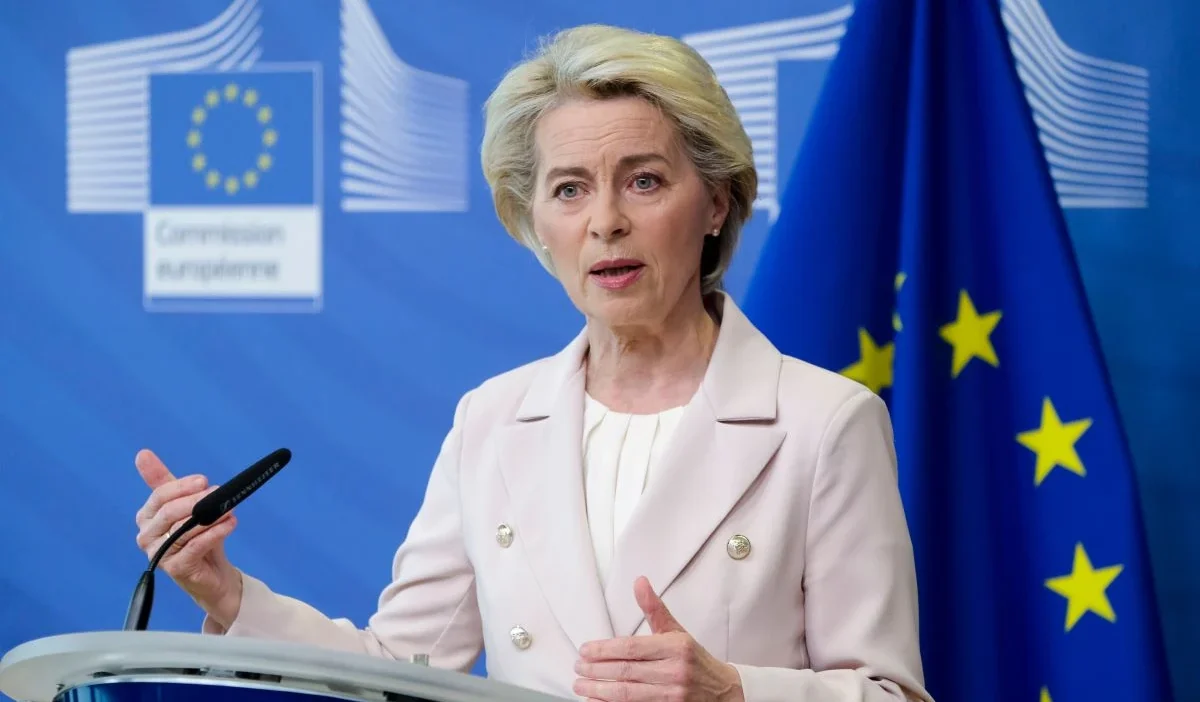
During a press conference following the EU summit, von der Leyen confirmed the Commission could begin implementing the agreement once at least one South American parliament ratifies it, without waiting for the European Parliament’s final approval. German officials are particularly supportive of this approach.
Political Division in European Parliament
Within the European People’s Party, 43 MEPs voted in favor of sending the agreement to the CJUE, while 135 were against. German politicians, including Chancellor Friedrich Merz, have criticized the Parliament’s decision as “regrettable,” especially given the current geopolitical context.
Polish Opposition and Economic Arguments
Polish MEP Krzysztof Hetman emphasizes previous attempts to ignore the Parliament regarding Mercosur. Former Commissioner Janusz Wojciechowski sarcastically suggests the agreement will be applied “provisionally and transitionally, i.e., forever” and calls on the Polish government to challenge the Council’s decision.
Economic Benefits at Stake
Supporters of the agreement cite economic projections from ECIPE, suggesting that if ratified in 2021, EU exports would have increased by €183 billion over four years, with GDP growing by €291 billion. Delay could result in significant economic losses for the EU.