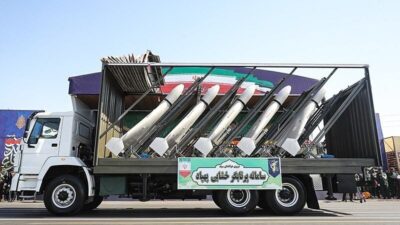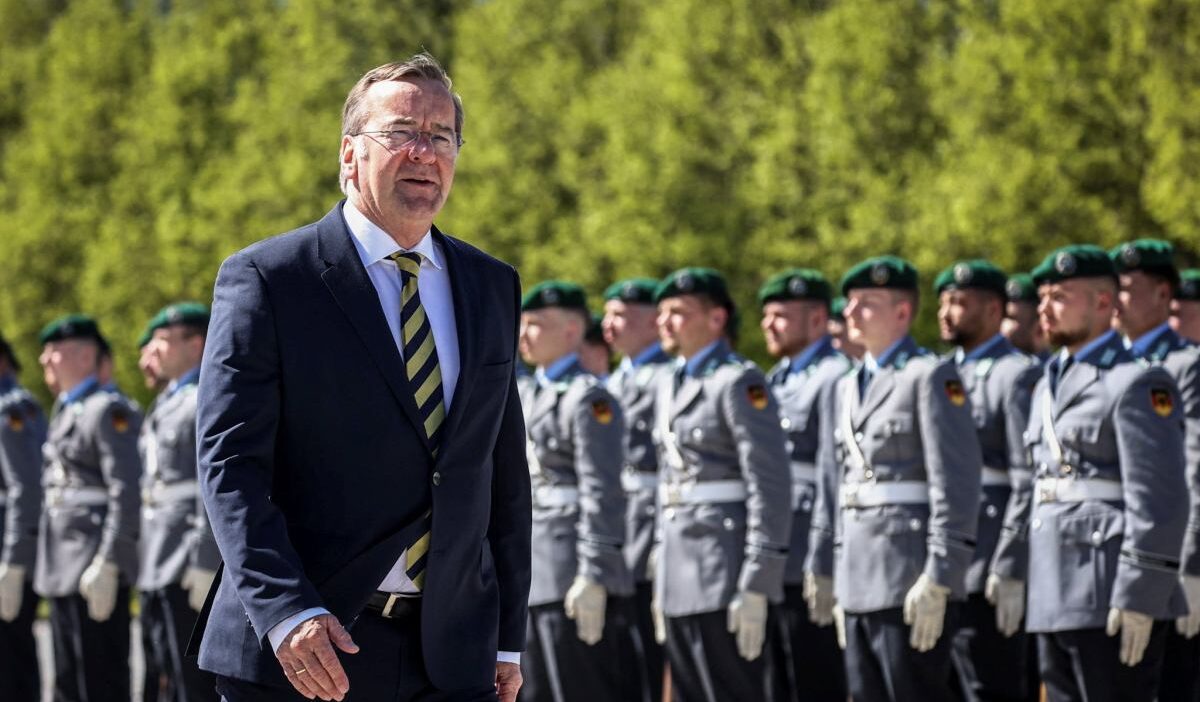
Germany unveiled a new military strategy, identifying Russia as the primary threat and outlining plans to build Europe’s strongest conventional army.
Russia Poses Main Threat
The core objective of Germany’s military strategy is to counter threats emanating from Russia. The strategy views Russia as fundamentally hostile towards the West and considers NATO expansion as encirclement.
Moscow’s primary goal is to weaken the alliance and drive a wedge between the US and Europe, ultimately aiming for the collapse of NATO and the expansion of Russian influence in Europe. A document within the strategy states, “Russia is creating the conditions for a military attack on NATO states.”
Hybrid Warfare and Aggression
Russia is actively employing hybrid warfare tactics – espionage, sabotage, cyberattacks, and disinformation campaigns – against NATO members, including Germany. These are no longer considered marginal phenomena.
Germany aims to have at least 460,000 soldiers capable, alongside allies, of countering Russian aggression.
Key Assumptions for Future Conflict
German military officials believe informational dominance, system resilience (“survivability”), and their integration will be decisive in future conflicts. Key assumptions include the blurring of lines between war and peace, warfare during transformation, a transparent battlefield, long-range operations, and a blend of technologies.
Blurring the Lines of Warfare
The state, economy, and population are becoming targets. German society as a whole is considered vulnerable, with adversaries deliberately undermining the separation between the home front and the battlefield.
The Bundeswehr must collaborate with all state authorities, focusing on military tasks.
Army Transformation and Technological Advancement
Deterrence and war preparation will utilize the most modern capabilities. However, actual warfare will combine past and future methods, leveraging advanced technologies like quantum computing and robotics alongside inexpensive drones.
The Bundeswehr will accelerate innovation and rapid implementation of new technologies.
Long-Range Capabilities and Information Superiority
Long-range weaponry intensifies battlefield threats, eliminating safe rear areas. Germany will acquire more precise long-range weapon systems and a robust, multi-layered air defense system.
Data is becoming a weapon, with artificial intelligence enhancing human capabilities. The Bundeswehr aims to achieve information superiority while denying it to adversaries, developing both offensive and defensive capabilities in space and cyberspace.
Effective Force and Nuclear Deterrence
To counter mass-produced enemy weaponry, Germany will pursue a mix of high-tech and mass-produced systems.
The US remains essential to NATO politically and militarily, but Germany will assume greater responsibility within the alliance, contributing to NATO’s nuclear deterrence through participation in a joint nuclear deterrence system.
Reserve Forces and Equipment
Reserve forces are considered integral to the armed forces, enhancing the Bundeswehr’s operational readiness. Inactive units will be fully equipped, and reserve personnel will receive minimal essential equipment, including personal gear and small arms.