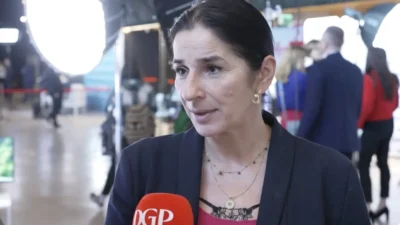
A new book, “Conversations About Hemophilia,” provides a deeply personal look at life with the condition, revealing challenges beyond bleeding and offering hope for the future.
Hemophilia Beyond the “Disease of Kings”
Many Poles know hemophilia only as the “disease of kings,” associating it primarily with uncontrollable bleeding. However, the reality for those living with the condition is far more complex, encompassing daily struggles, dreams, and triumphs often unseen by the public.
The book “Conversations About Hemophilia” by Beata Igielska and Katarzyna Lisowska (PZWL 2025) aims to open a window into this world.
Social Stigma and Unexpected Challenges
Even experienced medical journalists were surprised by the depth of challenges faced by hemophilia patients during the book’s research. Igielska recounts instances of social ostracism, such as mothers avoiding playgrounds due to judgmental stares over their children’s bruising.
Emergency room visits often trigger immediate suspicion of child abuse, requiring lengthy explanations. Families live in constant readiness for potential emergencies, maintaining fully fueled vehicles and emergency supplies.
Unexpected Medical Complications
The authors discovered that seemingly simple procedures, like tooth extractions, can lead to life-threatening bleeding requiring prolonged hospitalization and multiple interventions. The most significant fear for hemophilia patients is joint damage from frequent bleeds, often leading to disability at a young age.
Gaps in Healthcare Awareness
Igielska noted a lack of awareness about hemophilia in some district hospitals, where paperwork often takes precedence over immediate treatment with clotting factors. She described a case where a child with a port infection was initially treated for ear inflammation, delaying crucial care.
Guilt and Resilience Among Mothers
Mothers carrying the hemophilia gene who were unaware for years often experience profound guilt after their child’s diagnosis. Despite these challenges, the book also highlights stories of remarkable resilience.
Stories of Hope and Rehabilitation
One inspiring story features Krystian, a hemophilia patient who pursued a degree in rehabilitation and now specializes in helping other boys with the condition. Another is Kuba, a graduating student who is a lifeguard and motivational speaker, refusing to let the disease define his limits.
A Shift in Perspective
Igielska states that working on the book fundamentally changed her understanding of hemophilia and the lives of those affected.
Dreams Beyond Physical Health
While physical symptoms are present, individuals with hemophilia share the same dreams as anyone else, but their primary hope is for a cure—a “Holy Grail” that would alleviate the daily challenges and pain. The advent of subcutaneous medication has significantly improved quality of life for many.
Future Treatments and Access to Care
The future holds promise with the potential for oral medication. While hemophilia treatment in Poland is currently adequate, personalized therapy remains a goal. As of October 1, 2025, Polish children with hemophilia A gained access to breakthrough therapies, including subcutaneous and ultra-long-acting clotting factors.
The Importance of Comprehensive Care
Experts emphasize the need for comprehensive care encompassing hematology, orthopedics, rehabilitation, dentistry, psychology, and education. Shared decision-making between patients (or their guardians) and doctors is crucial.
Advancements in Hemophilia Treatment
Ongoing research is expanding treatment options, moving from blood products to recombinant factors and now to non-substitution and gene therapies. These advancements aim to optimize treatment tailored to individual patient needs, offering greater comfort and enabling active lifestyles.
Understanding Hemophilia
Hemophilia primarily affects males, while females are carriers of the gene mutation. Clinically, it manifests as prolonged bleeding after injury, spontaneous joint and muscle hemorrhages, and increased risk of bleeding during surgery. Untreated hemophilia can lead to disability and premature death, explains Professor Jerzy Windyga.
The Future of Personalized Medicine
Professor Windyga emphasizes that while significant progress has been made, much remains to be done. The future of hemophilia lies in personalized medicine, aiming to provide patients with a life unrestricted by the disease.