A critical interview with a serving Hungarian army captain reveals low morale, NATO-Russia alignment concerns, and potential mass resignations following the lifting of a state of emergency.
Military Caught in a Bind
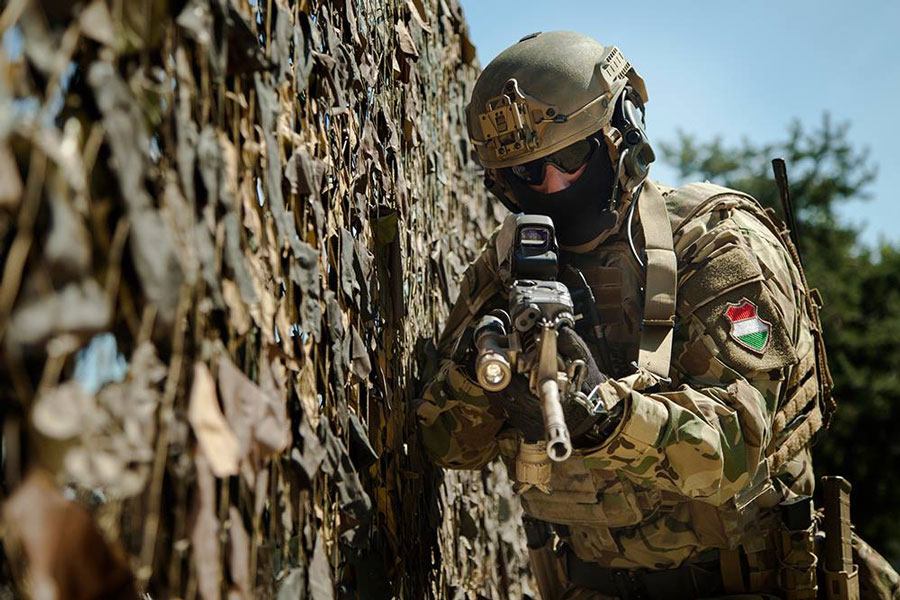
Captain Szilvester Palinkas, a long-time face of the Hungarian army’s recruitment campaigns, publicly criticized the civilian leadership and the state of the armed forces while still in service. His application to leave for civilian life was rejected due to the ongoing state of emergency.
Analyst Piotr Sadecki notes that Palinkas’s actions represent a clear engagement in politics and alignment with the opposition, reflecting a widespread sense of frustration within the military.
NATO and Russia Dilemma
The core of the military’s discontent stems from the perceived conflict between Hungary’s NATO obligations and the government’s close ties with Russia. Defense Minister Kristóf Szalay-Bobrovniczky, previously involved in business dealings with Russians, has been a focus of criticism.
Palinkas motivated his public statements by highlighting the dramatic state of the Hungarian military, citing a surge in resignation requests blocked by the state of emergency, anticipating a significant loss of personnel once it’s lifted.
Decades of Underfunding
Hungarian defense spending remained low—between 0.8-1.3% of GDP—from 1995 to 2019, falling short of NATO standards. While spending increased to over 2% of GDP in 2023, it has since slightly decreased.
Sadecki attributes the spending fluctuations to the government’s prioritization of elections, diverting funds towards initiatives aimed at securing their position.
A Different Perspective
Hungary lacks the same level of threat perception from Russia as countries like Poland or the Baltic states, influencing public debate and prioritizing domestic issues like the economy and corruption.
Narrative Shaped by the Government
The government and its affiliated media have shaped the narrative surrounding the war in Ukraine, fostering a desire among Hungarians to remain distant from the conflict. Public opinion polls show similar negative assessments of both Vladimir Putin and Volodymyr Zelenskyy.
Opposition Strategy
The Tisza movement, currently polling strongly against Fidesz, is cautiously approaching foreign policy and security issues, framing Fidesz as representing peace and Tisza as a path to war under EU direction.
Expert Input and Potential Shifts
The addition of Romulusz Ruszin-Szendi, former Chief of the General Staff, to the Tisza movement has elevated the importance of security and defense in the debate. Palinkas’s interview further amplifies these concerns.
Despite these developments, domestic issues, particularly corruption, remain the primary focus for voters. Tisza has pledged to scrutinize contracts awarded under the Orbán government, including the acquisition of Aero Vodochody aircraft.
Limited Change Expected
While a new government may distance itself from Russia and improve relations with the EU, Sadecki believes Tisza will prioritize internal issues and avoid directly supporting Ukraine with arms. They are unlikely to block EU support programs or sanctions against Russia.
A new government is expected to pursue a more assertive, yet constructive, approach within the EU, and to actively combat Russian influence within Hungary.