The General Directorate for National Roads and Motorways has launched a 16 million PLN project to replace a historic bridge over the Gwda river, aiming to improve infrastructure by next March.
Project Scope and Traffic Management
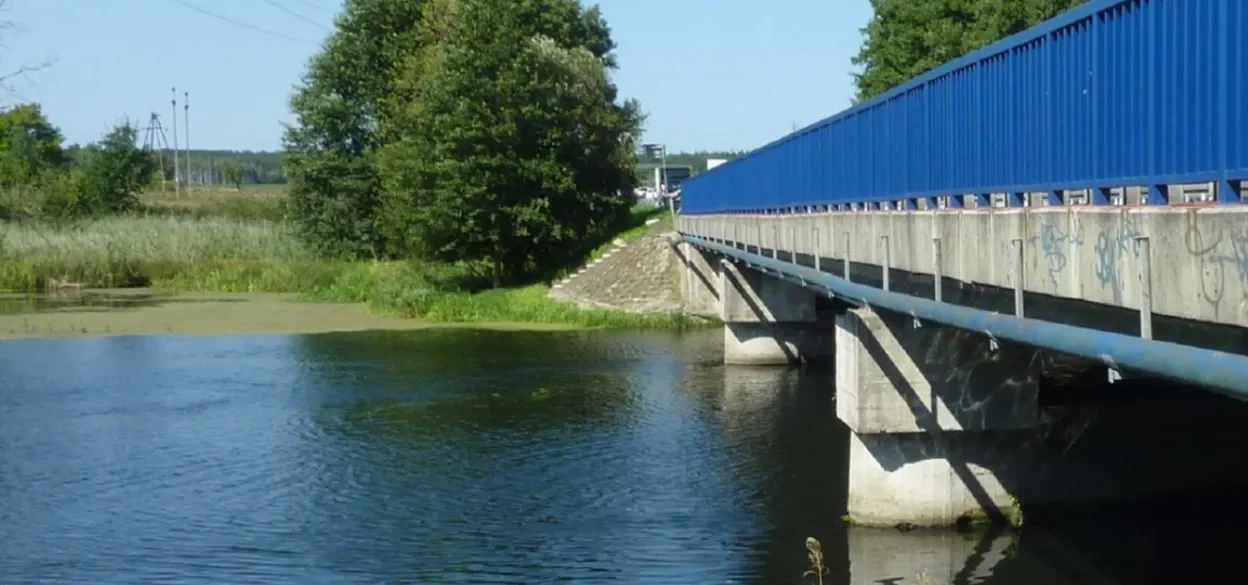
The General Directorate for National Roads and Motorways (GDDKiA) has signed a contract with Warsaw-based firm Intop to replace the aging bridge on national road DK10 in Piła. To minimize disruption, a temporary bridge will be constructed on the south side of the existing crossing to maintain traffic flow during the demolition and rebuilding phases.
The new structure is scheduled for completion in March of next year. The current three-span bridge, which dates back to 1952 and underwent widening in the early 1980s, has become inadequate due to the heavy transit and local traffic demands placed on this vital northwest Polish transport corridor.
Enhanced Infrastructure and Design
The replacement will be a modern, three-span bridge over 80 meters long and 15 meters wide. Beyond handling automotive traffic, the new design incorporates a full-sized sidewalk and a dedicated bicycle path, addressing long-standing calls from local authorities to improve safety and accessibility for non-motorized commuters.
Built on four supports, the bridge will feature a reinforced concrete slab integrated with prestressed girders. This technical approach is designed to provide greater durability and resistance against the increasing volume of heavy goods vehicles traveling between Szczecin, Piła, Bydgoszcz, and Warsaw.
Environmental Integration and Funding
In line with contemporary infrastructure standards, the project includes an animal crossing beneath the bridge to facilitate wildlife migration along the Gwda river valley. This addition is intended to reduce vehicle-animal collisions and maintain ecological continuity in the region.
The investment is partially supported by European Union funding through the Connecting Europe Facility, a program dedicated to improving transport safety and efficiency across the trans-European network. The project reflects a broader push by the GDDKiA to modernize infrastructure built mid-century that no longer meets modern load and safety requirements.