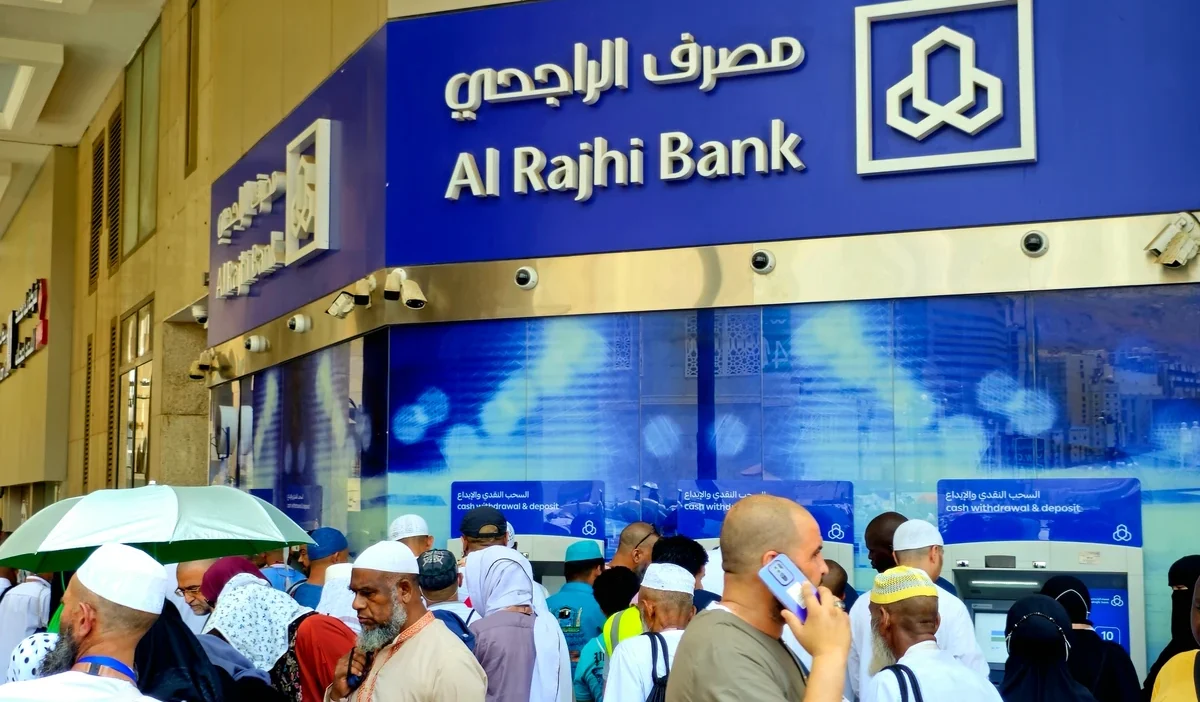
Middle Eastern markets react to Iran attack, with stocks in Riyadh and Cairo falling as concerns grow about regional stability.
Saudi Market Loses Yearly Gains
Saudi Arabia’s Tadawul All Share index fell 2.2% on Sunday, erasing the year-to-date gains for Riyadh’s stock market. The decline would have been more severe without a 3.4% increase in Saudi Aramco shares, as investors expect conflict escalation to boost global oil prices, improving the company’s short-term revenues.
Regional Markets React Cautiously
Markets in Oman and Bahrain also opened weaker. Kuwait’s stock exchange even suspended trading as a precautionary measure, showing the scale of concerns about the development of the military situation and its consequences for financial stability in the Persian Gulf region.
Egyptian Market Weakness Deepens
The reaction was even more pronounced in Cairo. Egypt’s main stock index lost 2.5% on Sunday, deepening the downward trend that began in mid-February. Since then, the total decline has exceeded 8%, indicating that the market was already in a weakening phase.
Egyptian Pound Hits Record Low
Simultaneously, the Egyptian pound weakened to around 48.8 per US dollar – the lowest level since mid-2025. For a country with a high share of imports in its economic structure, this means additional inflationary pressure and higher costs for servicing foreign currency-denominated debt.
Gas Supply Disruption Hits Egypt
The situation is complicated by Israel’s decision to halt natural gas supplies to Egypt after launching military operations against Iran. Egypt, which has become a significant LNG exporter to Europe in recent years, uses Israeli gas to power its own liquefaction facilities. The suspension of transit means the need to urgently secure alternative supplies. Authorities in Cairo are accelerating LNG spot purchases and trying to contract additional volumes for the summer period when domestic energy demand rises.
Double Blow for Egypt
For Egypt, this is a double blow – on the one hand, currency weakness and stock market declines, on the other, threats to the energy balance and gas re-export revenues.
Suez Canal Transit Disruptions Continue
An additional burden remains disruptions in transit through the Suez Canal, which have been ongoing since the end of 2023 due to tensions in the Red Sea region. Transit fee revenues are one of the key sources of hard currency for Egypt.
Shipping Giant Suspends Suez Transit
On Sunday, French shipping giant CMA CGM – the third largest container line in the world – announced suspension of transit through the Suez Canal. This decision could hamper signs of recovery in maritime traffic that appeared after the autumn ceasefire in the Gaza Strip. Reduced ship traffic means lower revenues for Egypt’s budget and additional pressure on foreign exchange reserves.
Egypt’s Vulnerable Position
In practice, Egypt is now in a particularly vulnerable position: the currency is weak, financing costs are high, and two key sources of foreign currency revenue – gas and transit through the Suez Canal – are exposed to disruptions.
Global Markets Brace for Impact
As Western stock markets do not work on weekends, the full reaction of global markets will only be visible after their opening. However, trading in Asia already signaled increased expectations for higher oil prices. Any increase in commodity prices could translate into higher fuel and transportation costs, and consequently into inflationary pressure in many economies.
Strait of Hormuz Security Concerns
The key issue remains the security of transport through the Strait of Hormuz, through which a significant portion of global oil trade flows. Any threat to this route immediately raises a risk premium in the prices of energy commodities.
Divergent Regional Reactions
In the Middle East region, there is a clear divergence in reactions: energy companies benefit from the prospect of more expensive oil, while the broader stock market and currencies of countries with weaker fiscal fundamentals are under pressure. In the short term, decisive information will be about the further scale of military operations and any possible responses from Iran.