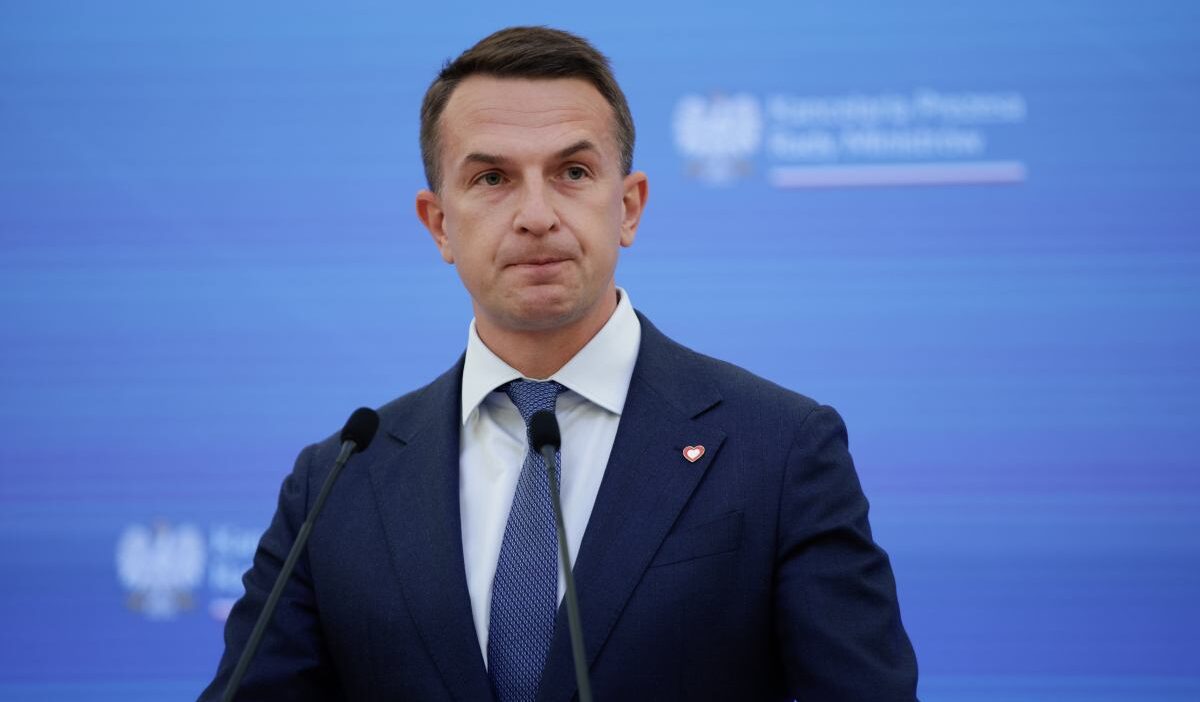
President Karol Nawrocki blocked the nomination of 46 judges, prompting government spokesperson Adam Szłapka to accuse him of attempting to usurp judicial powers.
Government Spokesperson: Judicial Authority Must Be Independent
Adam Szłapka warned that the president’s statement constitutes an attempt to erode constitutional principles of judicial independence. He noted that judges are empowered, and have been ruled by both Polish and European courts, to challenge the status of other judges.
“Judicial power in Poland must remain independent of other authorities,” Szłapka said, arguing that the president’s remarks threaten the independence of courts and deepen chaos induced by Minister Zbigniew Ziobro, former parliamentary majority, and President Andrzej Duda.
President Must Sign the Law
Spokesperson Szłapka urged the president to sign a bill drafted by the Ministry of Justice to reform the National Council of the Judiciary. The bill proposes that 15 council members, rather than politicians, be elected directly, secretly, and supervised by the State Electoral Commission.
He stressed that once the legislation completes its parliamentary path, the president’s signature is required to restore the proper functioning of the system.
Karol Nawrocki Refuses Nomination of Dozens of Judges
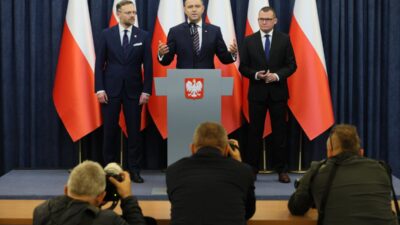
On Wednesday, President Nawrocki announced that he would not nominate 46 judges to higher courts. He stated that no judge questioning the president’s constitutional prerogatives can expect a nomination.
President’s chief of staff, Zbigniew Bogućki, clarified that the refusal concerns appointments to courts of higher jurisdiction, and that such nominations were still pending during President Andrzej Duda’s term.
Denial of Officer Promotions
In November, the president also rejected the promotion of 136 officers to the first officer rank within the Internal Security Agency and Military Counterintelligence Service.
Rafał Leśkiewicz, spokesperson for the president’s office, noted that, for the first time in the Third Republic, special‑services heads declined the president’s invitation to discuss key security matters, effectively cutting the president out of the information flow.
Minister of Special Services Coordination Tomasz Siemoniak earlier indicated that promotion discussions were not part of the agenda presented to the president.