Oil prices declined Tuesday amid signals Iran will participate in negotiations with the United States in Islamabad before a two-week ceasefire expires.
Oil Prices Decline on Negotiation Hopes
Oil prices are falling following indications that Iran will engage in negotiations with the United States in Islamabad before the end of a two-week truce between the parties, according to brokers.
West Texas Intermediate crude oil for V delivery costs $87.76 per barrel on NYMEX in New York, down 2.06 percent. Brent crude on ICE for VI is priced at $94.15 per barrel, down 1.39 percent.
U.S. Delegation En Route to Islamabad
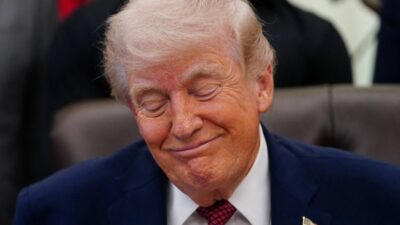
U.S. Vice President J.D. Vance and a team from the United States are en route to Islamabad, and Iran has agreed to talks, U.S. President Donald Trump said Monday. He reiterated a warning that bombing will resume if no agreement is reached before the ceasefire expires.
In interviews with the “New York Post” and PBS, Trump confirmed the talks with Iran will take place. He stated that Vice President Vance, along with Jared Kushner and Steve Witkoff, are traveling to Islamabad and will arrive within hours.
Regarding the lack of confirmation of Iran’s participation, the President said Iran agreed to talks despite public statements from Tehran. “We’ll see if they show up or not. If they don’t, that’s okay too,” he told PBS.
Trump Issues Threat to Iran
Donald Trump threatened that “a lot of bombs will be flying” if an agreement is not reached by the end of the truce, which expires Tuesday night.
The U.S. President stated it is “very unlikely” he will extend the ceasefire with Iran, which expires Wednesday evening Washington time.
Market Sensitivity and Strait of Hormuz Concerns
Analysts point out that oil prices have risen sharply in recent days due to changing market perceptions of the status of U.S.-Iran negotiations and navigation through the Strait of Hormuz – a key route for oil and gas transport from the Persian Gulf to global markets.
“Either we’re going to go to some form of de-escalation now, or we’re going to have more prolonged disruptions, particularly when it comes to energy supplies,” said Dilin Wu, a research strategist at Pepperstone Group.
“Markets will be extremely sensitive to any news coming out of the Middle East over the next 24 hours,” he added.
Strait of Hormuz Remains Largely Blocked
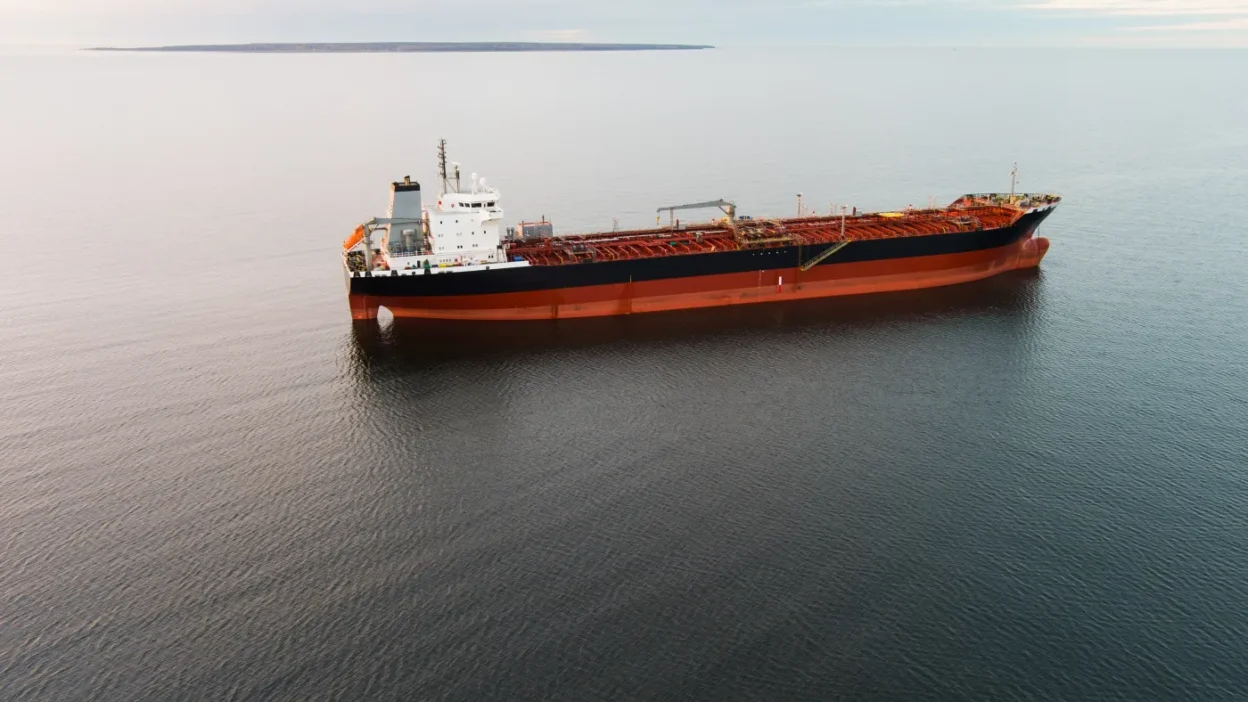
Meanwhile, fuel flows through the Strait of Hormuz remain virtually at a standstill. Three ships attempted to pass through it on Tuesday.
China Calls for Opening of Strait
On Monday, Chinese President Xi Jinping appealed for the restoration of normal transit through the waterway, according to a statement from the Chinese Foreign Ministry.
The Chinese leader held a telephone conversation on the matter with Saudi Crown Prince Mohammed bin Salman, the Chinese Foreign Ministry said.
Price Forecasts and Potential Instability
Analysts at Citigroup Inc. predict oil prices could rise to $110 per barrel if ship traffic through the Strait of Hormuz remains restricted for another month.
The International Energy Agency (IEA) Executive Director Fatih Birol said in an interview with Bloomberg HT that the global energy markets could face two years of instability due to a war with Iran.
“The world is facing a very serious economic situation, and some countries are not realizing it,” the head of the IEA said. “We hope the Strait of Hormuz will be reopened as soon as possible to prevent further losses. There is no magic wand to fix the situation,” he added.
IEA Releases Strategic Reserves
The IEA has released 400 million barrels of oil from strategic reserves.