




Belgian Writer: They Believed Poland Was Still a Backward Eastern Country. They Are Shocked After Vacation
For years, Belgium viewed Poland through outdated stereotypes of poverty and the Iron Curtain, but today Belgians are discovering a dynamic, well-defended nation and experiencing a genuine cultural...
For years, Belgium viewed Poland through outdated stereotypes of poverty and the Iron Curtain, but today Belgians are discovering a dynamic, well-defended nation and experiencing a genuine cultural shock. . **Body:**
Table Of Content
- Breaking Stereotypes: Poland in the Eyes of Belgians After Years
- PiS Governments, Disputes with Brussels, and the Defense of Polish Democracy
- Outbreak of the War in Ukraine and Poland as a Country of Solidarity
- Defense Leadership and Belgian Pacifism
- Recognizable Figures and Growing Interest in Polish Literature
- Who Is Alicja Gęścińska? Academic Path and Literary Successes
Breaking Stereotypes: Poland in the Eyes of Belgians After Years
Alicja Gęścińska, an author of award-winning novels in Belgium and head of the Flanders PEN Club, noted in an interview with PAP that year by year Poland is growing richer, stronger, and wiser. In her view, Belgians are discovering the country as if it were a well-kept secret.
In late July, Prime Minister Donald Tusk appointed Prof. Barbara Mróz-Gorgoń as Government Plenipotentiary for the Promotion of the Polish Brand. PAP decided to examine Poland’s image in the nation of 11 million people, which hosts roughly 100,000 Poles and where Polish economic emigration dates back to the early 20th century.
PAP asked Alicja Gęścińska about how Belgians perceive Poland today and whether stereotypes about the country still persist.
The writer stated that for years a prevailing image of Poland in Belgium was that of a poor and rather backward country from behind the Iron Curtain, from which people leave in search of a better life. This stereotype of belonging to a worse, eastern Europe persisted for a long time.
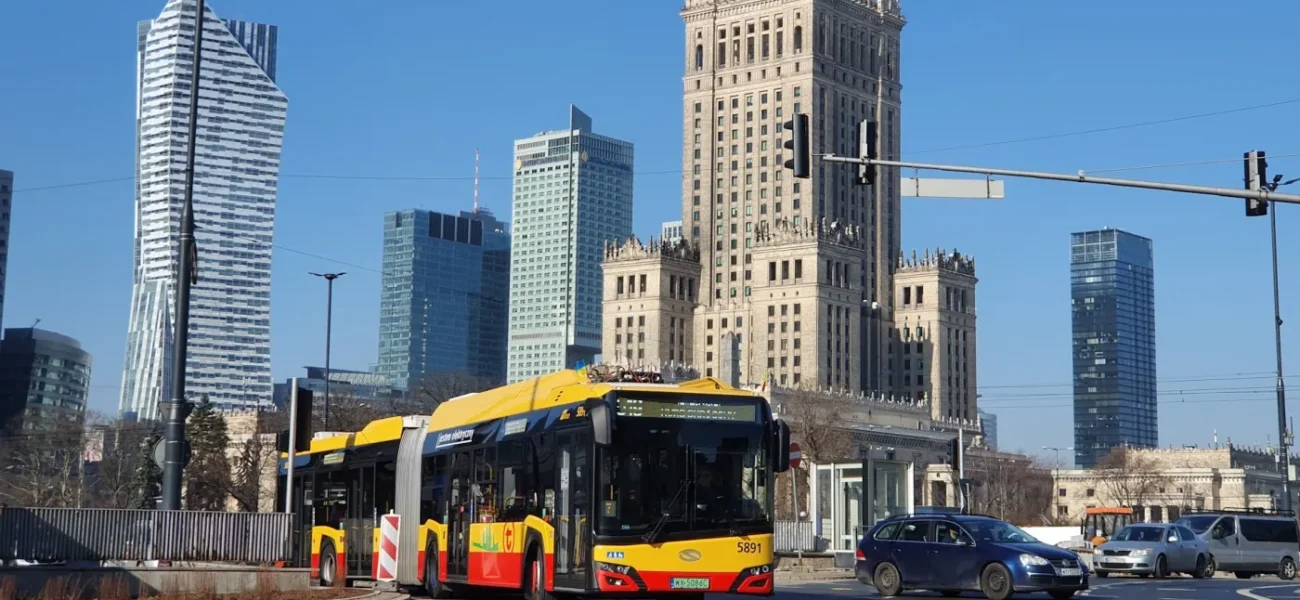
When broadcasting materials about Poland, Belgian television did not show beautifying Warsaw, modern skyscrapers, or new motorways, but rather snippets of villages somewhere in eastern Poland, wooden huts, and sad people on gray streets, as if Poland were still a backward country, Gęścińska told PAP.
PiS Governments, Disputes with Brussels, and the Defense of Polish Democracy
According to the philosopher, 8 years of PiS governance also played a role. The Belgian public was annoyed by frequent conflicts between the governments of Beata Szydło and later Mateusz Morawiecki with the European Commission and reports of rule of law violations.
Belgian media frequently repeated the argument that Poles do not understand what democracy is. Gęścińska noted that she publicly defended Poland multiple times, explaining that quite the contrary, Poles understand democracy perfectly, which is why demonstrations against judicial changes occurred so frequently.
Central European countries value freedom and democracy more than Westerners do because they lost them after World War II, and people had to fight for democratic liberties that were obvious to Belgians, Gęścińska added.
Outbreak of the War in Ukraine and Poland as a Country of Solidarity
In her view, Belgians began to view Poland more favorably following Russia’s full-scale invasion of Ukraine. They were positively surprised by the rapid societal response—people welcoming Ukrainian refugees with open arms and the Polish government being the first to provide military aid to Ukrainians.
Belgians began to ask themselves why Poles could do it while they could not, and in their opinion, Poland once again became a country of solidarity, the philosopher told PAP.
According to the head of the Flanders PEN Club, Poland’s example acted as a geopolitical catalyst. In 2022, few Belgians were able to understand what Putin was aiming at, and the public was disoriented, but seeing footage from Poland, people realized former communist countries were much better prepared for Russia’s aggressive plans, Gęścińska assessed.
Defense Leadership and Belgian Pacifism
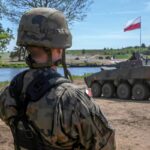
She emphasized that Poland has become an example regarding defense investments and adaptation to new threats. You are considered the frontrunner, not only spending nearly the required 5 percent of GDP on defense, but being mentally better prepared to face Russia than Belgians are.
Here, many people still do not believe Putin could attack NATO, held back by years of Belgian pacifism, the philosopher argued.
Economic Leap and Tourism: Poland Grows Richer, Stronger, and Wiser
Not only ordinary people, but also Belgian businesses look with envy at Poland’s dynamically developing economy. Belgians cannot believe a country that recently underwent a transformation made such a leap, and they see Poland growing richer, stronger, and wiser year by year.
Gęścińska noted that Belgians returning from vacations or city tours in Poland cannot get over their astonishment, wondering how it was possible they did not know it was such a country with beautiful mountains, lakes, forests, improved infrastructure, excellent hotels, and tasty cuisine.
The writer stated that Belgians discover Poland as if it were a well-kept secret, representing a shock for many who until recently viewed the country as a poor relative of the West.
Recognizable Figures and Growing Interest in Polish Literature
The writer pointed out that the most recognizable Pole in Belgium remains Robert Lewandowski, while Donald Tusk is also recognized due to his tenure as President of the European Council.
Addressing Polish culture, Gęścińska emphasized that interest in it is growing in Belgium, with Olga Tokarczuk being known and valued among cultural figures, aided significantly by her Nobel Prize in Literature.
The head of the Flanders PEN Club acknowledged that although many more Polish authors are translated into French, several titles appear translated into Dutch every year, citing Małgorzata Lebda’s Łakome, Szczepan Twardoch’s Król, Królestwo, and Pokora, alongside anticipated translations.
Who Is Alicja Gęścińska? Academic Path and Literary Successes
Born in Warsaw, Alicja Gęścińska emigrated with her family to Belgium at age 7, settling in Lede in East Flanders, where she learned Dutch.
She graduated in ethics from Ghent University in 2007, spent years writing essays and columns for the Dutch daily Trouw, and taught philosophy at Amherst College in Massachusetts before hosting the cultural television program Wanderlust on Canvas, interviewing figures such as Roger Scruton and Krzysztof Zanussi.
In 2026, she received the prestigious Socratesbeker award for her book Vrouwen in duistere tijden (Women in Dark Times).
**Sources:**