




Looted World War II Artifacts Return to Warsaw After Nearly 80 Years
Unique exhibits from Warsaw’s pre-war Museum of Communication, looted by the German occupier during World War II, have returned to the Station Museum after nearly 80 years. Return of the Looted...
Unique exhibits from Warsaw’s pre-war Museum of Communication, looted by the German occupier during World War II, have returned to the Station Museum after nearly 80 years.
Table Of Content
Return of the Looted Artifacts to Warsaw
A momentous day for Warsaw and Poland’s national heritage as unique exhibits from the pre-war Museum of Communication return to the Station Museum after nearly 80 years. Thanks to the determination of Polish museum professionals and the Department of Cultural Heritage Restitution, remarkable monuments—including a working model of a steam engine and a unique locomotive model by engineer Kazimierz Zembrzycki—are once again available to visitors.
Deputy Minister of Culture and National Heritage Maciej Wróbel stated that the ministry currently has over 200 restitution cases across more than 20 countries. Since 2008, Poland has recovered over 900 works of art, including more than 30 this year. The recovered items were discovered on a German website in 2024 by staff from the Department of Cultural Heritage.
Exhibition Details and Historical Significance
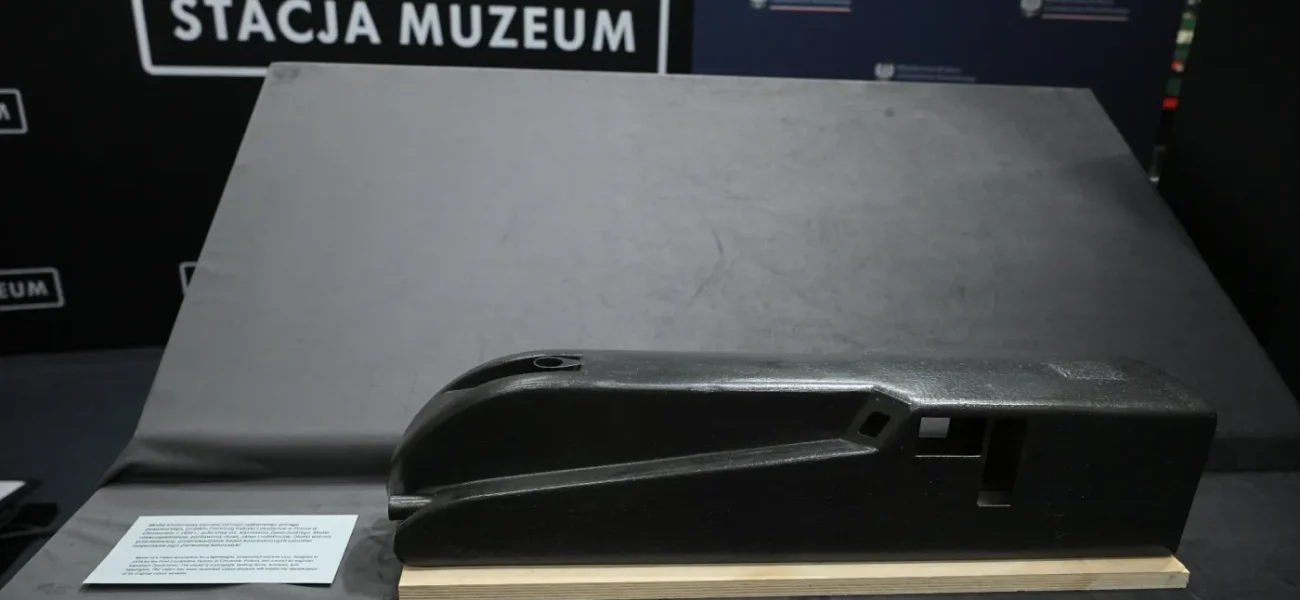
Sebastian Rakowski, head of the exhibition and temporary displays department at the Station Museum, noted that the returned items include exhibits, fragments, and traces of artifacts, such as a preserved wooden-steel bridge model that requires restoration. The museum decided to retain the German museum labels as an integral part of the artifacts’ history.
The exhibits include a working steam engine model and a light, streamlined express train locomotive model designed by engineer Kazimierz Zembrzycki. Rakowski explained that the artifacts were systematically looted by the German occupier starting in 1940 and taken to the Museum of Transport and Construction in Hamburg, Berlin, where some survived Allied bombings while others were destroyed.
Wartime History and Custodian Władysław Woydyno
During the outbreak of World War II, custodian Władysław Woydyno worked to safeguard the museum’s collections, altering inventory books to conceal the most valuable pieces. Despite these efforts, the museum was methodically looted, and the artifacts were dispersed to various museums and railway schools without clear tracking records due to the loss of Polish markings.
The pre-war Railway Museum opened on December 13, 1931, in a former tsarist bathhouse building and was transformed into the Museum of Communication in late 1938, housing over 4,000 exhibits. In 1940, the collections were moved to Targowa Street and later to the Warszawa Wileńska station, where an 1943 Soviet air raid completely destroyed the eight-year history of the museum.